
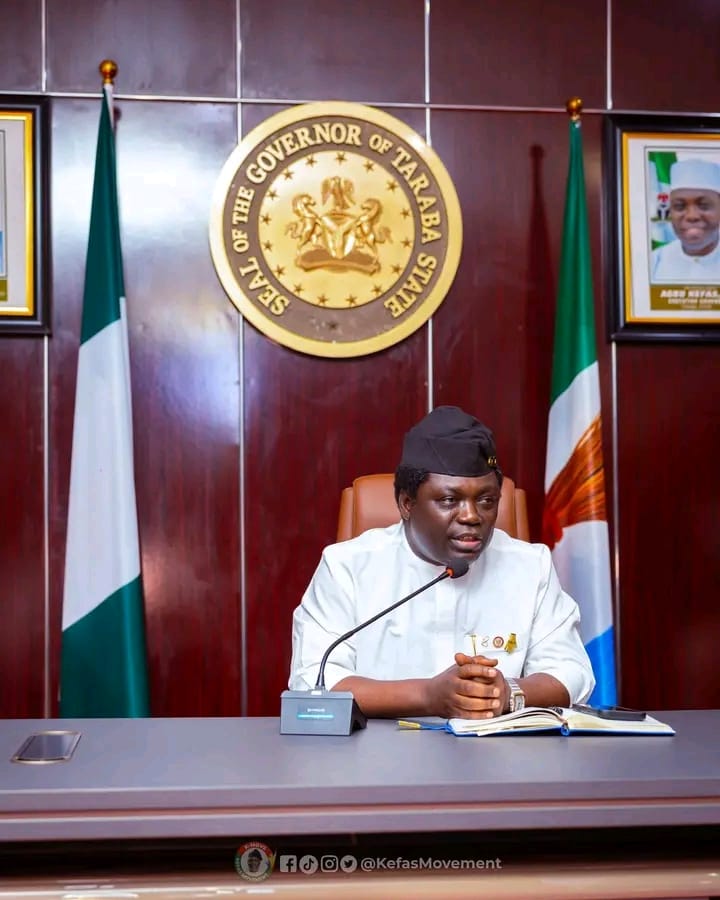
2027: STOP COMPLAINING, TELL TARABANS WHAT YOU WILL DO DIFFERENTLY — KEFAS SPOKESMAN TELLS OPPOSITION
Bello challenges PDP, APGA candidates to move from criticism to sector-by-sector alternatives as debt, ₦80bn Wukari flyover dominate political debate
By Taraba News
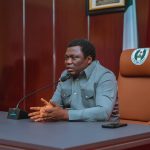
As political debate intensifies ahead of the 2027 governorship election in Taraba State, spokesman to Governor Agbu Kefas and the Governor’s re-election campaign, Emmanuel Bello, has challenged opposition parties to move beyond persistent criticism of the administration and begin telling Tarabans what they would do differently if elected.
Bello said the opposition cannot expect to win an election merely by attacking the incumbent, arguing that candidates seeking to replace Governor Kefas must present clear alternatives across critical sectors of the state.
“Taraba opposition parties are still complaining instead of campaigning. Take each sector and tell the Taraba people what you will do differently. You can’t win by always whining,” Bello said.
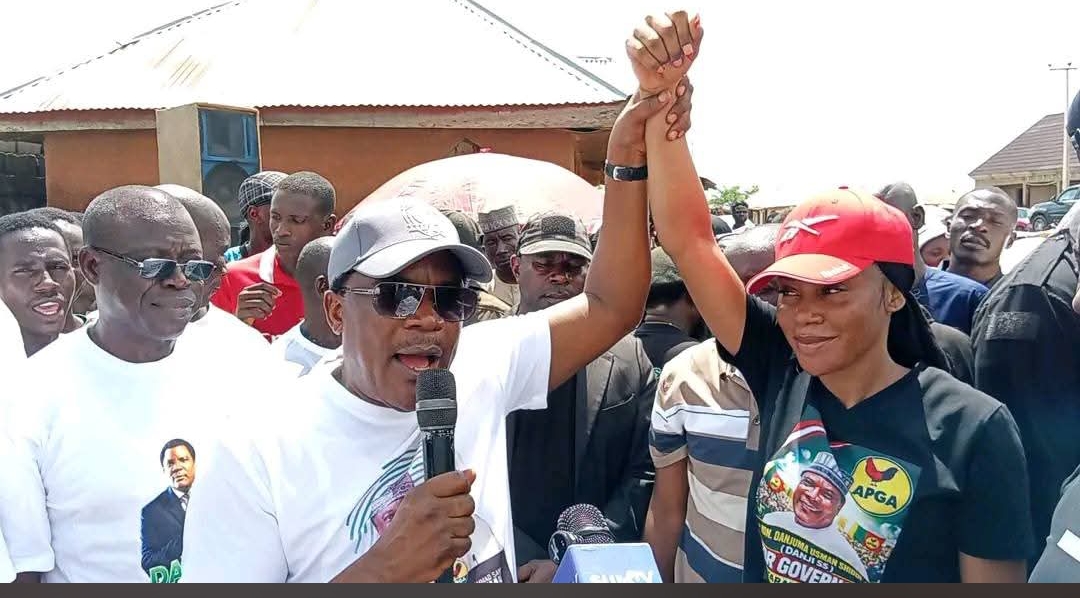
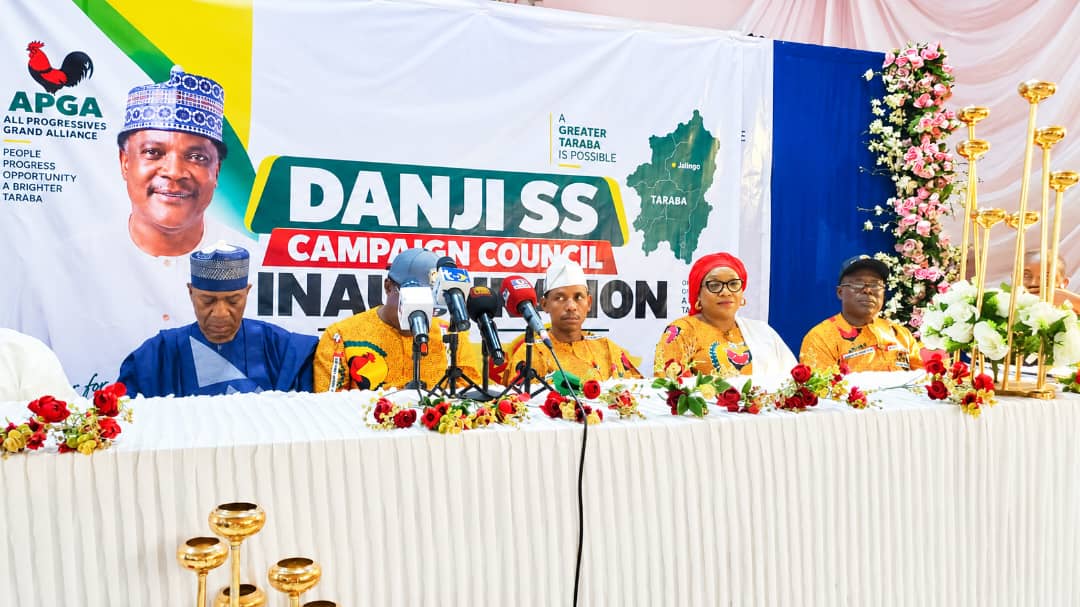
His intervention comes against the backdrop of increasing attacks on the Kefas administration by leading opposition candidates, particularly the Peoples Democratic Party governorship candidate, Senator Emmanuel Bwacha, and the All Progressives Grand Alliance candidate, Hon. Danjuma Usman Shiddi, popularly known as Danji SS.
DEBT BECOMES MAJOR 2027 CAMPAIGN ISSUE
One of the biggest points of disagreement is Taraba State’s debt profile.
Bwacha has repeatedly questioned the financial decisions of the Kefas administration and recently presented figures putting the state’s broader financial exposure at about ₦911.07 billion.
The controversy follows an earlier claim that Taraba’s debt burden had crossed ₦1.2 trillion — a figure strongly rejected by the state government.
The government, through Commissioner for Finance, Budget and Economy, Dr. Sarah Enoch Adi, has maintained that the latest Debt Management Office figure it cited puts Taraba’s domestic debt at approximately ₦85.51 billion as of December 31, 2025.
Government officials argue that the opposition is adding approved borrowing facilities and other financing arrangements to outstanding debt, even where the entire facilities may not have been drawn down.
The disagreement has consequently turned the state’s finances into one of the major battlegrounds of the emerging 2027 campaign.
₦80BN WUKARI FLYOVER ADDS TO POLITICAL HEAT
The proposed ₦80 billion Wukari flyover has equally become a major campaign issue.
Both Bwacha and Shiddi have questioned the project’s cost, priority and economic justification.
Shiddi has argued that Taraba has more immediate infrastructure and social needs, including rural and inter-city roads, bridges, healthcare facilities, potable water and education.
The APGA candidate has specifically argued that significant resources could instead be directed towards critical roads and bridges and improved healthcare infrastructure.
Bwacha has similarly questioned whether the proposed flyover represents value for money at a time when several communities are demanding improvements in basic infrastructure.
The Kefas administration, however, has defended the project as part of a longer-term development strategy for Wukari, arguing that infrastructure planning should anticipate future population, commercial activity and urban expansion rather than respond only to today’s challenges.
BELLO: MOVE FROM CRITICISM TO ALTERNATIVES
It is against this increasingly combative political atmosphere that Bello is asking the opposition to change the nature of the debate.
His position is that questioning government decisions is legitimate, but opposition candidates seeking the governorship should go further by presenting alternative programmes that voters can evaluate against the record and proposals of the incumbent.
Rather than making the election solely a referendum on Kefas, Bello wants the opposition to explain what a PDP or APGA administration would actually look like.
On education, he argues, they should tell Tarabans what they would change.
On healthcare, they should explain their alternative policy and how it would be funded.
On roads and infrastructure, they should identify their priorities.
On agriculture, youth employment, security, water supply, local government development, investment and internally generated revenue, Bello wants each candidate to present measurable proposals.
And on the controversial debt question, the opposition would have to explain not only why it opposes the government’s borrowing decisions but how it intends to finance its own development promises.
The challenge effectively seeks to shift the emerging campaign from “what Kefas has done wrong” to “what would you do differently?”
2027 MAY BECOME A CONTEST OF RECORDS AND ALTERNATIVES
With the election drawing closer, however, criticism of the incumbent is unlikely to disappear.
Opposition parties traditionally campaign partly by scrutinising the record of the government they seek to replace, while an incumbent administration must defend its performance and convince voters that it deserves another term.
The more substantive contest may therefore be whether the opposition can combine its criticism with credible alternatives — and whether the Kefas administration can answer the questions being raised about its record with verifiable results.
The debt controversy, the Wukari flyover, roads, healthcare, education, water, agriculture, security and employment are increasingly becoming issues on which that contest will be fought.
Bello’s challenge has therefore introduced another dimension to Taraba’s emerging 2027 political conversation:
If the opposition believes Governor Kefas is getting it wrong, what exactly will it do differently?
For Taraba voters, the answer may ultimately determine whether the 2027 election becomes merely a contest of accusations and counter-accusations or a genuine competition of ideas, records and alternative development programmes.The background is consistent with the current public dispute: Bwacha has challenged the government’s debt figures, while the government cites a DMO domestic-debt figure of about ₦85.51bn; Shiddi and other opposition figures have also questioned the priority and estimated ₦80bn cost of the Wukari flyover.