




By Bwacha Echo Media
JALINGO, TARABA STATE — As political activities gather momentum ahead of the 2027 governorship election, Bwacha Echo Media has declared that Taraba State needs a prepared, experienced and visionary leader who understands the state’s historical challenges and possesses the capacity to provide purposeful leadership.
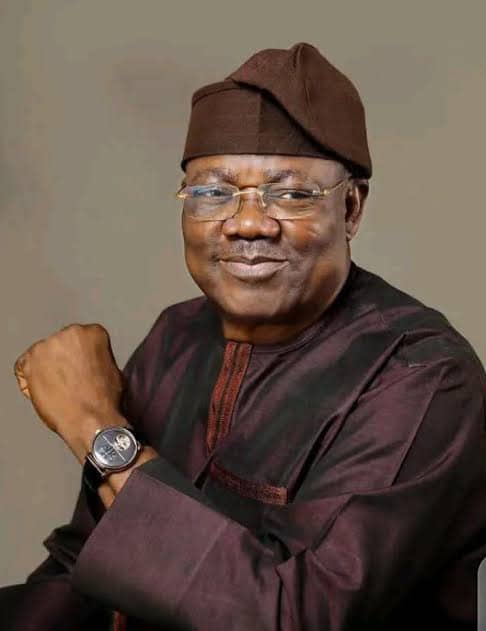
The group made its position known through one of its leaders, Disebe Bala Donga, popularly known as Shakatawa, who argued that Senator Emmanuel Bwacha’s decades of involvement in state and national politics distinguish him as a contender with substantial experience in governance and public administration.
The position comes amid growing political discussions about the emergence of successive governors in Taraba State since 1999, with some commentators describing previous administrations as products of unexpected political developments rather than carefully anticipated successions.
For Bwacha Echo Media, the central question is whether Taraba should continue to experience unexpected political outcomes or choose a leader whose political journey has provided him with years of preparation, grassroots engagement and exposure to the workings of government.
The group maintains that Senator Bwacha represents the case for experience, political maturity and a deeper understanding of the state’s needs.
FROM THE TARABA STATE HOUSE OF ASSEMBLY TO THE NATIONAL ASSEMBLY
According to the group, one of the strongest arguments for Bwacha’s preparedness is his long and varied political career, which has taken him through different levels of government.
Bwacha began his legislative journey as a member of the Taraba State House of Assembly before serving as a commissioner during the administration of former Governor Jolly Nyame.
His experience in the state executive arm gave him exposure to the workings of government at the state level, including policy implementation, administrative responsibilities and the challenges associated with delivering public services.
He subsequently moved to the federal legislature, serving as a member of the House of Representatives before proceeding to the Senate, where he represented Taraba South for two terms.
During his time in the Senate, Bwacha also served as Deputy Senate Minority Leader, a leadership position that further exposed him to national political negotiations, legislative coordination and the broader processes of federal policymaking.
Bwacha Echo Media argues that this progression through the State House of Assembly, the state executive arm, the House of Representatives and the Senate demonstrates a political career built over time rather than one that emerged unexpectedly shortly before a governorship election.
The group believes that such experience provides a valuable foundation for understanding the responsibilities of a state governor.
A POLITICAL JOURNEY SPANNING SUCCESSIVE ADMINISTRATIONS
Another point highlighted by the group is Bwacha’s longstanding presence in Taraba’s political landscape.
Since 1999, he has participated in the state’s political development from different positions, witnessing changes in administration, political alignments and the evolving demands of governance.
His years in public service have afforded him opportunities to observe the challenges faced by successive governments and the difficulties involved in translating government policies into tangible benefits for citizens.
According to Bwacha Echo Media, this historical perspective is important because many of Taraba’s development challenges require sustained planning, institutional continuity and policies that go beyond individual administrations.
The state continues to contend with concerns relating to insecurity, rural infrastructure, unemployment, agricultural productivity, healthcare delivery, education and economic opportunities for young people.
Across its 16 local government areas, communities have different development priorities, making it necessary for any incoming administration to understand local conditions and pursue policies that promote balanced development.
The group maintains that a governor who has spent years participating in the state’s political process may be better positioned to appreciate these challenges and develop practical responses.
GRASSROOTS CONNECTIONS AND UNDERSTANDING OF THE PEOPLE
For Bwacha Echo Media, leadership is not measured only by political offices occupied or relationships maintained at the national level. It must also be demonstrated through an understanding of the everyday concerns of the people.
Taraba is home to diverse communities whose needs range from improved rural roads and access to markets to better schools, healthcare facilities, security and employment opportunities.
Farmers require infrastructure that allows them to transport produce to markets. Young people need opportunities to acquire skills, establish businesses and secure meaningful employment. Communities affected by insecurity require effective protection and sustainable recovery programmes.
The group believes that Bwacha’s political journey has provided him with opportunities to engage with people at different levels and observe the institutional processes through which their concerns are addressed.
It argues that this breadth of exposure could be valuable in designing policies that respond to the needs of both urban and rural communities.
For the group, Taraba needs a leader who understands that development must reach every part of the state and that public policies must be informed by the realities of ordinary citizens.
WHY PREPARATION MATTERS IN 2027
The debate over what some commentators describe as “accidental governors” raises a broader question about political leadership in Taraba: should the state depend primarily on unexpected political developments, or should voters give greater consideration to candidates whose experience and preparation can be assessed before they assume office?
Bwacha Echo Media argues that the 2027 election presents an opportunity for Tarabans to examine the experience, competence, integrity and policy direction of every governorship contender.
The group believes that a candidate with extensive experience in legislative and executive institutions may have an advantage in understanding government procedures, managing relationships between institutions and identifying practical ways to address longstanding challenges.
However, the group also acknowledges that experience must ultimately be judged by the quality of leadership it produces.
Years in public office alone cannot guarantee success. What matters is the ability to translate experience into effective policies, responsible management of public resources, improved security, economic growth and better living conditions for citizens.
For Senator Bwacha, the expectation is that his political experience should provide the foundation for a clear and measurable development agenda for Taraba State.
THE CHALLENGES TARABA NEEDS ITS NEXT GOVERNOR TO ADDRESS
As the 2027 election approaches, the group believes that serious attention must be given to the issues that directly affect the lives of Tarabans.
Security: The next administration must prioritise the protection of lives and property, strengthen collaboration with security agencies and pursue sustainable peace in communities affected by violence.
Infrastructure: Rural and urban roads, electricity, water supply and other essential facilities require strategic investment to improve living conditions and support economic activity.
Agriculture: Given Taraba’s agricultural potential, the state needs policies that improve access to farming inputs, mechanisation, storage facilities, processing and markets.
Education and skills development: Investment in schools, technical education and vocational training is essential to equip young people with the skills required for employment, entrepreneurship and innovation.
Healthcare: Improved access to quality healthcare, stronger primary health services and better-equipped facilities should remain priorities.
Youth empowerment and job creation: The next administration must develop sustainable opportunities for young people through enterprise support, skills acquisition, private-sector investment and an enabling business environment.
Inclusive development: Every local government area should benefit from a fair and transparent approach to project distribution, public investment and service delivery.
Bwacha Echo Media maintains that addressing these challenges requires a leader who understands the state, appreciates the limitations of previous approaches and is prepared to pursue practical solutions.
EXPERIENCE MUST BE MATCHED WITH ACCOUNTABILITY
While the group makes a strong case for Bwacha’s preparedness, it maintains that the ultimate test of leadership is performance.
Tarabans deserve a candidate who can explain how his experience will translate into measurable results, identify realistic priorities and commit to transparent management of public resources.
They deserve a government that sets clear targets, monitors projects, evaluates outcomes and remains accountable to the people.
The 2027 governorship contest should therefore be about more than political slogans, personalities or party affiliations. It should provide an opportunity for candidates to present credible plans for security, infrastructure, education, agriculture, healthcare and economic development.
For Bwacha Echo Media, Bwacha’s long political journey makes him a serious contender whose experience deserves consideration in the search for Taraba’s next governor.
BWACHA: A PREPARED VESSEL FOR TARABA’S FUTURE
The group argues that Senator Emmanuel Bwacha’s political journey, from the Taraba State House of Assembly to the state executive arm and the National Assembly, distinguishes him as a politician who has experienced government from several perspectives.
His service as a commissioner, member of the House of Representatives and two-term senator has exposed him to different aspects of public administration, legislative processes and national politics.
These experiences, according to the group, provide a foundation upon which he can build a comprehensive programme for the development of Taraba State.
As one of its leaders, Disebe Bala Donga, popularly known as Shakatawa, advances the group’s position, Bwacha Echo Media is urging Tarabans to consider the importance of preparedness, experience and a clear understanding of the state’s challenges as they assess candidates ahead of 2027.
The group believes that Taraba needs leadership capable of combining political experience with integrity, competence, accountability and a practical vision for inclusive development.
Ultimately, the people will determine their preferred candidate through the democratic process. Every contender must be assessed on the strength of their record, character, policies and capacity to deliver.
But for Bwacha Echo Media, the message is clear: Taraba does not merely need someone who wants to become governor; it needs someone whose years of public service have prepared him for the responsibility.
As the state approaches another defining political moment, the group believes that Senator Emmanuel Bwacha’s experience and longstanding involvement in Taraba politics make him a candidate worthy of serious consideration.
The 2027 choice should be about preparedness over surprise, experience over improvisation, and a clear vision for Taraba’s future.