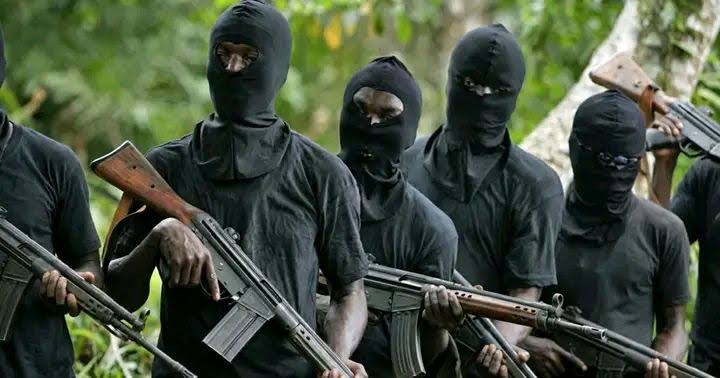










How many more lives must be lost before security becomes a reality rather than a recurring campaign promise in Taraba State?
The reported massacre in Binnari community, Karim Lamido Local Government Area, is another painful reminder that insecurity remains one of Taraba State’s most persistent and troubling challenges. With the police confirming the recovery of 10 bodies and the Danji SS Campaign Council reportedly putting the death toll at 26, the tragedy demands more than expressions of sympathy, condemnation and promises of decisive action. It demands results.
Governor Agbu Kefas has reportedly ordered a manhunt for those responsible, while Senator Emmanuel Bwacha has extended condolences to the bereaved families. The Danji SS Campaign Council has also called for urgent security intervention, justice, and a permanent deployment of security personnel. These responses are necessary, but they raise a question that the people of Karim Lamido and other violence-affected communities have every right to ask: Why do such killings continue, and for how much longer must the people endure them?
The recurrence of deadly attacks suggests that the existing security arrangements have not adequately addressed the threats confronting vulnerable communities. Each new massacre attracts official statements, security assurances, and renewed appeals for calm. Yet, when another attack occurs, the cycle begins again. Communities mourn, families search for missing relatives, survivors flee their homes, and livelihoods are destroyed.

This is no way for citizens to live. Nor should it be accepted as an unavoidable feature of life in Taraba State.
As the 2027 general elections approach, political stakeholders will increasingly seek public support through promises of peace, development, and improved security. But the people of Karim Lamido deserve to know what these promises mean in practical terms. Security cannot be reduced to campaign rhetoric or measured by the number of condolence messages issued after a massacre. Its real test is whether citizens can sleep in their homes, travel safely, cultivate their farms, and conduct their businesses without fear of attack.
Political leaders must therefore demonstrate that their concern extends beyond public appearances and carefully worded statements. The government must explain what measures are being taken to prevent further attacks, identify security gaps, and ensure that those responsible for the killings are brought to justice. Where intelligence failures or inadequate deployments are identified, corrective action must follow.
The police and other security agencies must intensify intelligence gathering, strengthen early-warning mechanisms, and coordinate rapid responses to credible threats. Security deployments should be based on assessed risks and sustained for as long as necessary, rather than announced in the immediate aftermath of an attack and forgotten when public attention shifts elsewhere.
Equally important is accountability. Investigations must be thorough, impartial, and transparent enough to reassure affected communities that justice is being pursued. Perpetrators must face the law, regardless of their identity or connections. At the same time, authorities must address the underlying tensions that fuel recurring violence and work with traditional rulers, community leaders and other stakeholders to prevent further bloodshed.
The reported discrepancy between the police-confirmed death toll and the figure cited by the Danji SS Campaign Council also underscores the need for accurate, timely, and consistent public information. Families deserve reliable information about their loved ones, while the public deserves an honest account of the tragedy and the response to it.
Above all, the people of Karim Lamido must not be abandoned to a cycle of violence, mourning, and unfulfilled assurances. Every life lost represents a family shattered and a community deprived of its sense of security. No political ambition, electoral calculation, or administrative inconvenience should outweigh the state’s responsibility to protect its citizens.
The people of Taraba State have heard enough promises. They need protection. They have witnessed enough mourning. They need justice. And they have endured enough fear. They need lasting peace.
Governor Kefas and other political stakeholders must recognise that their response to the Binnari massacre will be judged not merely by the strength of their condemnations but by the effectiveness of the actions that follow. The same applies to elected representatives, security commanders and all public officials entrusted with the safety of the people.
As the countdown to 2027 continues, one question must remain before every leader seeking public confidence: what concrete steps have been taken to ensure that another community does not suffer the same fate?
Until that question receives a convincing answer backed by measurable action, the people of Karim Lamido will continue to ask the question that has become painfully familiar across violence-affected communities: These killings, for how long?