




By Iranyang Daniel
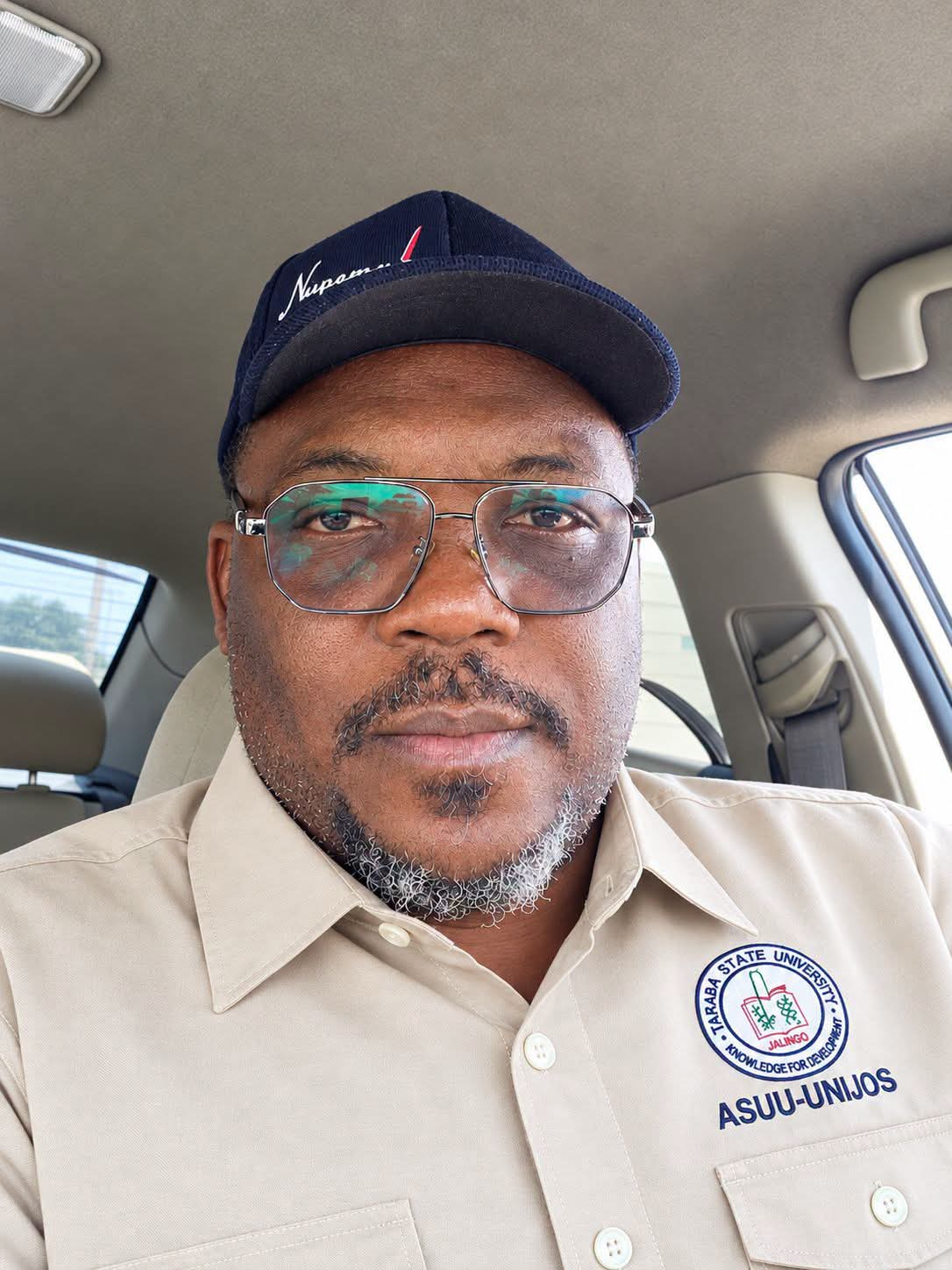
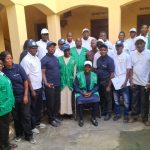
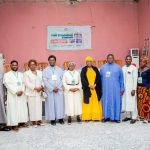
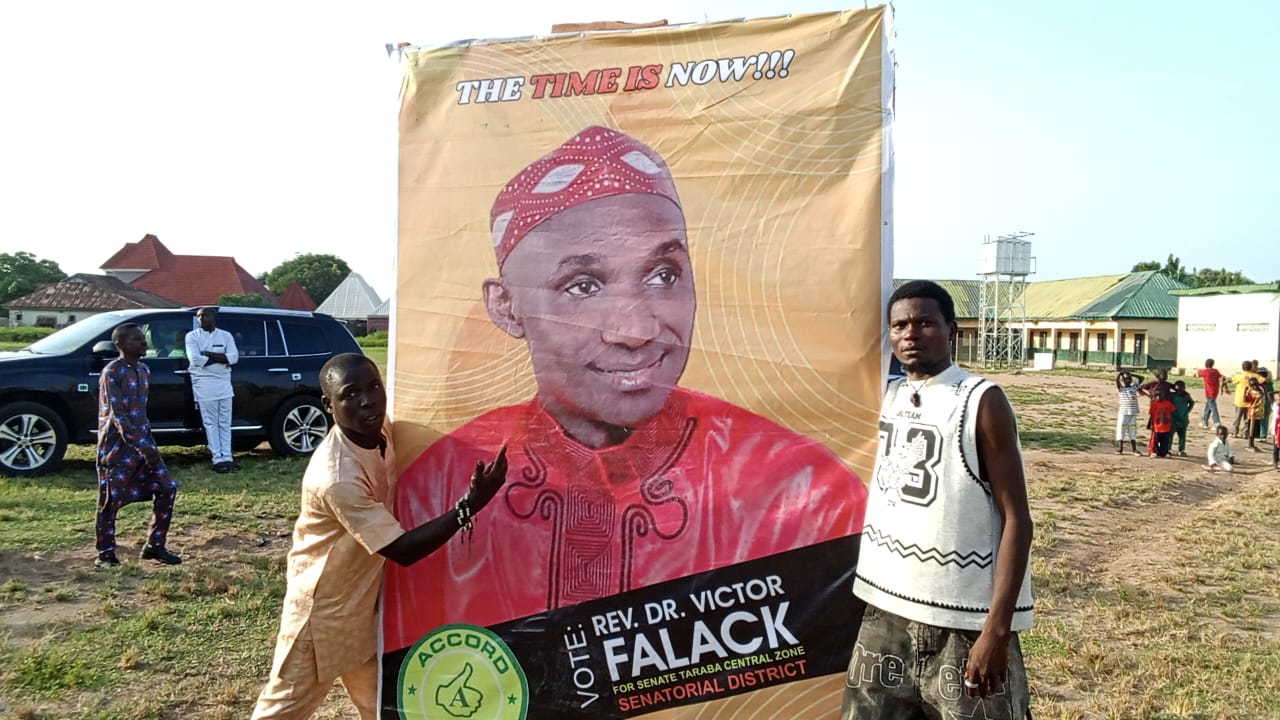
During his campaign tour of Mutum Biyu, Namnai and Shira wards, Dr Victor Falack criticised what he described as a culture of political promises and election-season handouts, challenging political office holders to demonstrate what they have done for the people.
In what appeared to be a subtle but pointed reference to the current representation of Taraba Central in the Senate, Falack urged voters to demand evidence of performance from anyone seeking their mandate rather than being swayed by campaign money and political promises.
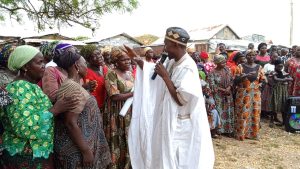
He argued that politicians who have failed to make meaningful contributions to their communities should not wait until election season to distribute money in exchange for votes.
He challenged political aspirants to answer three fundamental questions: What have you done for the people? What have you done for the poor? What can you point to as your contribution to the development of your community?
Falack also questioned the justification for seeking higher political office when individuals who had previously occupied positions of responsibility could not readily identify their contributions to their immediate communities.
Making a case for his own approach to leadership, the aspirant highlighted his record of helping young people secure employment, pay school fees and access opportunities, including those with whom he shares neither family nor ethnic ties.
He noted that some of the young people he had supported had gone on to become professionals, including engineers, stressing that genuine service should not be restricted by family, ethnic or political affiliations.
On the responsibilities of wealth and leadership, Falack argued that accumulating riches without extending a helping hand to the poor amounts to leaving behind possessions that cannot accompany anyone to the grave.
He cautioned voters against allowing politicians to purchase their conscience during elections, insisting that political mandates should be earned through years of service rather than the amount of money distributed during campaigns.
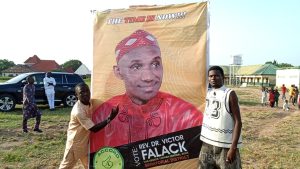
Falack further declared that he would not allow thirty years of preaching, service and community engagement to be compromised by the pursuit of a four-year political ambition, maintaining that he was already blessed and was not desperately seeking political office.
He also expressed concern over what he described as persistent complaints and political dissatisfaction in Taraba Central, calling for greater attention to accountability and meaningful development.
Through his engagements in the area, Falack is presenting his political aspiration around community service, youth empowerment, support for the less privileged and accountable leadership, while challenging those seeking the people’s mandate to make their records available for public scrutiny.
His message leaves the electorate with a fundamental question: Beyond campaign promises and election-day handouts, what has your representative actually done for you?