




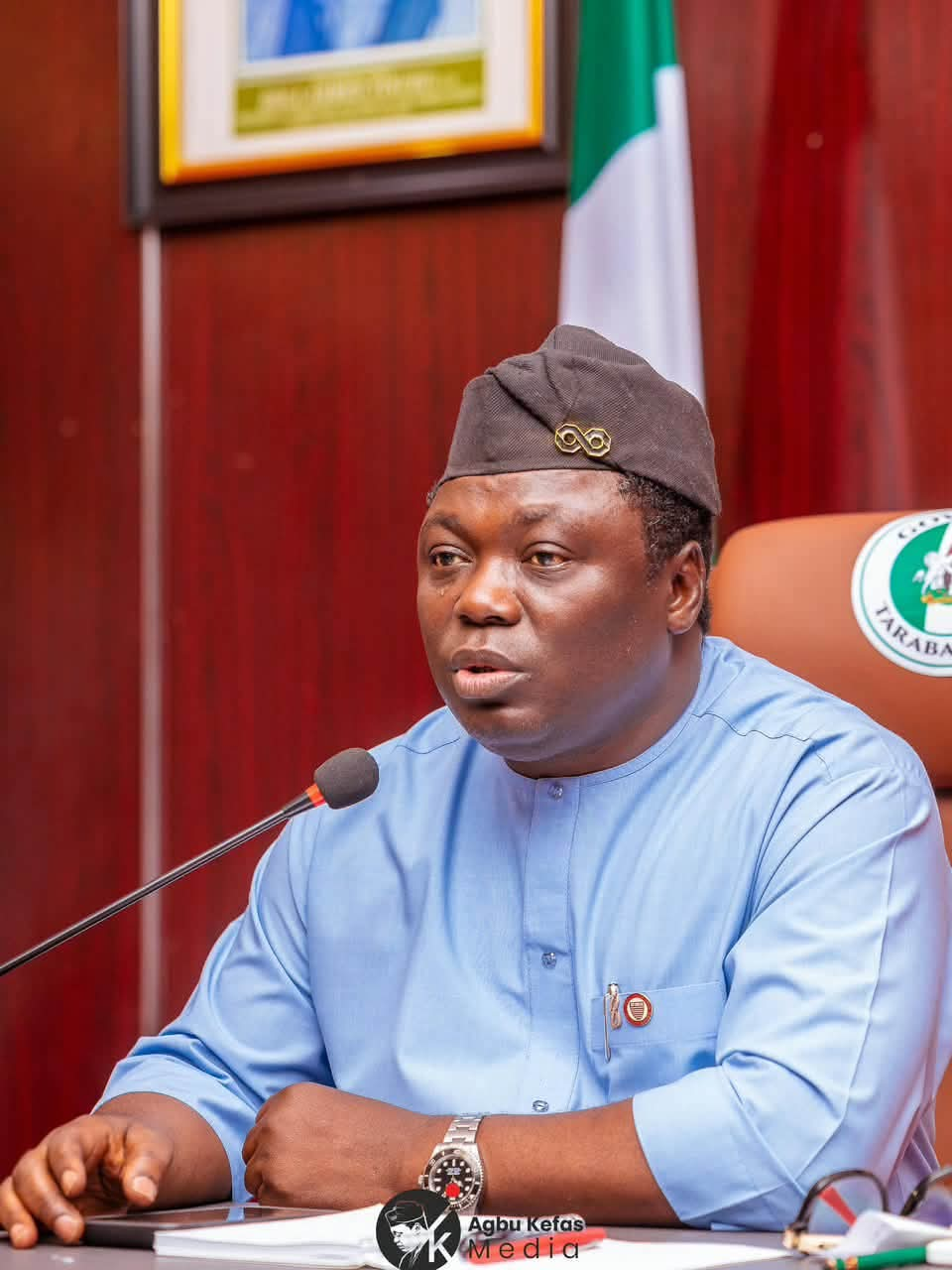
The General’s Boy Card May Not Save Him This Time as He Struggles to Break the Jinx of Underperformance After Darius Ishaku
Could become the first incumbent governor in Taraba to lose a second-term bid
By Tom Garba
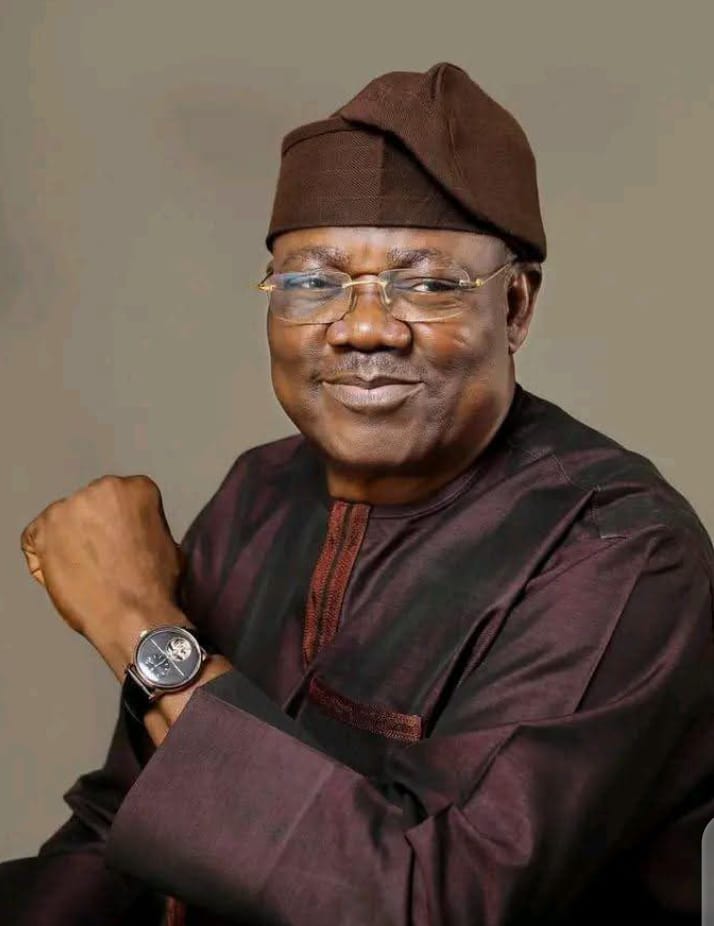
As the 2027 general elections draw closer, one question increasingly dominates political discussions in Taraba State: Can Governor Agbu Kefas overcome growing dissatisfaction with his administration’s performance to secure re-election?
For a growing section of the electorate, the answer appears increasingly uncertain.
Despite his relatively young age and the high expectations that greeted his emergence as a retired senior military officer, widely perceived to possess the discipline, agility and capacity to transform governance, Governor Kefas has faced mounting criticism over what opponents describe as poor performance and inadequate people-oriented policies.
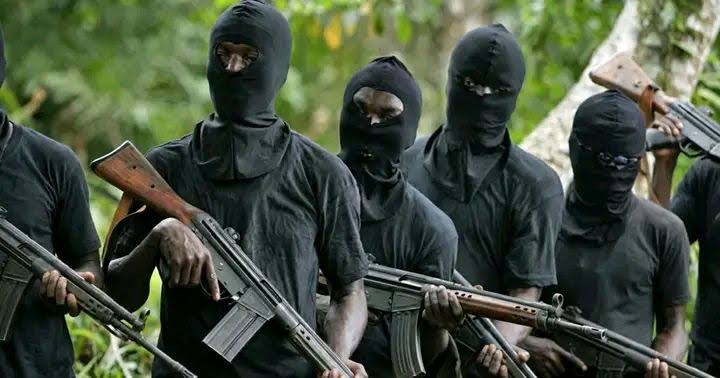
Taraba, like other states in Nigeria’s North-East, continues to grapple with underdevelopment, weak grassroots service delivery, security challenges and deficits in critical sectors such as healthcare, education and infrastructure.
Critics argue that the administration’s performance in these areas has exposed significant leadership gaps. For ordinary residents, the promise of a military-trained governor who would bring discipline, speed and effective service delivery has yet to translate into the level of visible transformation expected in their communities, schools, hospitals and road networks.
Across Jalingo, Wukari, Bali, Takum, Gembu and other parts of the state, dissatisfaction remains a recurring theme in political conversations. Some residents believe the state has yet to experience the significant developmental shift they anticipated.
Many also draw comparisons with the eight-year administration of former Governor Darius Ishaku, which critics equally accused of underperformance. For these voters, the cycle of disappointing governance must end, and they question whether Kefas has done enough to break that pattern.
## TARABA’S UNTAPPED TOURISM POTENTIAL
Taraba remains one of Nigeria’s most naturally endowed tourism destinations, with enormous potential to attract visitors and investors from across the country and beyond.
The Mambilla Plateau, Gembu and other unique natural attractions constitute some of the state’s greatest economic assets.
However, critics argue that Governor Kefas has not sufficiently exploited these opportunities to stimulate tourism, generate employment, attract investment and increase internally generated revenue.
While other states are aggressively marketing their tourism destinations, Taraba’s enormous tourism potential remains largely underdeveloped.
## THE ADAMAWA COMPARISON: A PAINFUL REALITY FOR TARABA
The comparison between Taraba and neighbouring Adamawa State has become increasingly significant in the political conversation.
Governor Ahmadu Umaru Fintiri is often cited by supporters and observers as an example of an administration that has pursued visible infrastructural and institutional development.
His administration has undertaken road construction, flyover projects, the creation of additional Emirates and Chiefdoms, and the development of major facilities, including an international market, an international conference centre and a stadium and sports complex.
Adamawa has also pursued empowerment programmes and other interventions aimed at addressing poverty and improving livelihoods.
These projects have become important reference points in political discussions, with critics questioning why Taraba has not recorded comparable levels of transformation under Kefas.
For the opposition, the comparison presents a powerful political argument ahead of 2027.
## APC INTERNAL DIVISIONS: A POLITICAL LIABILITY?
Another major challenge confronting Governor Kefas is the task of consolidating the APC following his defection from the PDP.
His transition into the ruling party has raised questions about internal cohesion, reconciliation and the management of competing political interests.
Rather than immediately emerging as a unifying figure, critics argue that his entry into the APC has brought additional complications to an already delicate political structure characterised by competing ambitions, longstanding grievances and factional interests.
The opposition is likely to exploit these divisions as the 2027 contest approaches.
Without effective reconciliation and a strong party structure, Kefas could find it difficult to mobilise the political support required to defend his administration.
## EMMANUEL BWACHA: THE BIGGEST POLITICAL THREAT?
Perhaps the most significant challenge to Kefas’s re-election ambition could come from Senator Emmanuel Bwacha of the PDP.
Bwacha is an experienced politician who has served in both chambers of the National Assembly, first as a member of the House of Representatives and later as a senator.
He possesses considerable political experience and established grassroots connections.
Interestingly, both politicians come from Southern Taraba and share Jukun ethnic identity, making the contest particularly significant in the state’s political calculations.
Political observers believe Kefas will have to strengthen his grassroots appeal and political network to withstand the challenge Bwacha could present.
Bwacha understands the political terrain and is positioning himself as an alternative to an administration whose performance has increasingly become a subject of public debate.
THE TY DANJUMA FACTOR: WILL THE GENERAL’S BOY CARD WORK AGAIN?
One political connection often associated with Governor Kefas is his relationship with retired General Theophilus Yakubu Danjuma.
However, analysts argue that the governor’s perceived association with the respected elder statesman may not necessarily guarantee political success in 2027.
Some political observers also point to Senator Emmanuel Bwacha’s relationship with the General and his alleged political affinity with the influential figure.
If both politicians can claim some level of connection to the same respected political elder, then the contest may ultimately be determined by electoral performance, grassroots acceptance and the ability to mobilise voters rather than political endorsements or perceived godfather influence.
In that regard, Kefas faces the challenge of convincing the electorate that his administration deserves another mandate.
## A MULTI-PARTY CONTEST AND AN INCREASINGLY DEMANDING ELECTORATE
The governor’s political challenge is not limited to the PDP or Senator Bwacha.
Other political parties and their candidates are also positioning themselves for the 2027 governorship election.
This means Kefas cannot afford to underestimate the opposition or assume that incumbency alone will guarantee victory.
He faces a combination of internal party disagreements, opposition mobilisation, competing political ambitions and growing public expectations.
Ultimately, the electorate will determine his political future through the ballot.
The governor must therefore do more to strengthen his political strategy, consult widely, reconcile aggrieved stakeholders and demonstrate measurable progress across critical sectors.
## 2027: A REFERENDUM ON GOVERNANCE?
For Governor Kefas to improve his chances of securing a second term, he must urgently demonstrate visible progress in road infrastructure, healthcare, education, security, employment and economic empowerment.
He must also unite the APC, rebuild confidence among aggrieved stakeholders, harness Taraba’s tourism potential and reconnect with communities across the state.
Otherwise, the 2027 governorship election could become more than an ordinary contest for political power. It could turn into a referendum on his administration’s performance.
The central argument driving the opposition’s campaign against Kefas is the allegation of underperformance.
Until the governor changes that narrative through concrete achievements and demonstrable improvements in the lives of ordinary citizens, his ambition for a second term will remain under considerable political pressure.
Tom Garba, ANIPR, FSPSP, is a policy and political analyst. He writes from Jimeta, Yola, Adamawa State.