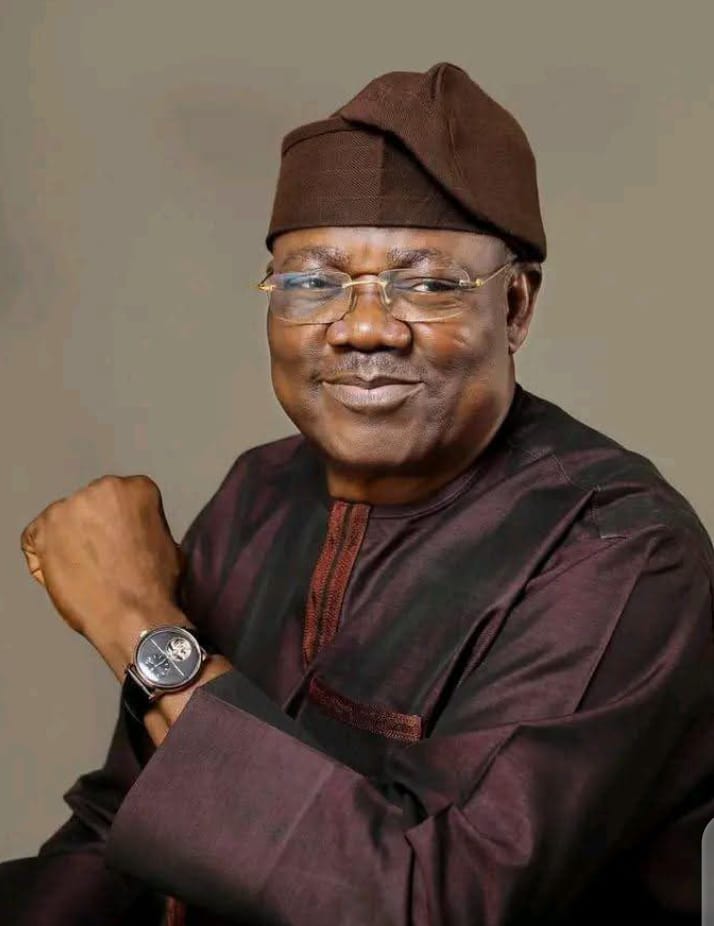









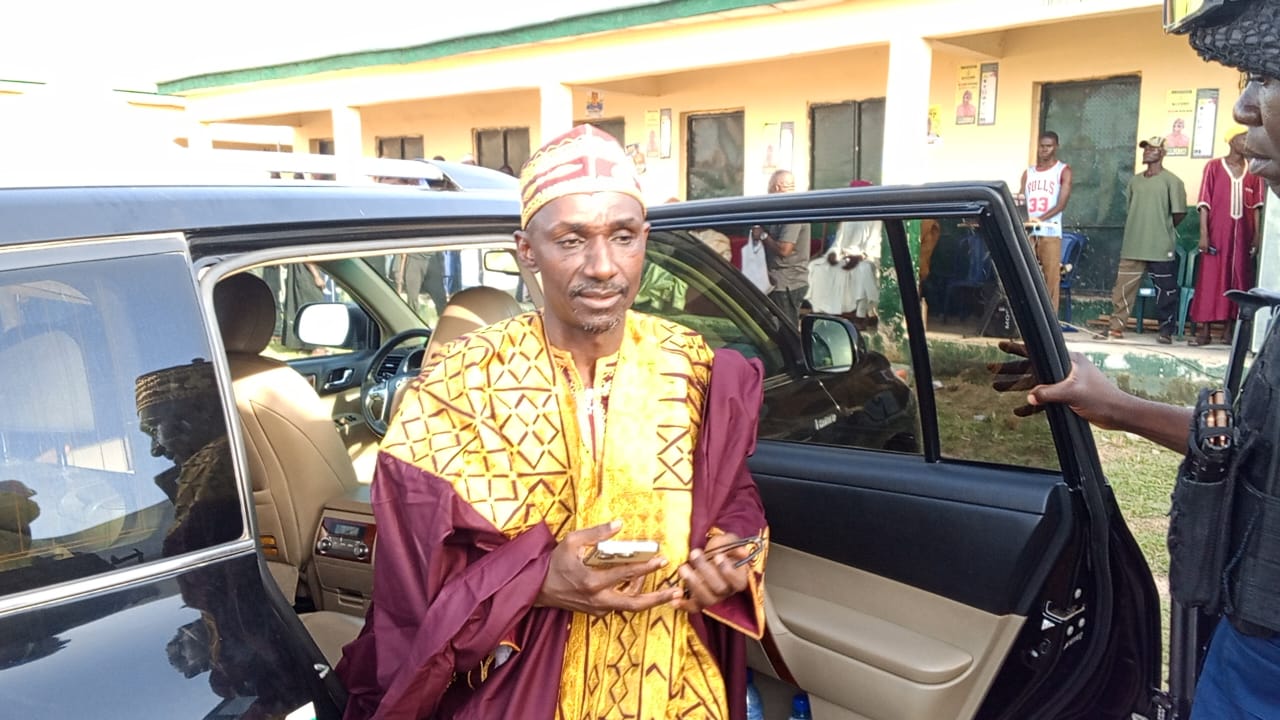
Dr. Victor Falack, the Accord Party candidate for Taraba Central Senatorial District in the 2027 general elections, has questioned the development impact of Senator Haruna Manu’s long years in public office, insisting that political experience should be measured by tangible improvements in the lives of the people rather than the number of years spent around the corridors of power.

Falack, who made the position known while outlining his vision for Taraba Central, said the people of Gassol, Bali, Kurmi, Gashaka and Sardauna deserve more than political longevity as a justification for another electoral mandate.
He noted that Senator Manu’s political career, which includes four years in the House of Representatives, eight years as Deputy Governor of Taraba State and nearly four years in the Senate, represents considerable political experience.
However, he argued that such experience should translate into visible development, improved infrastructure, employment opportunities, better healthcare, quality education and sustainable economic empowerment for the people.
According to Falack, political experience should serve as an instrument for delivering development and not merely become a campaign argument for securing another term in office.
He challenged the incumbent’s supporters to move beyond highlighting his years in government and provide a comprehensive account of the lasting impact of his representation on the five local government areas of Taraba Central.
While acknowledging reported constituency interventions by Senator Manu, including the distribution of laptops, transformers, medical equipment and empowerment materials, as well as legislative initiatives concerning the proposed Federal Medical Centre in Gembu and a university in Mutum-Biyu, Falack maintained that such interventions should be assessed based on their functionality, reach and long-term benefits.
He argued that constituents have the right to know the number of projects completed, their locations, costs, current status and the extent to which they have improved the standard of living.
### FALACK VAMP REFERENCES JIMKUTA’S FIRST-TERM INTERVENTIONS
To further support their argument that political experience should not be the exclusive measure of effective representation, Falack camp pointed to the activities of Senator David Jimkuta of Taraba South, who was elected to the Senate in 2023.
He referenced reported interventions by Jimkuta, including scholarships for 40 young people pursuing medical and engineering studies in India, constituency empowerment initiatives and legislative efforts towards establishing a Federal University in Wukari.
Falack camp argued that such initiatives demonstrate that meaningful contributions to constituency development do not necessarily require decades in elective political office.
They maintained that what matters most is the ability and willingness of a representative to identify the needs of the people and pursue practical solutions within the available resources and constitutional responsibilities.
### FALACK OUTLINES PROFESSIONAL BACKGROUND AND EXPERIENCE
Presenting his credentials, the Accord Party candidate highlighted his background as a former Bursar of Taraba State University, a retired civil servant and a professional with experience in accountancy, taxation and economics.
He said his years in university administration and financial management have equipped him with an understanding of institutional management, resource allocation, financial discipline and accountability.
Falack also referenced his academic research into the relationship between taxation and economic growth in Taraba State, describing economic development and responsible management of public resources as important considerations in effective representation.
Beyond his professional experience, he highlighted his humanitarian engagements, particularly support for students, vulnerable individuals and less privileged members of society.
He maintained that commitment to the welfare of the people should not begin only when politicians seek elective offices, stressing the importance of consistent engagement with communities.
### REVOLVING CAPITAL FUND, YOUTH EMPLOYMENT TOP PROPOSALS
Outlining his development agenda for Taraba Central, Falack identified economic empowerment, youth employment, women’s economic participation and accessible constituency representation as key priorities.
Among his proposals is the establishment of a revolving capital fund to support small businesses, particularly entrepreneurs who lack access to affordable financing.
He also promised to prioritise initiatives that would create economic opportunities for young people, strengthen women’s participation in business and promote sustainable livelihoods across the five local government areas.
Falack said his vision is to encourage economic independence among constituents rather than allow young graduates to depend exclusively on government employment and political appointments.
He further emphasised the need for an accessible and accountable constituency office where residents can present their concerns, seek assistance and monitor the activities of their elected representative.
### TARABA CENTRAL DESERVES A NEW DEVELOPMENT CONVERSATION
The Accord Party candidate identified roads, electricity, education, healthcare, agricultural development and employment as critical areas requiring greater attention across Taraba Central.
He argued that the 2027 senatorial election should provide an opportunity for residents to critically assess the performance of their representatives and determine the direction they want for the district.
According to him, the debate should not revolve exclusively around political experience, but should focus on competence, measurable achievements, accountability and the capacity to deliver sustainable development.
Falack acknowledged that his political background differs from that of the incumbent but maintained that professional competence, financial management experience, institutional knowledge and a commitment to public service are equally important considerations in choosing a senator.
He called on the people of Taraba Central to examine the records, proposals and development plans of all candidates before making their electoral decisions.
As political activities ahead of the 2027 general elections gather momentum, Falack’s challenge introduces a development-focused argument into the contest: whether Taraba Central should continue with its existing political representation or embrace a different approach anchored on economic empowerment, accountability and measurable constituency development.