
Kefas, Danji SS Camps Clash Over Taraba’s Progress, Governance Record
Taraba Deserves Better, Says Promises Must Translate to Measurable Results – DANJI
Governor Taking Governance to Ordinary Tarabans, Not Political Elites – Gov. Kefas Camp
The battle for Taraba Government House in 2027 is increasingly becoming a referendum on Governor Agbu Kefas’ record, as the opposition All Progressives Grand Alliance (APGA) and supporters of the governor trade sharply contrasting claims over whether the state is making meaningful progress.
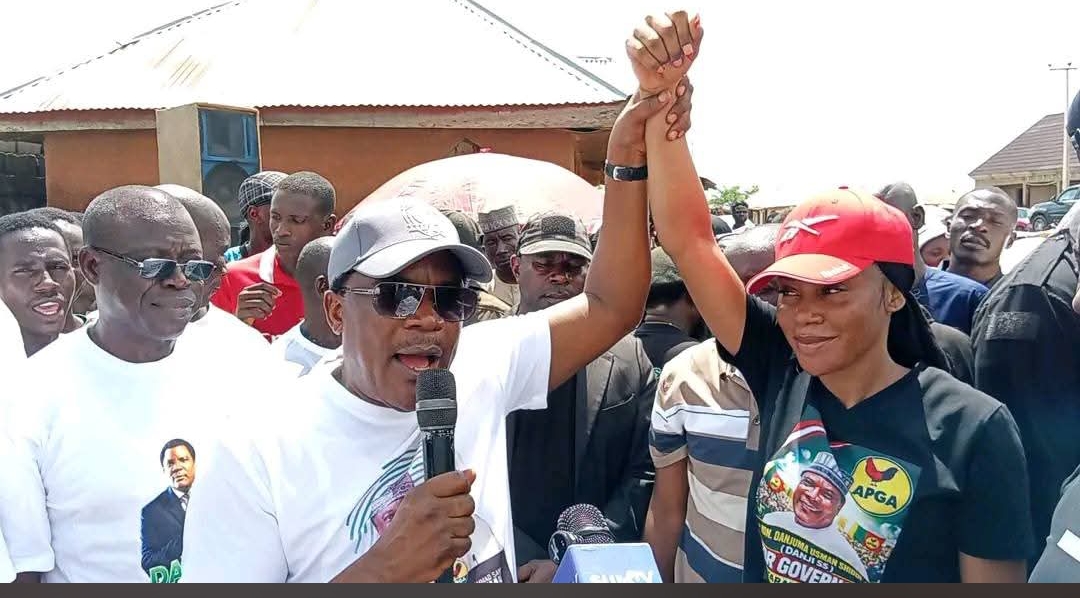
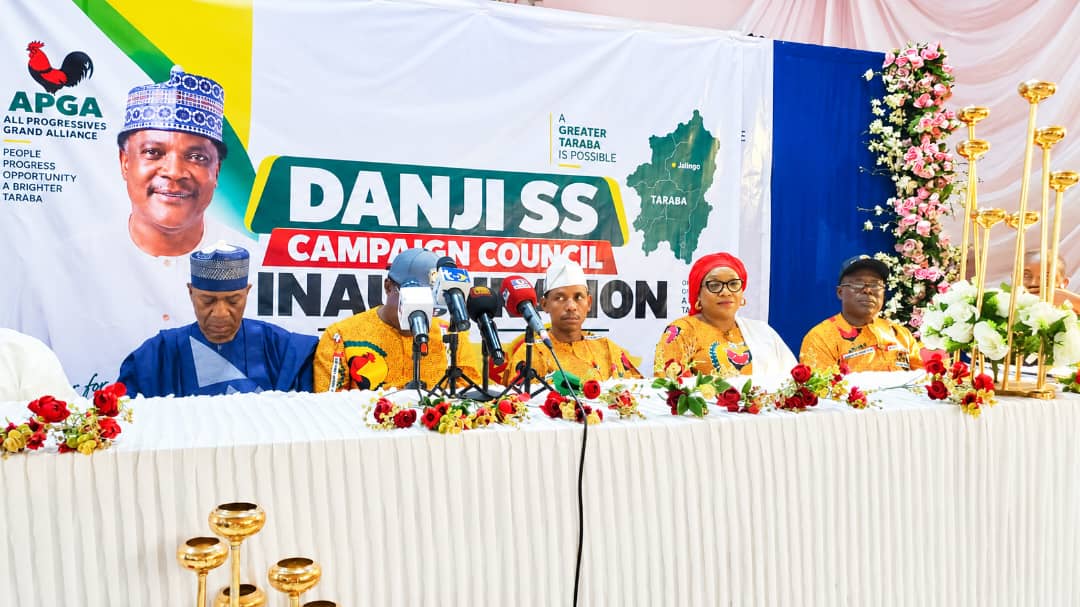
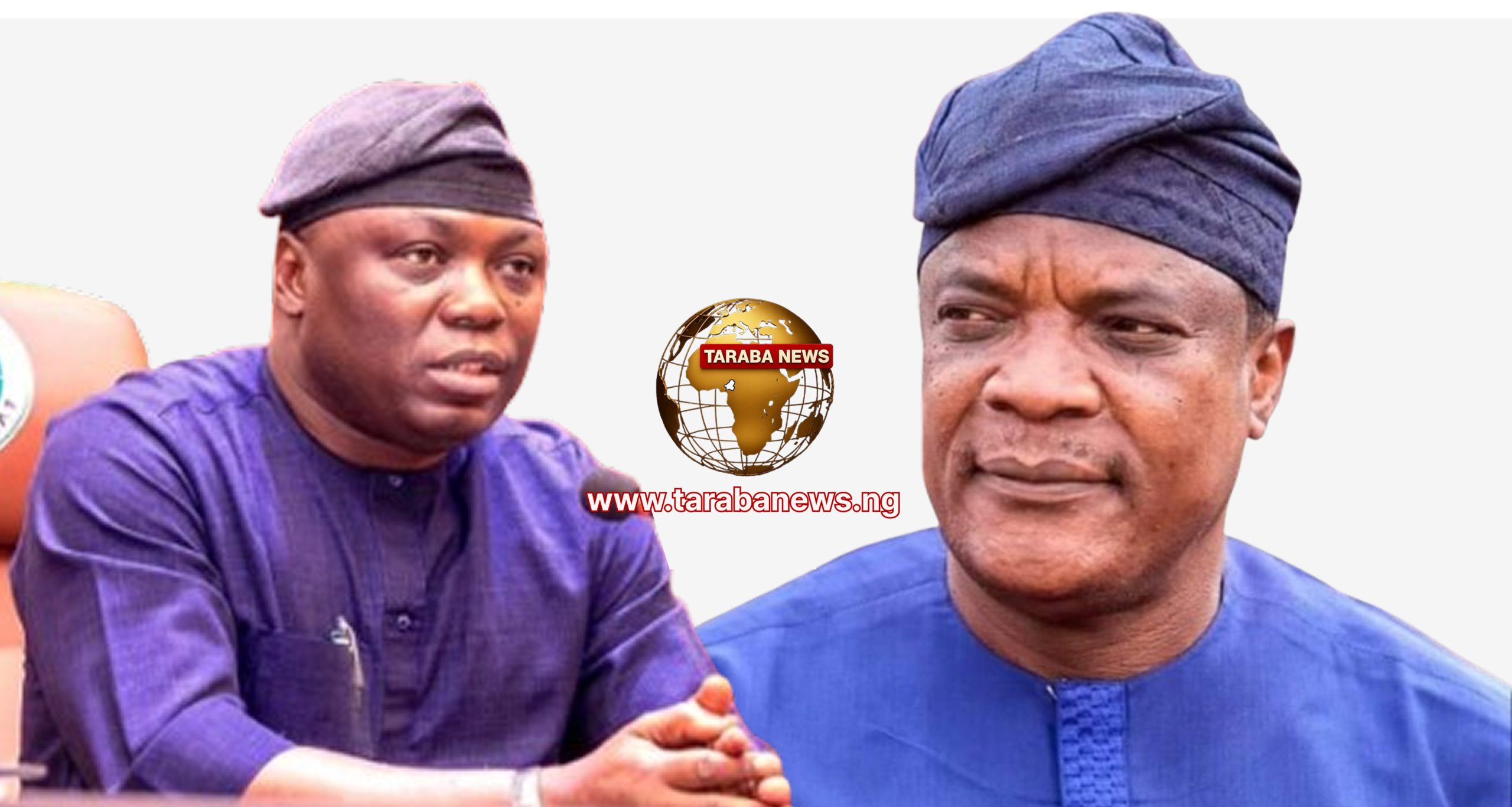
At the centre of the latest political exchange are APGA governorship candidate, Hon. Danjuma Usman Shiddi, popularly known as Danji SS, and the Agbu Kefas Continuity Movement, which has pushed back against his criticism of the administration.
While Shiddi argues that “Taraba deserves better” and says government promises must translate into measurable improvements in the lives of citizens, the pro-Kefas group insists the governor is already delivering results and deliberately taking governance beyond political elites to ordinary Tarabans.
The competing narratives are setting up one of the defining questions of the 2027 governorship election: Has Taraba made enough progress under Kefas to deserve continuity, or does the state need the alternative being offered by Danji SS?
Danji SS: Tarabans Should Judge Government by Results
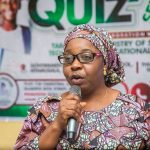
Speaking with journalists in Abuja, Shiddi said his decision to contest the governorship was informed by what he described as continuing difficulties confronting teachers, young people, farmers and families across Taraba.
The former member of the House of Representatives argued that government programmes should ultimately be assessed not by announcements but by their measurable impact on citizens.
Education was a major focus of his criticism.
Shiddi questioned the implementation and effectiveness of the Kefas administration’s free education policy, arguing that reducing the financial burden on parents must be accompanied by motivated teachers, adequate classrooms, teaching materials and better learning conditions.
For the APGA candidate, the relevant question is not simply whether education is declared free, but whether children are receiving quality education and teachers have the resources and motivation required to deliver it.
He also identified unemployment and limited economic opportunities for young people as challenges requiring greater government attention.
Shiddi said his administration, if elected, would prioritise agriculture and entrepreneurship to create opportunities, particularly for young Tarabans.
He similarly pledged improvements in healthcare, including strengthening primary healthcare centres, increasing access to specialist services and addressing the difficulties rural communities face in obtaining quality medical care.
Security, agriculture, healthcare, education and infrastructure would form major pillars of his administration, he said.
Beyond sectoral policies, Shiddi is also making transparency and accountability part of his campaign, promising greater openness in the management of public resources and wider consultation with youths, women, traditional institutions and communities across Taraba’s 16 local government areas.
According to him, the 2027 election should be decided on performance, competence and the capacity of candidates to provide practical solutions to the problems confronting Tarabans.
Kefas Group Fires Back: Ordinary People Are the Stakeholders
The Agbu Kefas Continuity Movement rejected Shiddi’s assessment, accusing him of either being disconnected from developments in Taraba or deliberately refusing to acknowledge the administration’s achievements.
In a statement signed by its Coordinator, Mallam Ibrahim Ardo, the group particularly challenged Shiddi’s criticism of the administration’s engagement with stakeholders.
It asked who should properly be considered a critical stakeholder in a democracy — political elites and former officeholders or ordinary citizens directly affected by government decisions.
According to the group, Governor Kefas has deliberately chosen the latter.
It identified children benefiting from free education, parents whose education expenses have been reduced, young people receiving government support, retirees receiving entitlements and communities benefiting from road and infrastructure projects as the stakeholders whose experiences should form part of any assessment of the administration.
The group maintained that free education, road construction and rehabilitation, youth interventions, attention to abandoned projects and efforts to address pension and gratuity obligations represent tangible achievements of the administration.
Kefas Camp Turns Spotlight on Danji SS’ Eight Years in National Assembly
The Continuity Movement went further by challenging Shiddi to account for his own years in public office.
It argued that having spent eight years in the National Assembly, the former federal lawmaker should equally be prepared to place his record before Tarabans.
The group questioned why challenges in education, healthcare, security and infrastructure had become major concerns for Shiddi now that he was seeking the governorship.
The argument introduces another dimension into the emerging contest.
While Danji SS wants voters to scrutinise Kefas’ performance as governor, supporters of the governor appear determined to make Shiddi’s own record in the House of Representatives an issue in the campaign.
Two Narratives, One Taraba
Beyond the political rhetoric, the exchange presents voters with two sharply different interpretations of Taraba under the present administration.
Shiddi’s argument is that existing interventions have not gone far enough to address the everyday challenges confronting teachers, youths, farmers, rural residents and families.
The Kefas camp presents almost the opposite picture, arguing that reforms are already producing results and that the administration needs continuity to consolidate initiatives in education, infrastructure, youth development, pensions and other sectors.
Interestingly, the governor’s supporters acknowledge that all of Taraba’s problems have not been solved.
“The Governor may not have solved every problem in three years, and no serious government would claim perfection,” the group said, while maintaining that significant foundations have been laid.
That acknowledgement could move the debate away from whether challenges remain towards more important questions: How much progress has been achieved? Is the pace satisfactory? And which candidate offers the more credible path forward?
2027: Records Versus Promises
As the campaign takes shape, both sides may ultimately have to go beyond political statements.
Claims surrounding free education, youth empowerment, roads, pensions and gratuities, healthcare and other interventions can be tested against government records, budget performance and the experiences of communities across the state.
Similarly, Danji SS’ years in the National Assembly and the projects, policies and interventions associated with his tenure can be subjected to public scrutiny.
For Kefas, the challenge will be to convince Tarabans that the progress recorded during his first term is substantial enough to justify continuity.
For Danji SS, the challenge will be to demonstrate that his alternative agenda represents more than criticism of the incumbent and offers a credible, achievable programme for the state.
The emerging 2027 contest may therefore come down to two competing propositions: Kefas asking Tarabans for more time to consolidate what he has started, and Danji SS asking them to conclude that Taraba deserves better.