

20-Year UMCN Rift: Bishop Ande Says Wounds Healing, Urges Media, Religious Leaders to Sustain Peace
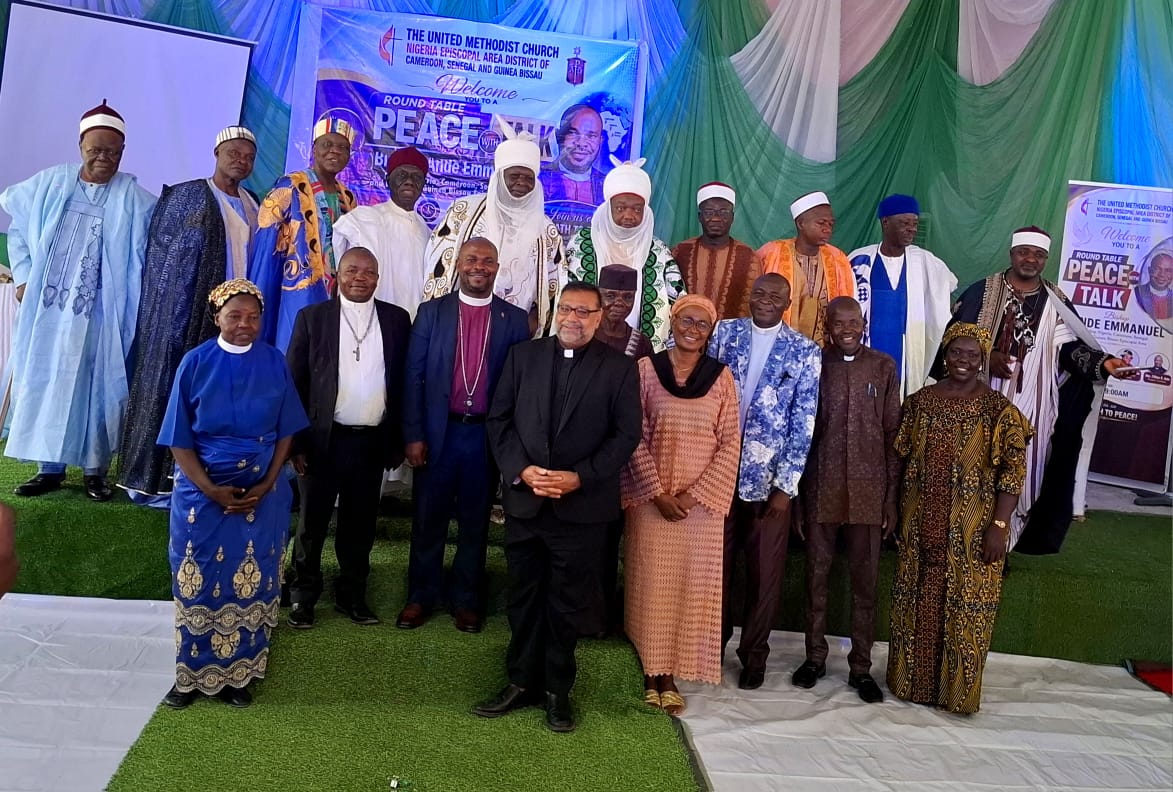
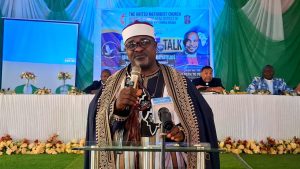
The Bishop of the United Methodist Church Nigeria, UMCN, Bishop Ande Emmanuel, has declared that wounds created by about two decades of division within the Church are gradually healing, as he called on religious leaders, traditional institutions, government and the media to collectively protect the emerging peace and reconciliation.
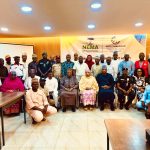
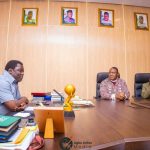
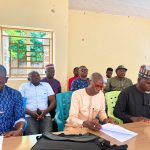
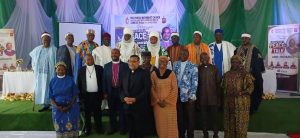
Bishop Ande spoke in Jalingo at a UMCN peace initiative with the theme, “The Church, the Media and Our Collective Responsibility for Peace,” which brought together church leaders, traditional rulers, peace advocates, journalists and other stakeholders.
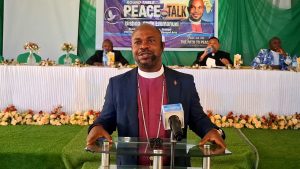
Reflecting on the prolonged disagreement that divided members of the UMCN and pushed sections of the Church apart, Bishop Ande said it was heartwarming that the parties were increasingly embracing peace, reconciliation and dialogue.
He acknowledged that wounds arising from the crisis would take time to completely heal, but said bitterness was gradually giving way to reconciliation and a willingness among the parties to work together.
According to him, what is most important at this stage is that stakeholders have embraced dialogue and recognised that lasting peace is preferable to continued confrontation.
The Bishop broadened his message beyond the UMCN crisis, calling on Christians and Muslims as well as people of different ethnic backgrounds to work together for peace and peaceful coexistence.
He stressed that religious differences should never become justification for hatred, violence or division.
Bishop Ande particularly challenged religious leaders to use their pulpits to preach peace, forgiveness, inclusiveness and togetherness, rather than messages capable of creating hostility among their followers.
Bishop Challenges Media Over Conflict Reporting
Turning to the media, Bishop Ande said journalists and media organisations have a major responsibility in either building peace or escalating conflict.
He urged journalists to verify information before publication and avoid headlines, expressions and narratives capable of reopening wounds or provoking hostility.
According to him, responsible journalism requires reporters to establish facts and use language that encourages reconciliation, inclusiveness and peaceful coexistence.
He warned that false or poorly verified information could fuel misinformation and ultimately contribute to crises.
The Bishop therefore challenged media practitioners covering religious and communal disagreements to understand the possible consequences of the words and headlines they use.
He also urged government at all levels to become active advocates of peace by creating conditions that promote justice, dialogue and peaceful coexistence.
Traditional Rulers Back Peace Initiative
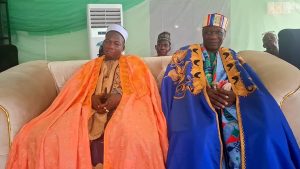
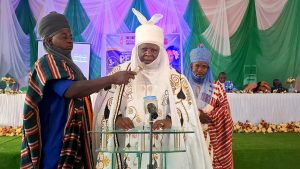
Speaking at the event, the Kur Jibu, Abubakar Mahmoud, described the programme as timely, saying communities urgently require messages that promote peace rather than division.
He said religious and traditional leaders have crucial responsibilities in peacebuilding, urging religious leaders to preach love, forgiveness and tolerance.
According to him, traditional rulers, as custodians of the culture and history of their people, must also educate communities about the consequences of conflict and the importance of resolving differences peacefully.
The traditional ruler commended UMCN and Bishop Ande for creating a platform where stakeholders could openly discuss peace and reconciliation.
He challenged participants not to allow the lessons from the programme to end at the venue but to take the message back to their churches, families and communities and reflect it in their daily lives.
Other traditional and religious leaders at the gathering similarly stressed that peace remains central to the message of Christianity and called for the reconciliation process to be sustained.
‘Peace Must Go With Justice’
International peace and conflict expert from the United States, Rev. Neal Christie, who spoke at the programme, emphasised the importance of translating discussions into practical peacebuilding efforts.
The gathering also heard that sustainable peace must be accompanied by justice, with stakeholders stressing that genuine reconciliation requires fairness, dialogue and willingness to address grievances.
Christie commended Bishop Ande for convening the peace initiative and encouraged participants to put the lessons acquired during the programme into practice.
Also speaking, the Kpan Sanwi of Sanwi Chiefdom in Lau Local Government Area, Pastor Dr. Haniel Banti, challenged church leaders to examine their own roles in conflicts within the Church.
He urged the Church to reclaim its position as a force for peace by demonstrating tolerance, reconciliation and responsible leadership.
Bishop Ande said the ultimate responsibility for peace does not rest with one institution alone, stressing that the Church, media, traditional institutions, government and citizens all have roles to play.
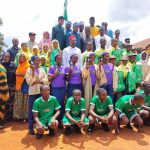
The programme featured interactive sessions and the presentation of certificates to participants.