





TARABA NEWS
The Federal High Court sitting in Jalingo, Taraba State, has dismissed the suit instituted by Alhaji Abdulhadi Haruna Lau against the All Progressives Congress (APC) and its Taraba State Chairman, Alhaji Abubakar Bawa, challenging the party’s 2026 State Congress.
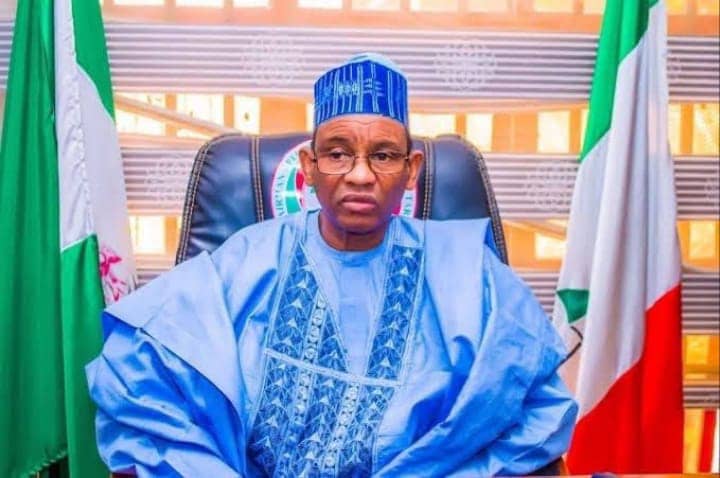
The congress produced Alhaji Abubakar Bawa as the APC State Chairman, alongside other members of the party’s State Working Committee.
In his suit, Abdulhadi Haruna Lau challenged the conduct of the congress, alleging that he was prevented from obtaining the nomination form to contest in the party’s state leadership election, a development he argued violated his fundamental rights.
However, delivering judgment, the presiding judge upheld the preliminary objections raised by the defendants and dismissed the suit.
The court held that the plaintiff failed to exhaust the internal dispute resolution mechanisms provided by the APC Constitution before instituting the action.
The judge further ruled that the plaintiff was not up to date with the payment of his party dues and, consequently, lacked the locus standi to institute the suit.
The court also held that it lacked jurisdiction to entertain the matter in view of Section 83(5) of the APC Constitution.
Although the judge observed that the court could have concluded the matter after upholding the preliminary objections, he proceeded to determine the substantive suit in compliance with the Supreme Court’s directive that trial courts should, where applicable, also pronounce on the substantive issues.
On the merits of the case, the court found in favour of the defendants on all issues and consequently dismissed the suit in its entirety.
In addition, the court awarded ₦1 million in costs against the plaintiff in favour of the APC, the first defendant, and another ₦1 million in favour of Alhaji Abubakar Bawa, the second defendant, bringing the total cost award to ₦2 million.
The judgment represents a significant legal development for the APC in Taraba State, with the court’s decision dismissing the challenge to the party’s 2026 State Congress and the leadership that emerged from it.
The ruling comes as political activities gradually intensify ahead of the 2027 general elections.