





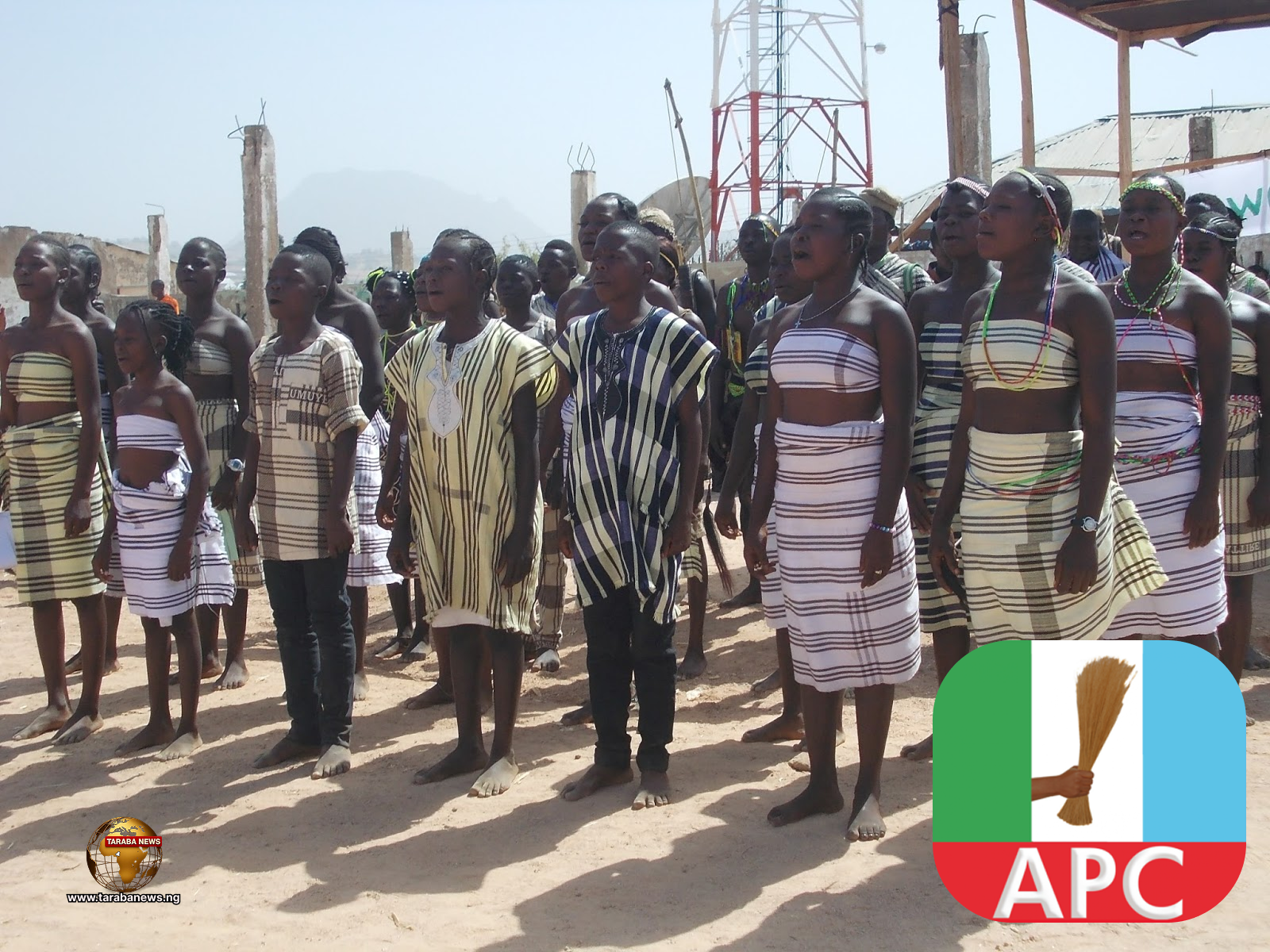
JALINGO — Mumuye stakeholders in Taraba State have called on the All Progressives Congress (APC) to reconsider its decision on the party’s deputy governorship slot, warning that continued exclusion of the Mumuye people from the state’s political power structure could have serious consequences ahead of the 2027 general elections.
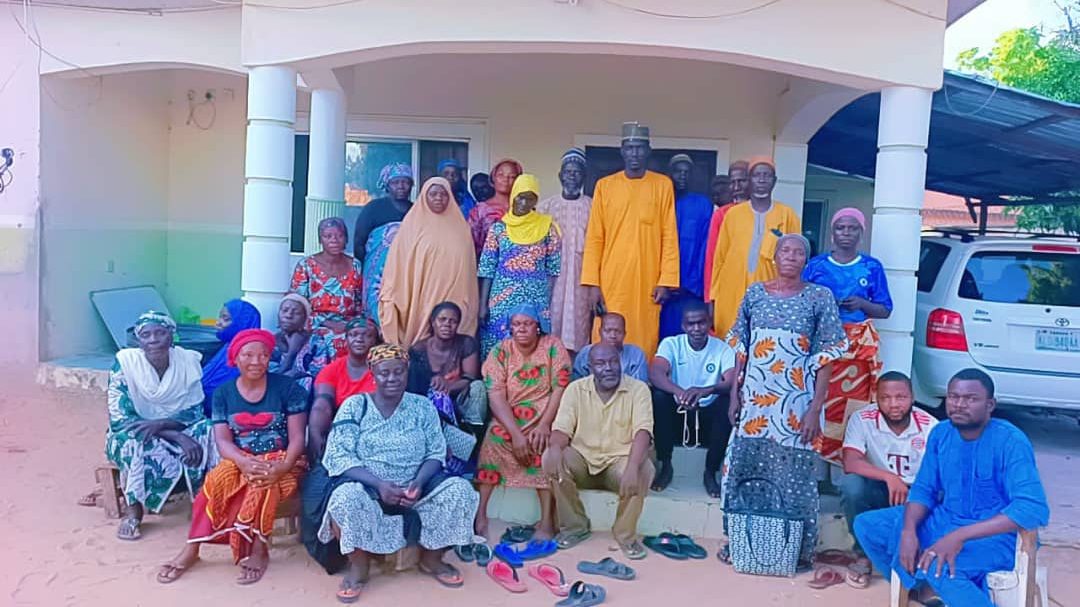
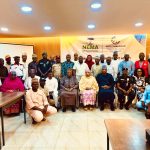
The demand was made by the Mumuye Cultural Development Association (MCDA), which expressed concern over what it described as the systematic sidelining of the Mumuye community from strategic political positions in Taraba State.
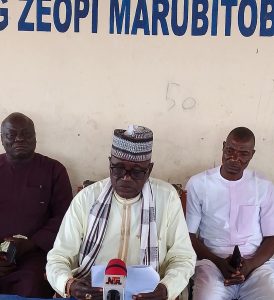
The association maintained that the Mumuye people have made significant contributions to the political and socio-economic development of the state and should be given fair representation in the emerging political arrangement ahead of 2027.
The MCDA leadership said its position was not motivated by a desire for ethnic dominance but by the need for equity, fairness and inclusive participation in governance.
The controversy followed the emergence of Hajiya Zainab Ibrahim, National Deputy APC Woman Leader, as the party’s deputy governorship candidate, replacing the incumbent Deputy Governor, Aminu Abdullahi Alkali, who is from the Mumuye community.
The association appealed to the APC leadership to review the arrangement and consider retaining the deputy governorship position within the Mumuye community.
Speaking on the issue, MCDA President Anthony Dogo Vowaty, a retired Assistant Superintendent of Police, said the demand was based on the principle of fairness and the need to ensure that every major community in Taraba has a sense of belonging in the political process.
Vowaty appealed to the party leadership and other political stakeholders to engage Mumuye leaders in dialogue with a view to resolving the disagreement before the 2027 campaign gains further momentum.
He also defended the political relevance of the incumbent Deputy Governor, Aminu Abdullahi Alkali, arguing that his health challenges should not automatically translate into the loss of the position by the Mumuye people.
According to him, if circumstances make it impossible for Alkali to continue in office, the community should be allowed to produce another suitably qualified candidate for the position.
The association stressed that its demand should not be interpreted as opposition to other ethnic groups or an attempt to monopolise political opportunities.
Rather, it said it was seeking an arrangement that would promote balance and strengthen unity among the diverse communities that make up Taraba State.
The Mumuye youth wing also expressed concern over the development.
The youth body, led by Dr. Ezekiel Hammangabdo Augustine, urged the APC leadership to address the concerns through dialogue, warning that ignoring the grievances could affect the party’s fortunes in the 2027 elections.
The group called on Mumuye political leaders and supporters to remain calm while pursuing legitimate avenues for engagement with the party leadership.
The development comes as political parties in Taraba intensify preparations for the 2027 elections, with questions surrounding zoning, power-sharing and the composition of governorship tickets becoming increasingly prominent.
For the Mumuye stakeholders, the issue goes beyond an individual political appointment, as they believe the deputy governorship slot represents an important avenue for political inclusion and recognition.
They therefore urged the APC to reconsider its position and engage the community before the dispute becomes a wider political confrontation.
As the 2027 elections draw closer, the response of the APC leadership to the Mumuye demand is expected to shape further political discussions and alliances in Taraba State.