
2027: Nyameh Pledges to Unlock Taraba’s Agricultural, Mineral and Tourism Potential
By: Staff Reporter
August 17, 2026
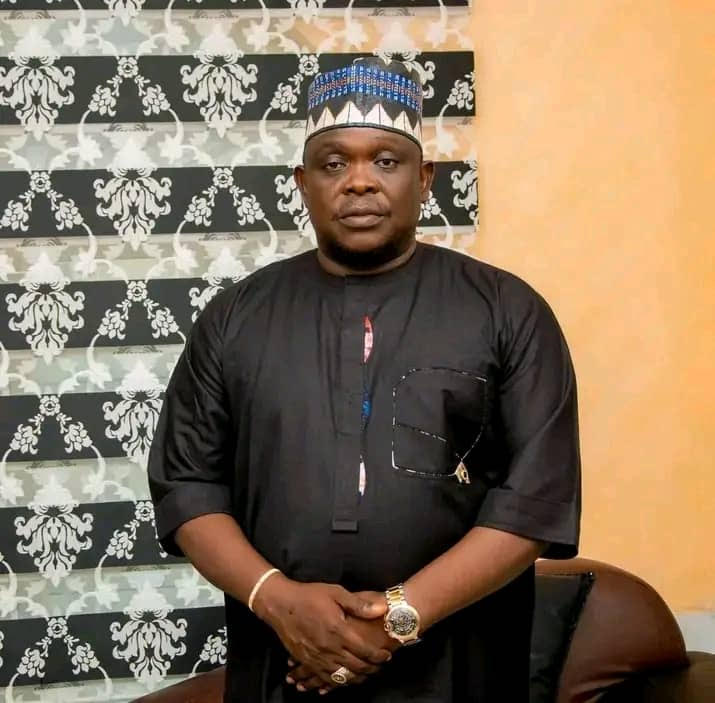
The Accord Party governorship candidate in Taraba State, Professor Jerome Nyameh, has pledged to unlock the state’s agricultural, mineral and tourism potential, arguing that Taraba’s economic challenges are not caused by a lack of resources but by years of underutilisation and poor management.
Nyameh made the position known on Monday in Jalingo while speaking on the development challenges confronting the state and outlining areas he believes could transform Taraba’s economy.
He said the state possesses extensive agricultural land, mineral deposits, forests, water resources and tourism attractions capable of creating wealth, generating employment and improving the living standards of its people.
According to the Accord candidate, the challenge is to develop a deliberate strategy for turning those resources into sustainable economic opportunities.
“Taraba is not poor. We are blessed with natural resources, but these resources have been underutilised and mismanaged.”
Agriculture as Economic Driver
Nyameh identified agriculture as one of the sectors with the greatest capacity to transform the state’s economy.
He proposed greater investment in mechanised farming, agro-processing, improved access to markets and the development of agricultural value chains.
He argued that moving beyond the production of raw agricultural commodities to processing and value addition could create employment while increasing the income of farmers and other participants in the agricultural sector.
The candidate also stressed the need for improved infrastructure to enable farmers in rural communities to transport their produce efficiently to markets.
Responsible Mining
On the state’s mineral resources, Nyameh called for their responsible exploitation, backed by effective regulation.
He said mining activities should be carried out in a manner that protects the environment while ensuring that communities where mineral resources are located benefit from the economic activities taking place in their areas.
He also linked responsible management of mineral resources to the state’s ability to expand its internally generated revenue and reduce dependence on limited sources of government income.
Tourism Potential
Nyameh also identified tourism as an area capable of contributing significantly to Taraba’s economic development.
He pointed to the state’s mountains, forests, wildlife and other natural attractions as assets that could attract visitors and generate revenue if properly developed, marketed and supported with adequate infrastructure.
He said investment in tourism infrastructure could also create opportunities for businesses and young people across the state.
Infrastructure as Foundation for Growth
The Accord candidate argued that the successful development of agriculture, mining and tourism would depend heavily on basic infrastructure.
He therefore called for greater investment in roads, electricity, water supply and healthcare, particularly in rural communities.
According to him, infrastructure is not merely a social service but a critical component of economic development because it determines how easily people, goods and services can move across the state.
Call for Accountability
Nyameh also urged Tarabans to demand greater accountability from political leaders and assess government policies based on their impact on ordinary citizens.
He advocated leadership focused on sustainable development, job creation and improved living standards.
The Accord candidate expressed confidence that Taraba could emerge as one of Nigeria’s leading economic centres if its natural resources were properly harnessed and managed.
His comments come as political parties and governorship aspirants increasingly begin to articulate their positions ahead of the 2027 elections, with economic development, job creation and the utilisation of Taraba’s natural resources expected to feature prominently in the political debate.
For Nyameh, the central challenge is not what Taraba possesses, but how effectively those resources can be converted into opportunities for its people.