




By Olayinka Gabriel Motunrayo | Jalingo, Taraba State
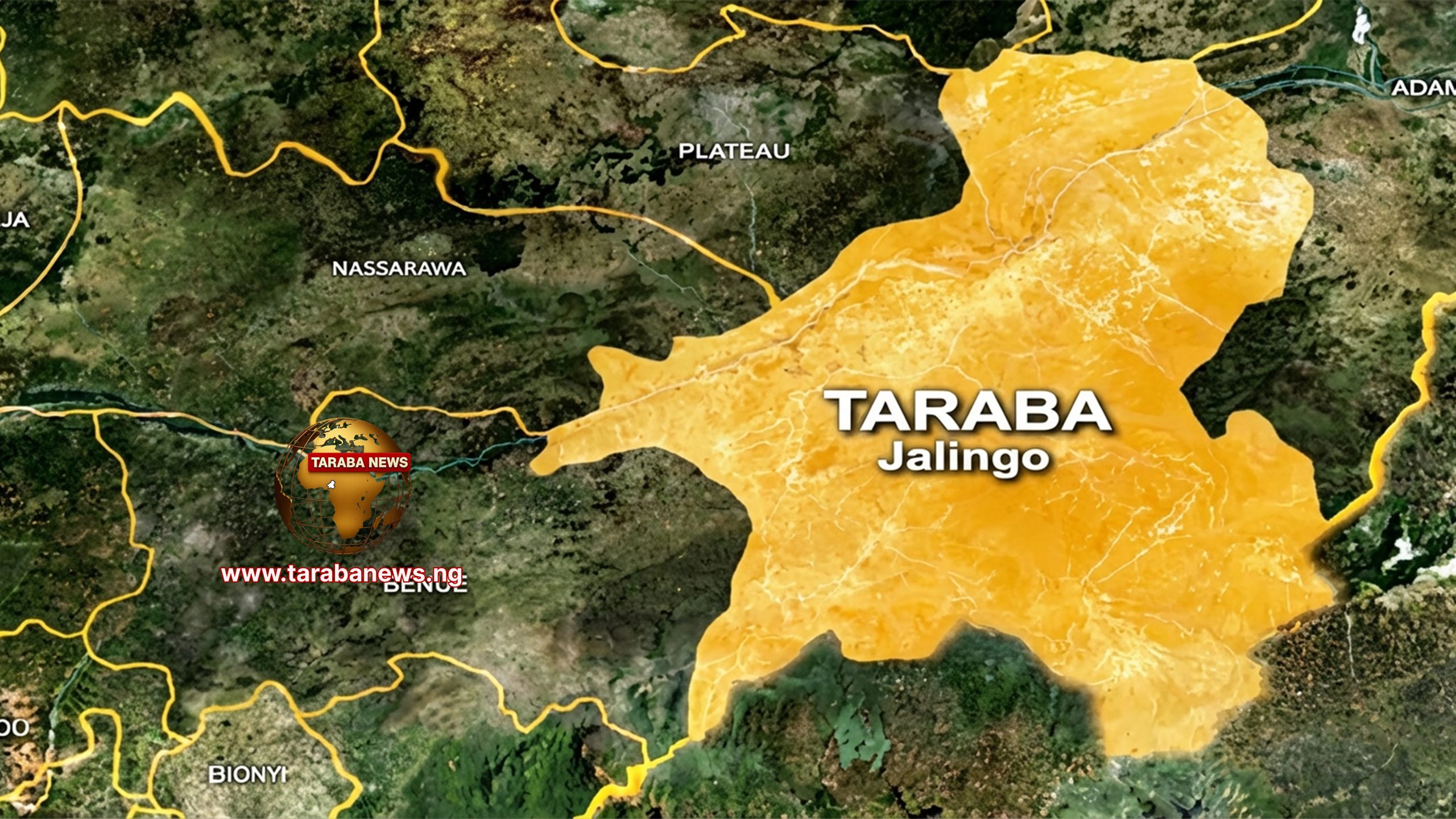
Taraba State is entering a critical period in its development, with recent security incidents, a deadly mining disaster, renewed attention to community safety and an increasingly active political environment combining to place security and responsible governance at the centre of public discussion.
From the hills of the Mambilla Plateau to the mining communities of Bali and the political corridors of Jalingo, recent developments have presented the state with questions that extend beyond individual incidents: how effectively can Taraba prevent crises before they escalate, protect vulnerable communities, regulate activities capable of threatening lives, and maintain peace as political activities intensify ahead of the 2027 elections?
The questions have become particularly urgent following the recent violence in parts of Sardauna Local Government Area and the collapse of an illegal mining pit at Mayo-Kam in Bali Local Government Area.
MAMBILLA: A FRESH TEST OF PEACE AND SECURITY
The latest crisis on the Mambilla Plateau has once again drawn attention to the fragility of peace in an area with a history of communal tensions.
Reports indicate that violence erupted around the Mbamga area of Sardauna Local Government Area following a fatal altercation involving a farmer and a cattle herder. The incident reportedly escalated into wider violence, with deaths, destruction of property and attacks on communities.
At least five people were reported killed, including a security personnel, while local authorities subsequently imposed a 24-hour curfew in affected communities.
The development is significant because the Mambilla Plateau has previously experienced serious communal violence, particularly the 2017 crisis that left many people dead and displaced.
The latest incident therefore raises an important question for Taraba: how can early warning mechanisms, community intelligence and rapid intervention prevent local disputes from developing into wider conflicts?
For a state with diverse communities and a history of communal tensions, security cannot be viewed only through the deployment of armed personnel after violence has begun. Prevention, intelligence gathering, dialogue and community engagement are equally important.
THE MAYO-KAM MINING TRAGEDY
While attention remained focused on the Mambilla crisis, another tragedy struck in Bali Local Government Area.
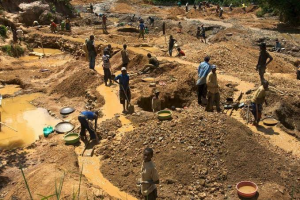
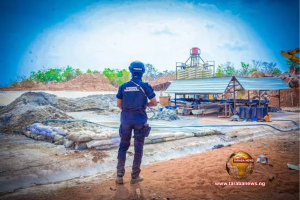
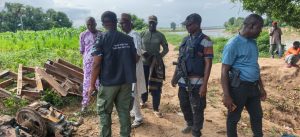
A mining pit at Mayo-Kam collapsed while artisanal miners were reportedly working at the site, with reports putting the death toll at at least 20 people, including women and children.
The incident has exposed another dimension of the state’s security and regulatory challenge: the danger posed by unregulated mining activities.
Beyond the immediate loss of lives, the disaster raises questions about how mining sites are identified, who operates them, whether safety standards are being observed and how effectively illegal mining activities are being monitored.
The tragedy also reinforces the need for a coordinated approach involving the state government, security agencies, traditional institutions, local government authorities and communities.
Illegal mining is not simply an economic issue. In different parts of Nigeria, authorities and analysts have also raised concerns about its relationship with environmental degradation, criminal networks and insecurity.
For Taraba, the Mayo-Kam tragedy should therefore become a catalyst for stronger enforcement, public education and safer mining practices.
SECURITY: FROM REACTION TO PREVENTION
The emerging security picture suggests that Taraba’s security strategy must continue moving beyond reaction to incidents toward prevention.
Earlier in the year, the state government launched grassroots consultations aimed at identifying security loopholes and obtaining community input on kidnapping, banditry and communal conflicts. The initiative was presented as an effort to build security solutions from the grassroots.
The state has also engaged neighbouring Benue State on border security, with both governments establishing a joint committee to address insecurity along their shared boundary.
These approaches point toward a broader understanding of security: security agencies cannot do the job alone.
Traditional rulers, religious leaders, youth organisations, farmers, pastoralists, community leaders and residents all have roles to play in providing credible information and preventing conflicts.
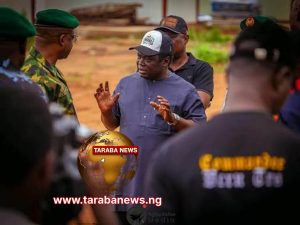
The appointment of CP Edwin Ogbeghagha as Commissioner of Police in Taraba also comes at a particularly sensitive time. The Police Service Commission tasked him with professionalism, neutrality and fairness, especially as political activities intensify ahead of the 2027 elections.
2027: SECURITY AND POLITICS MEET
If there is one issue that will increasingly test Taraba’s security architecture, it is the 2027 election.
The political contest is already gathering momentum.
INEC has published the particulars of 19 governorship candidates for the Taraba governorship election, reflecting a crowded political field. Among the prominent candidates reported are Governor Agbu Kefas of the APC, Emmanuel Bwacha of the PDP, Abubakar Tutare of the ADC, Danjuma Shiddi—popularly known as Danji SS—of APGA, Jerome Nyameh of Accord and Mohammed Yahaya of the NDC.
With political mobilisation already underway, the responsibility for maintaining peace will extend beyond security agencies.
Political parties and candidates will have to manage their supporters responsibly, while security agencies will face the task of enforcing the law without partisan bias.
The Taraba Police Command has already warned political parties, candidates and supporters against violence and activities capable of disrupting public peace as political activities intensify.
The 2027 election should therefore not only be viewed as a contest for political power. It will also test Taraba’s institutions, political maturity and collective commitment to peaceful democratic participation.
THE ROAD AHEAD
The recent developments present Taraba with both challenges and an opportunity.
The Mambilla crisis calls for stronger conflict-prevention mechanisms.
The Mayo-Kam tragedy calls for stricter oversight of mining activities and stronger protection for communities engaged in artisanal mining.
The broader security situation calls for intelligence-led policing, stronger inter-agency cooperation, community participation and rapid response mechanisms.
GMCN CLARIFIES ANNUAL CONFERENCE DEVELOPMENTS, ADVISES MEMBERS TO TRUST OFFICIAL SOURCES
And the 2027 political season calls for restraint, tolerance and strict adherence to electoral and security rules.
For Taraba, the priority should be clear: protect lives first, prevent crises before they escalate, and ensure that political competition does not undermine social cohesion.
The coming months will require government and security agencies to remain proactive, while communities must also recognise their responsibility in providing information and rejecting violence.
The state cannot afford to wait for another tragedy before closing another security loophole.
As Taraba moves toward 2027, the real measure of preparedness will not simply be the number of security personnel deployed or political rallies held. It will be whether ordinary citizens can live, farm, trade, travel and participate in political activities without fear.
That is ultimately the test before Taraba: security, stability and responsible leadership at a time when the state’s political and social landscape is rapidly changing.