


The United Methodist Church in Nigeria, Cameroon and Senegal Episcopal Area has intensified efforts to strengthen financial accountability and institutional efficiency through a five-day bookkeeping and accounting training workshop for finance officers and the presentation of two brand-new vehicles to senior church officials in recognition of their service.
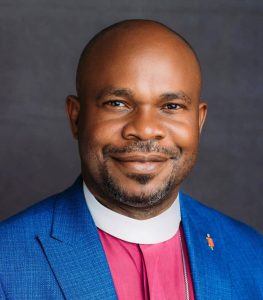
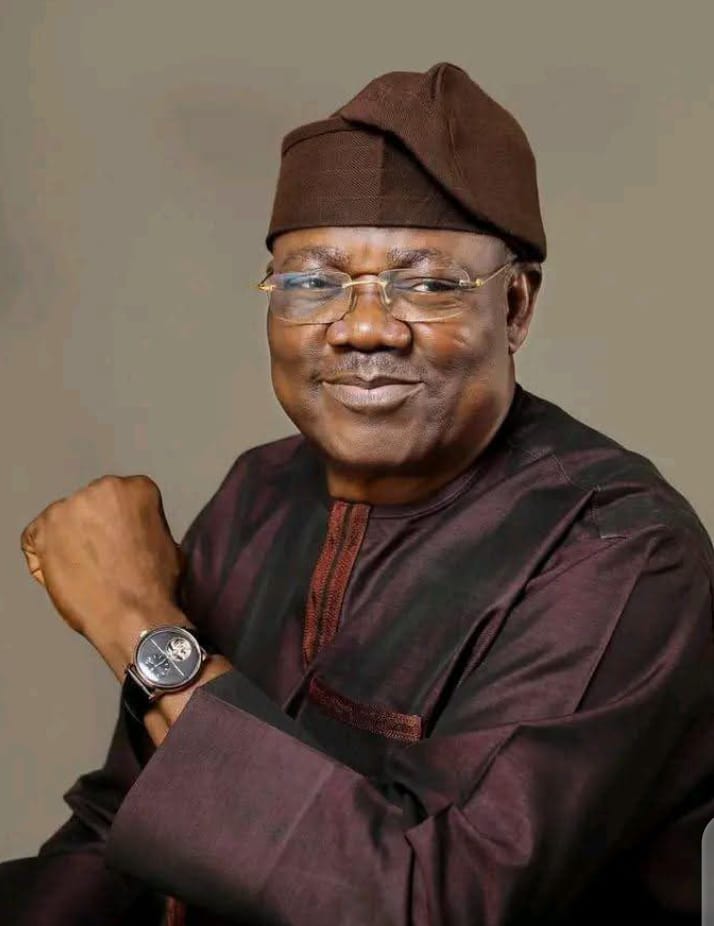
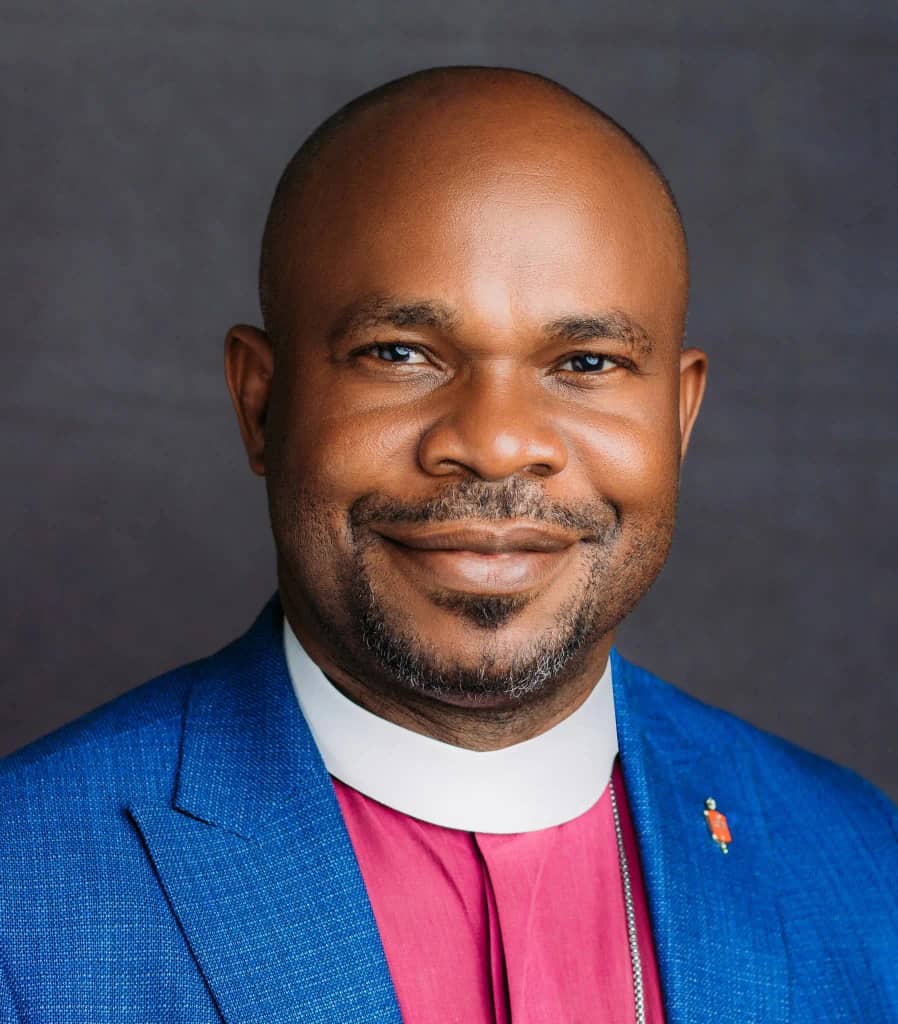
The initiatives, led by the Resident Bishop of the Episcopal Area, Bishop Ande I. Emmanuel, are aimed at improving financial management, promoting transparency and recognising dedication among officials serving within the church.
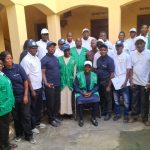
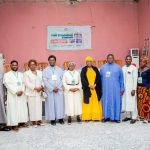
The five-day training workshop, held in Jalingo, Taraba State, brought together finance officers from across the Episcopal Area to strengthen their knowledge of bookkeeping, accounting procedures and financial reporting.
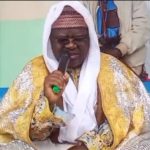
Welcoming participants, Bishop Emmanuel described the training as an important opportunity to equip church finance officers with the practical skills required to manage resources responsibly and discharge their duties in line with established accounting principles.
He emphasised that effective financial management was essential to the church’s growth, credibility and long-term sustainability, noting that those entrusted with church funds must demonstrate integrity, discipline and accountability.
The bishop also highlighted the need to strengthen existing financial procedures following a recent audit covering the first two years of the administration.
Although he did not disclose specific findings from the audit, he stressed the importance of using the exercise to improve financial systems, address identified weaknesses and reinforce accountability across the church’s administrative structures.
Bishop Emmanuel urged participants to take full advantage of the workshop by actively engaging with facilitators, asking questions and applying the knowledge acquired to their respective areas of responsibility.
He expressed optimism that improved bookkeeping, accurate financial reporting and proper documentation would strengthen internal controls and promote responsible stewardship of church resources.
The long-term success of the training, he noted, would depend on the willingness of participants to translate the lessons into practical improvements in their day-to-day financial operations.
Vehicles Presented to Senior Church Officials
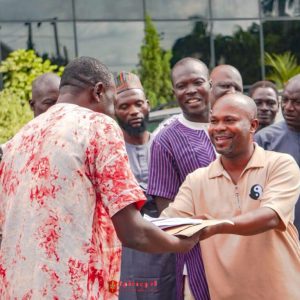
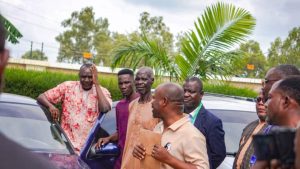
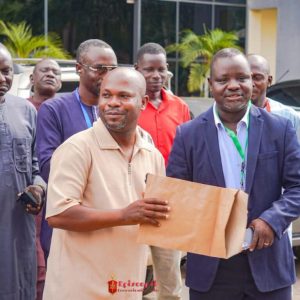
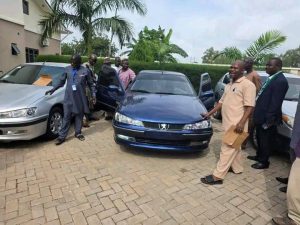
In a related development, Bishop Emmanuel has presented two brand-new vehicles to senior church officials in recognition of their service and contributions to the administration of the Episcopal Area.
The presentation was disclosed in a statement issued by Rev. Filibus Bakari Auta, Lead Director of Communication for the United Methodist Church Nigeria, Cameroon and Senegal Episcopal Area.
Auta described the gesture as a demonstration of leadership that values dedication, recognises commitment and provides support to individuals entrusted with important responsibilities within the institution.
He explained that the presentation went beyond the material value of the vehicles, symbolising appreciation, trust and the importance of strengthening personnel who contribute to the church’s growth and administration.
According to him, leadership should not be measured solely by the authority or position an individual occupies, but also by the opportunities created for others to succeed and contribute meaningfully to an organisation.
The beneficiaries include Rev. Eli Sule Yakku, the Bishop’s Administrative Assistant, and the Dean of Cabinet.
The statement expressed optimism that the gesture would encourage a stronger culture of service, recognition and institutional development within the church.
It also noted that providing vehicles to senior officials could facilitate mobility and support the discharge of their official responsibilities, while the broader value of such initiatives would ultimately depend on their contribution to institutional efficiency and organisational growth.
Strengthening Accountability and Institutional Growth
The two initiatives highlight the church’s focus on strengthening both its administrative capacity and the welfare of personnel responsible for implementing its programmes.
While the accounting workshop seeks to improve the management and accountability of financial resources, the presentation of vehicles underscores the importance of recognising service and supporting officials in carrying out their duties.
For an institution that relies partly on the contributions and support of its members, transparent financial management remains critical to sustaining confidence and ensuring that available resources are deployed effectively.
Similarly, recognising dedicated personnel and providing appropriate operational support can contribute to staff motivation and improve administrative effectiveness.
The church’s ability to sustain these efforts will depend on the consistent application of sound financial practices, effective internal controls and a leadership culture that combines accountability with support for those serving the institution.
Bishop Emmanuel expressed confidence in the capacity of the initiatives to contribute to the continued growth, unity and transformation of the United Methodist Church Nigeria, Cameroon and Senegal Episcopal Area.
Ultimately, the success of the programmes will be measured not only by the completion of the training or the presentation of vehicles, but also by their practical impact on financial accountability, administrative efficiency and the effective management of church resources.