



₦80BN WUKARI FLYOVER: NYAMEH, SHIDDI QUESTION PRIORITY AS KEFAS GOVT DEFENDS PROJECT
Bello Says Flyover Is Visionary, Future-Focused Infrastructure • Wukari Stakeholder Tells Governor: “Carry On, We Are With You”
By Taraba News | Jalingo
The debate over the proposed ₦80 billion Wukari Flyover has intensified, with two opposition governorship candidates questioning the project’s priority and economic justification, while the Taraba State Government has defended the initiative as a visionary investment designed to prepare the historic city for future growth.
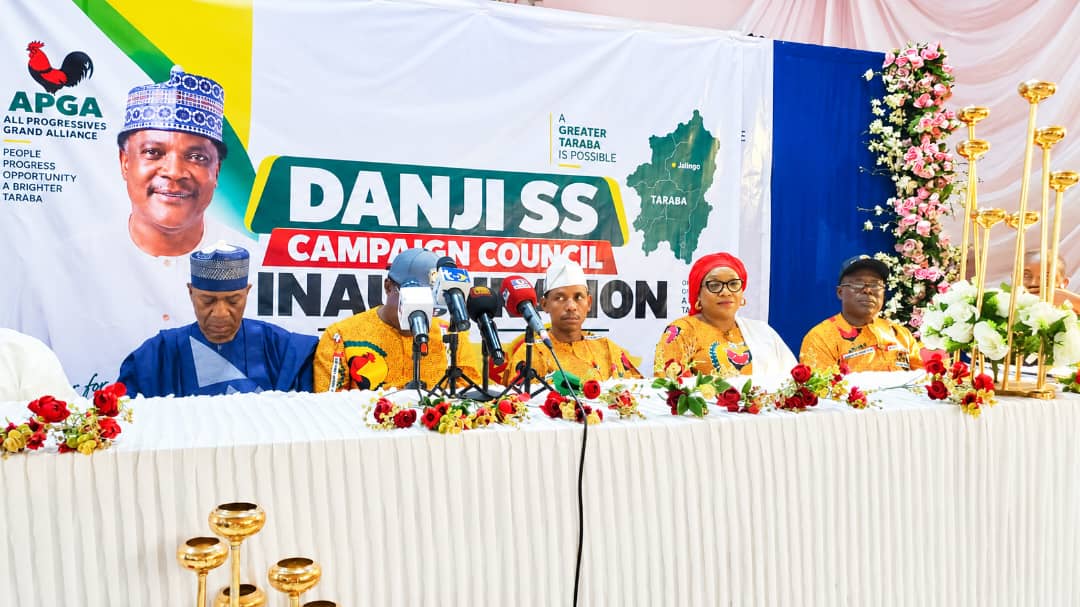
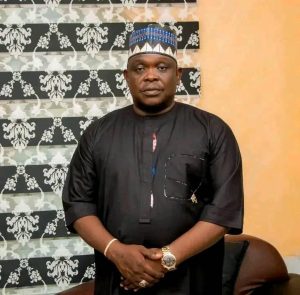
Professor Jerome Nyameh, Accord governorship candidate, and Hon. Danjuma Usman Shiddi, popularly known as Danji SS, governorship candidate of the All Progressives Grand Alliance, APGA, separately raised concerns about the project, insisting that the government must demonstrate its economic value and justify its priority against other pressing needs.
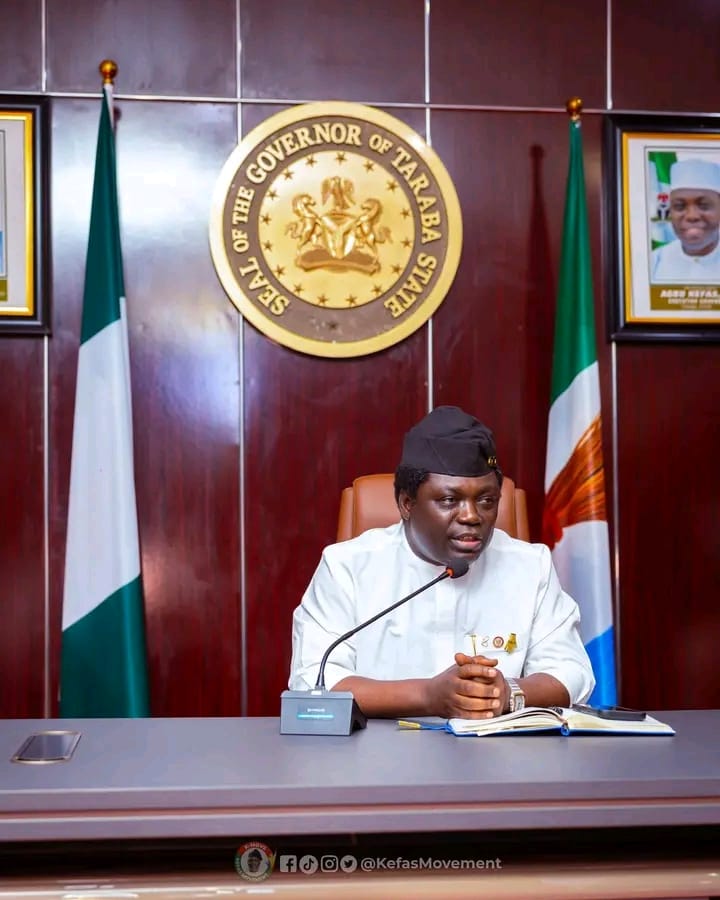
But Governor Agbu Kefas’ spokesman, Emmanuel Bello, rejected the argument that the flyover constitutes a misplaced priority, saying major infrastructure should not always be judged solely against today’s circumstances.
Responding particularly to Shiddi’s position that the project was unnecessary, Bello argued that Wukari is expanding and that government must also plan for what the city will become in the years ahead.
“A flyover or bridge anywhere in the world can never be a misplaced priority. Wukari will certainly grow bigger than it is today,” Bello said.
According to him, the historic city is already developing and has the potential to grow into one of Nigeria’s major urban centres.
He maintained that some infrastructure projects are inherently visionary and should therefore be assessed from a long-term perspective rather than solely on immediate traffic or population pressures.
“Some projects may be visionary in nature to be viewed strictly from futuristic prisms,” the governor’s spokesman argued.
His intervention introduces the government’s central defence of the project: that infrastructure planning should anticipate future development rather than wait until population growth and congestion overwhelm existing facilities.
NYAMEH: GOVT MUST ANSWER SEVEN QUESTIONS
Professor Nyameh, while stressing that he was not opposed to development or infrastructure in Wukari, said the reported ₦80 billion cost makes transparency and economic justification imperative.
He asked whether the project was presented to and approved by a properly constituted State Executive Council meeting, while also demanding details of its full scope, contractor and completion timeline.
The Accord candidate further sought information on how the project would be financed, the terms of the funding and the expected economic return to Wukari and Taraba State.
“These are not political questions. They are questions of responsible governance,” Nyameh said.
According to him, the debate should not simply be about whether a flyover is good infrastructure but whether it represents the most urgent and economically productive investment Wukari requires at present.
“Wukari deserves development. But also Wukari deserves the right priorities,” he maintained.
SHIDDI: ₦80BN COULD ADDRESS MORE PRESSING NEEDS
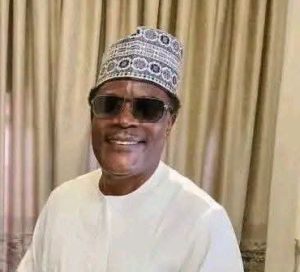
Shiddi took a stronger position, describing the proposed flyover as a “white elephant project and a misplaced priority.”
In an open appeal to Governor Kefas, the APGA candidate questioned whether Wukari currently experiences the level of traffic congestion normally associated with the need for such infrastructure.
He argued that flyovers are primarily intended to ease persistent congestion and improve movement rather than serve as monuments.
Shiddi suggested that the funds could instead be directed towards a modern specialist hospital in Wukari and strategic roads and bridges across Taraba.
Among projects he identified were the Lau–Karim Lamido bridge, Ibi Bridge, Chinkai–Awe crossing, Namnai Bridge in Gassol and the Zagah Bridge on the Bali axis.
He argued that such projects could open communities, stimulate agriculture and commerce and improve access to healthcare and education.
The APGA candidate also raised concerns about the state’s borrowing and called for greater scrutiny of the economic returns expected from debt-financed infrastructure.
“THIS IS WUKARI’S TIME” — ADIGRACE
Beyond the government’s response, however, Shiddi’s position has also encountered opposition from within Wukari itself.
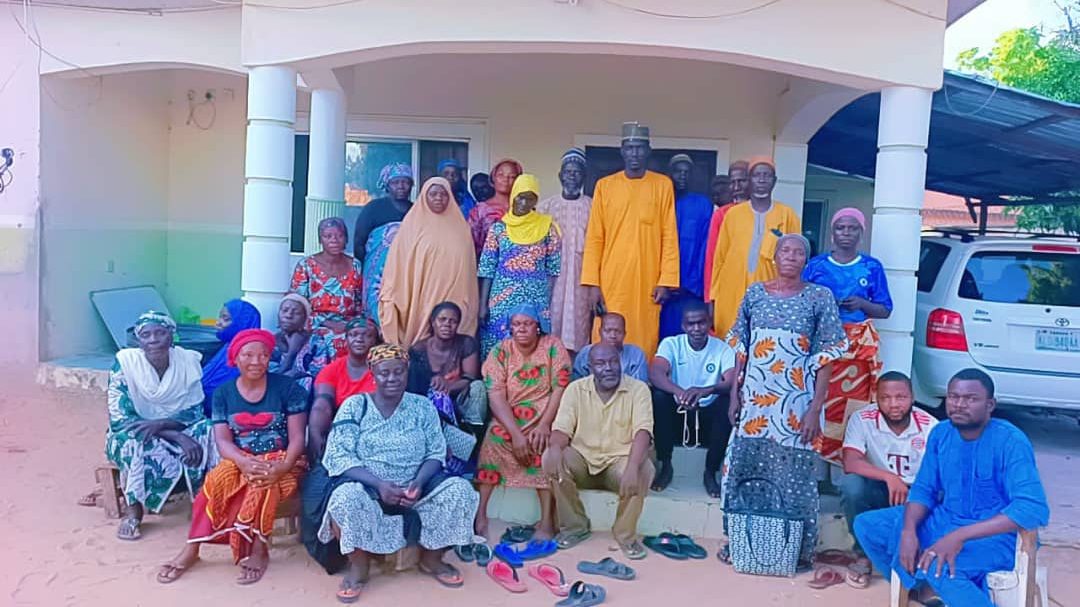
Dr. Adi Daniel Adigrace, a Wukari resident, strongly backed the proposed flyover and appealed to Governor Kefas to proceed with the project.
Adigrace argued that infrastructure should not be assessed only against current challenges but also against future population, transportation, commercial and economic growth.
According to him, Wukari is an ancient and strategically important city whose population and economic activities will continue to expand.
“What may appear unnecessary to some people today may become a very important and indispensable infrastructure tomorrow,” he said.
He argued that Wukari residents should seize the opportunity presented by the government’s willingness to undertake a major infrastructure project in the town rather than discourage it.
“This is our time, and we need the project now. Opportunities of this nature do not come every day,” he said.
Adigrace urged residents to separate development from partisan politics and continue demanding additional projects rather than rejecting those already proposed.
He also called for more infrastructure development around Wukari and, where feasible, at strategic locations such as Ibi Roundabout.
Pointing to developments including Chinkai Road, Kente Road and roads within Wukari township, he said residents should acknowledge progress while retaining their right to constructive criticism.
“Politics will come and go, but development remains for the people,” Adigrace said.
“Please, Dr. Agbu, carry on. We are with you. Governor Kefas, please do more for Wukari.”
THE DEBATE: PRESENT NEEDS OR FUTURE GROWTH?
The competing positions have now broadened what began as criticism of a single project into a larger debate over how Taraba should determine its infrastructure priorities.
Nyameh’s position focuses principally on transparency, financing, approval and value for money.
Shiddi goes further, arguing that the project itself represents a misplaced priority and that the resources could generate greater benefits if invested in healthcare, roads and strategic bridges.
The Kefas administration, through Bello, counters that major infrastructure cannot always be assessed solely on the basis of today’s needs. Its argument is that responsible governments must also anticipate tomorrow’s population, traffic and economic expansion.
Adigrace’s intervention adds another dimension: some residents of the beneficiary community see the flyover as an opportunity Wukari should embrace rather than reject.
The arguments leave several important issues at the heart of the controversy.
Should infrastructure respond only to an existing problem, or should government build ahead of future demand?
And even where a project is visionary, how should government balance tomorrow’s anticipated needs against today’s immediate demands for healthcare, roads, bridges, water and other essential infrastructure?
Those are legitimate questions on both sides.
What is increasingly clear, however, is that the proposed Wukari Flyover is emerging as an important issue in Taraba’s political and development debate ahead of the 2027 governorship election.
For the government, the project represents an investment in the future of one of Taraba’s most important towns.
For its critics, the issue is not whether Wukari deserves development, but whether an ₦80 billion flyover represents the best use of public resources at this stage of the state’s development.
And for supporters in Wukari, the message to Governor Kefas is equally straightforward:
Build it — and bring more development.