





LAGOS, Nigeria — October 28, 2026
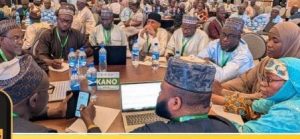
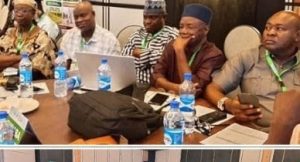
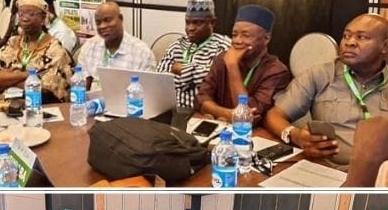
The Agro-Climatic Resilience in Semi-Arid Landscapes (ACReSAL) project has secured an additional $500 million in World Bank financing, with Taraba State joining 18 other participating states at a workplan finalisation workshop in Lagos to align implementation strategies for the next phase of the initiative.
The additional financing is expected to support expanded activities in landscape restoration, sustainable agriculture, climate resilience and community livelihood development across the participating states.
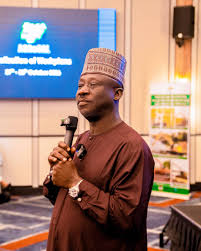
The Task Team Leader, Dr. Joy Agene Iganya, announced the development during the workshop, which brought together representatives of the 19 participating states to finalise implementation plans and coordinate priorities for the project.
Dr. Iganya highlighted the importance of accountability and effective utilisation of resources in sustaining development partners’ confidence, stressing that responsible management of available funds could attract further support.
The additional financing, according to project officials, reflects the progress recorded under ACReSAL and provides an opportunity to scale up interventions across the participating states.
Taraba Participates in Workplan Finalisation
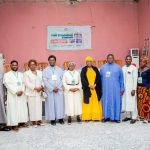
Taraba State participated in the Lagos workshop through a delegation led by the State Project Coordinator, Dr. Yakubu Giwa Clement, alongside 11 other members of the State Project Management Unit (SPMU).
The delegation’s participation was aimed at aligning the state’s implementation priorities with the newly finalised workplan and strengthening its engagement in the next phase of the project.
Through ACReSAL, Taraba is expected to pursue interventions focused on restoring degraded landscapes, supporting vulnerable communities, promoting sustainable agricultural practices and improving livelihoods in areas affected by environmental challenges.
The project also provides a framework for strengthening community participation in natural resource management and building resilience against climate-related risks, including land degradation and changing rainfall patterns.
Focus on Livelihoods and Landscape Restoration
ACReSAL is designed to address environmental degradation and strengthen climate resilience across Nigeria’s semi-arid landscapes through coordinated interventions in participating states.
Its activities include landscape restoration, sustainable land and water management, and support for community livelihoods, particularly in areas where environmental challenges affect agricultural productivity and economic activities.
Speaking on the project’s progress, the National Project Coordinator said ACReSAL had established a strong foundation and recorded achievements that contributed to the approval of the additional financing.
The newly finalised workplan is expected to guide the implementation of expanded activities across the 19 states, with emphasis on coordinated planning, effective resource utilisation and improved outcomes for beneficiary communities.
For Taraba, the initiative presents an opportunity to strengthen environmental restoration efforts while supporting farmers and other rural residents whose livelihoods depend on land and natural resources.
Implementation of the New Workplan
Following the Lagos workshop, participating states are expected to proceed with operationalising the finalised workplan in line with the project’s implementation framework.
The next phase is expected to place emphasis on community engagement, livelihood support and landscape restoration, with state project management units playing key roles in coordinating activities and implementation.
For Taraba State, the effective execution of planned interventions will be important in translating the expanded financing into practical benefits for communities, including improved land management, more sustainable agricultural practices and stronger resilience to climate-related challenges.
The additional $500 million financing marks a new phase for ACReSAL, while the participation of Taraba and the other 18 states highlights the importance of coordinated action in addressing environmental degradation and promoting sustainable development across Nigeria’s semi-arid regions.