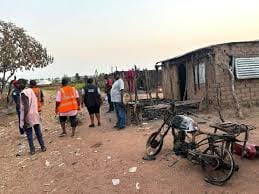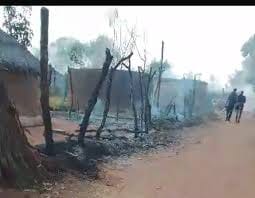









A political analyst and Human Resource Development Expert, Sir Ngezack CA Mainasara Nguroje, has raised concerns over the recurring security challenges in Taraba State, describing the recent killings in Binnari community, Karim Lamido Local Government Area, as a serious test of government’s constitutional responsibility to protect lives and property.
In a philosophical and political reflection titled *“The State of a Lawless Society: When Government Fails in Its Primary Responsibility of Protecting Human Life,”* Nguroje examined the Binnari tragedy through the social contract theories of Thomas Hobbes, John Locke and Jean-Jacques Rousseau.
He argued that government derives its legitimacy from its responsibility to maintain peace, protect citizens’ fundamental rights and provide an environment where people can live without fear of violence.
Referencing Section 14(2)(b) of the 1999 Constitution of Nigeria, which identifies the security and welfare of the people as the primary purpose of government, the analyst questioned the effectiveness of existing security arrangements in protecting vulnerable communities.
Nguroje noted that the Binnari attack, which reportedly resulted in multiple deaths, injuries, destruction of property and displacement, raises critical questions about intelligence gathering, preventive security measures and the speed of response by security agencies.
He stressed that beyond the conflicting casualty figures reported after the incident, every victim represents a human life, while affected families deserve compassion, protection and adequate humanitarian support.
The analyst also warned that persistent insecurity could weaken public confidence in government institutions and force communities to increasingly rely on informal self-defence arrangements, potentially creating further security complications.
He called for stronger intelligence gathering, improved security presence in vulnerable communities, effective rapid-response mechanisms and enhanced cooperation among security agencies across state boundaries.
He further advocated stronger engagement between security institutions and traditional rulers, religious leaders, community associations and other local stakeholders to improve early warning systems and prevent future attacks.
Nguroje maintained that security should not be treated as a partisan issue, insisting that the protection of human life must take precedence over political interests and electoral ambitions.
He urged the Federal Government, Taraba State Government, local authorities and relevant security agencies to intensify efforts toward restoring confidence and ensuring the safety of residents.
The analyst concluded that the Binnari tragedy should serve as a wake-up call for all levels of government, stressing that the true measure of leadership lies not only in public statements of sympathy but also in practical actions that prevent further loss of lives.
By Sir Ngezack CA Mainasara Nguroje.