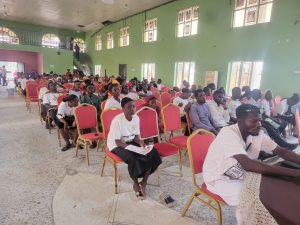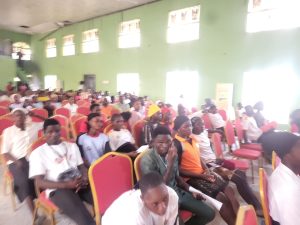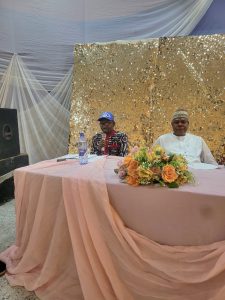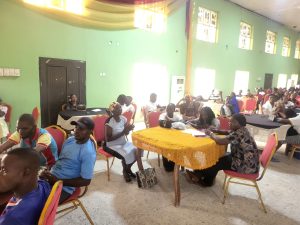


Candidates pledge youth inclusion, employment opportunities, scholarships, and agricultural support at political engagement in Jalingo.
JALINGO, TARABA STATE | October 30, 2026
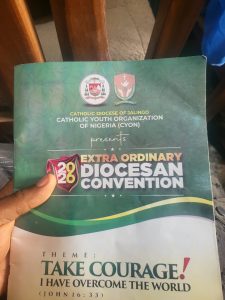
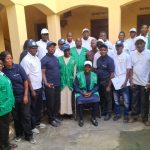
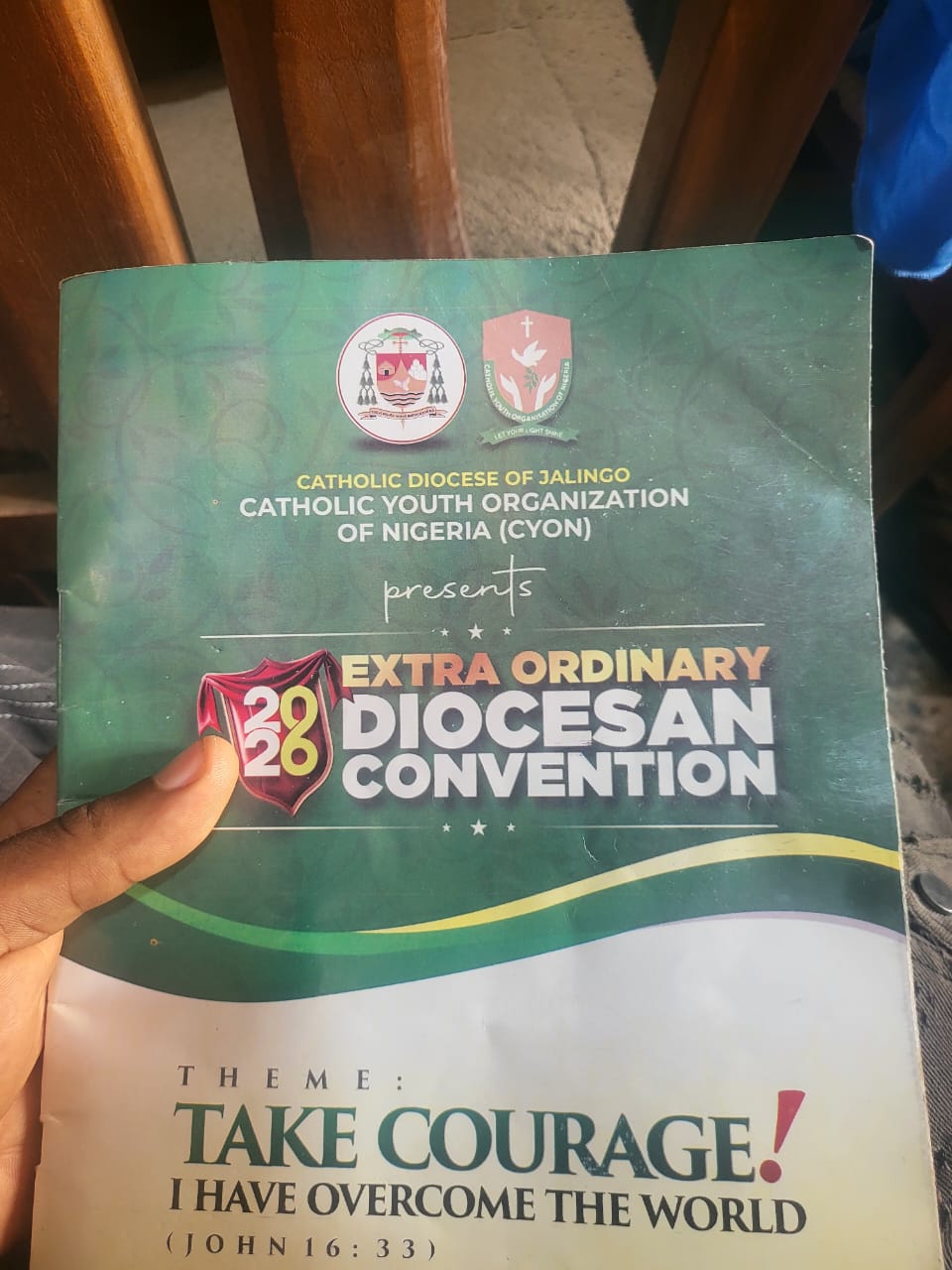
The Catholic Youth Organisation of Nigeria (CYON), Jalingo Diocese, has brought together political candidates from different political parties for an interactive engagement on youth development, political participation, and the future of Taraba State ahead of the 2027 general elections.
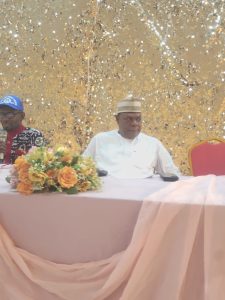
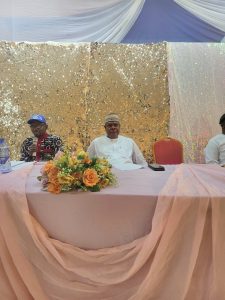
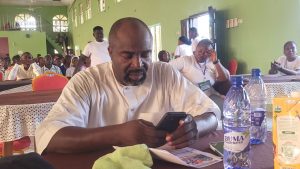
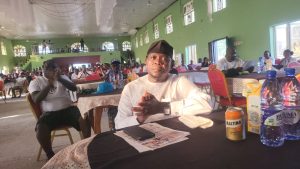
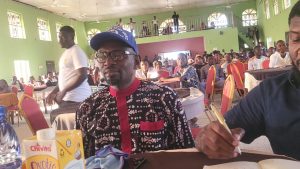
The engagement, held at the Catholic Pastoral Centre, Mile Six, Jalingo, provided a platform for young people to interact directly with aspiring political leaders, examine their political manifestoes, and seek concrete commitments on issues affecting their welfare, opportunities, and future.
The initiative was designed to promote political awareness among young people, encourage informed electoral decisions, and ensure that youth concerns occupy a central position in political discussions and governance.
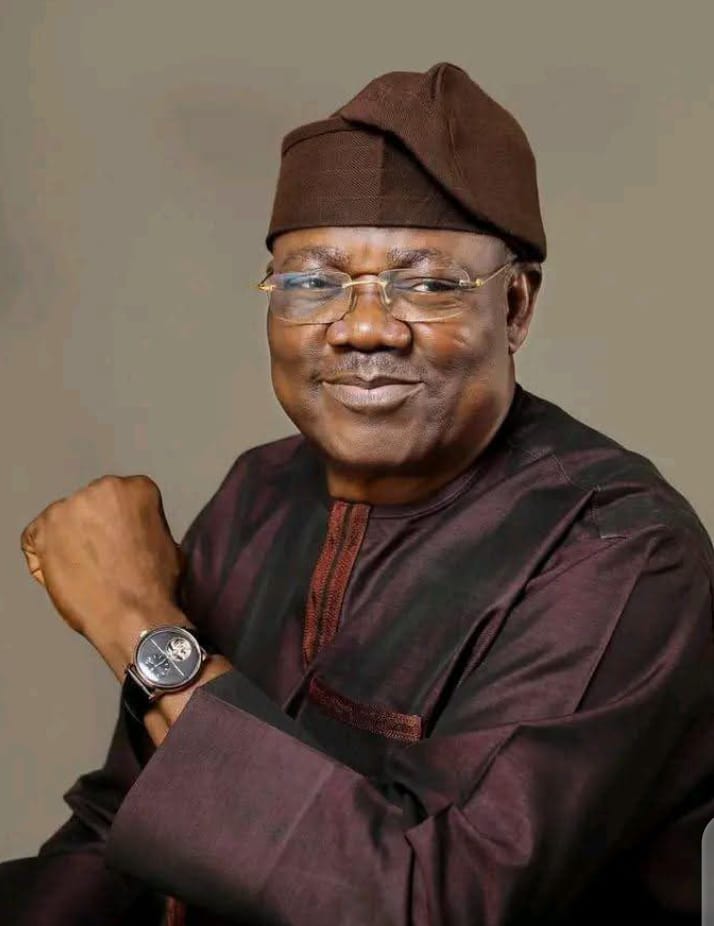
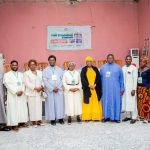
Among the prominent political figures who participated were the Accord Party governorship candidate in Taraba State, Professor Jerome Nyameh; Barrister Anfani Bandawa, the National Democratic Congress (NDC) candidate for Taraba North Senatorial District; Hon. Shima, a candidate for Bali/Gassol Federal Constituency under the Allied Peoples Movement (APM); and Cyrian Kamai, popularly known as Cypo, the All Progressives Grand Alliance (APGA) candidate for Jalingo State Constituency.
Also in attendance were the representative of the Secretary to the State Government, Very Rev. Fr. Patrick Mike; the Senior Special Assistant on Christian Matters, Rev. Fr. Cyracus Kamai; alongside other distinguished personalities and members of the Catholic community.
The programme featured opening prayers, welcome remarks by the CYON President, and a colourful cultural presentation by a Jenjo traditional dance troupe, reflecting the cultural diversity and heritage of Taraba State.
Delivering a presentation titled “Youth Participation in Politics in Taraba State,” Rev. Fr. Cyracus Kamai of St. Monica’s Parish, Namnai, challenged young people to take a more active interest in political processes and governance.
He stressed that political decisions have far-reaching consequences for the lives of young people, particularly in the areas of education, employment, economic opportunities, and social development.
According to him, the relevance of governance becomes more evident when young people complete their education but struggle to secure meaningful employment.
“When a young person finishes school and couldn’t find a job, governance matters,” he stated.
He encouraged the youths to understand that politics goes beyond elections and party affiliations, noting that active participation, constructive engagement, and accountability are essential ingredients of a functional democracy.
CANDIDATES FACE QUESTIONS ON THEIR POLITICAL AMBITIONS
A major highlight of the event was a special symposium session during which participating candidates were given the opportunity to explain their political ambitions, policy priorities, and development plans for the various offices and constituencies they intend to represent.
The interactive session also allowed the youths to ask questions, express concerns, and seek clarification on how the candidates intend to address unemployment, poverty, educational challenges, youth empowerment, and other pressing developmental issues.
In their respective responses, the candidates expressed their commitment to youth inclusion and promised to prioritise policies and programmes that would create opportunities for young people if elected in 2027.
Hon. Shima, described as the youngest among the participating candidates, called on young people to look inward and support emerging leadership from within their generation.
He argued that young people deserve greater opportunities to participate in decision-making, insisting that those who have personally experienced the challenges confronting the younger generation are better positioned to understand the need for meaningful change.
Shima explained that his personal experience with the difficulties of seeking employment in what he described as a sinking system had strengthened his determination to contribute to rebuilding society through effective political representation.
He expressed optimism that with collective support, responsible leadership, and increased youth participation, young people could become active contributors to the transformation of Taraba State.
Other candidates identified employment generation, scholarship opportunities, agricultural development, and support for farmers as critical areas requiring urgent attention.
They emphasised the need for policies that would expand economic opportunities, improve access to education, strengthen the agricultural sector, and enable young people to become productive contributors to the state’s economy.
YOUTH PARTICIPATION BEYOND ELECTIONS
The engagement underscored the growing importance of creating platforms where political candidates can directly interact with the electorate, particularly young people, who constitute an important segment of the voting population.
It also highlighted the responsibility of political aspirants to move beyond campaign promises by presenting practical, measurable, and sustainable development plans capable of addressing the needs of the people.
For CYON Jalingo Diocese, the initiative represents an effort to promote responsible citizenship, democratic values, and informed political participation among Catholic youths and the wider society.
As Taraba State gradually moves towards the 2027 general elections, the gathering served as a reminder that young people should not be treated merely as campaign supporters or instruments for political mobilisation, but as stakeholders whose voices, ideas, and aspirations must influence public policies and leadership decisions.
The central message of the engagement was that the future of Taraba State cannot be shaped without the active involvement of its young people.
Beyond choosing who governs, young people must be prepared to question candidates, scrutinise their manifestoes, demand accountability, and participate actively in the democratic process.
Through the initiative, CYON Jalingo Diocese has reinforced the call for a more inclusive political environment where youth development is not just an electoral promise but a fundamental priority in the governance and transformation of Taraba State.