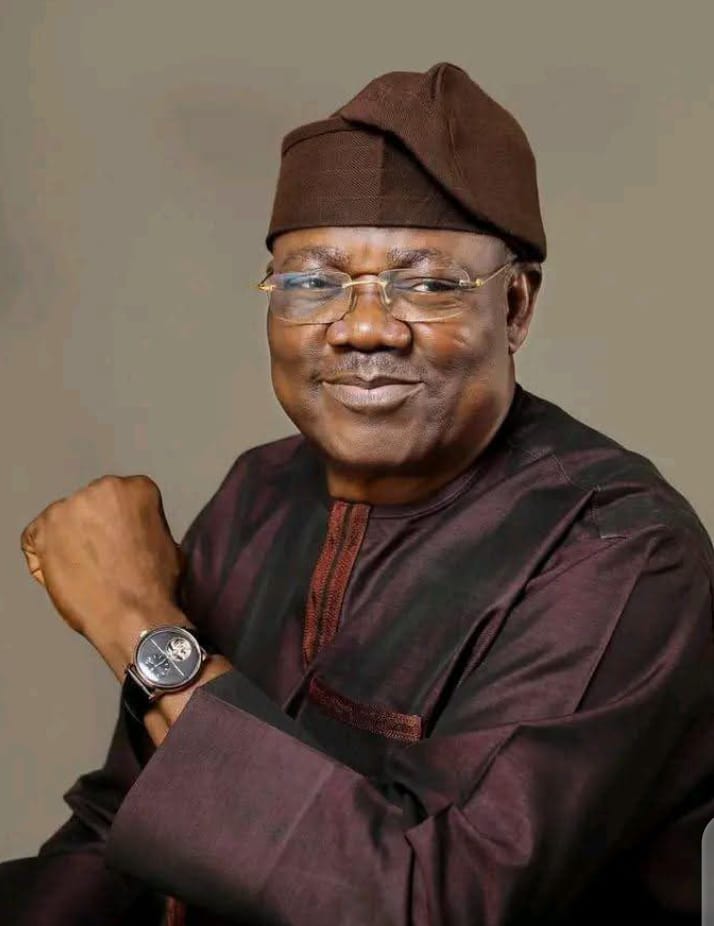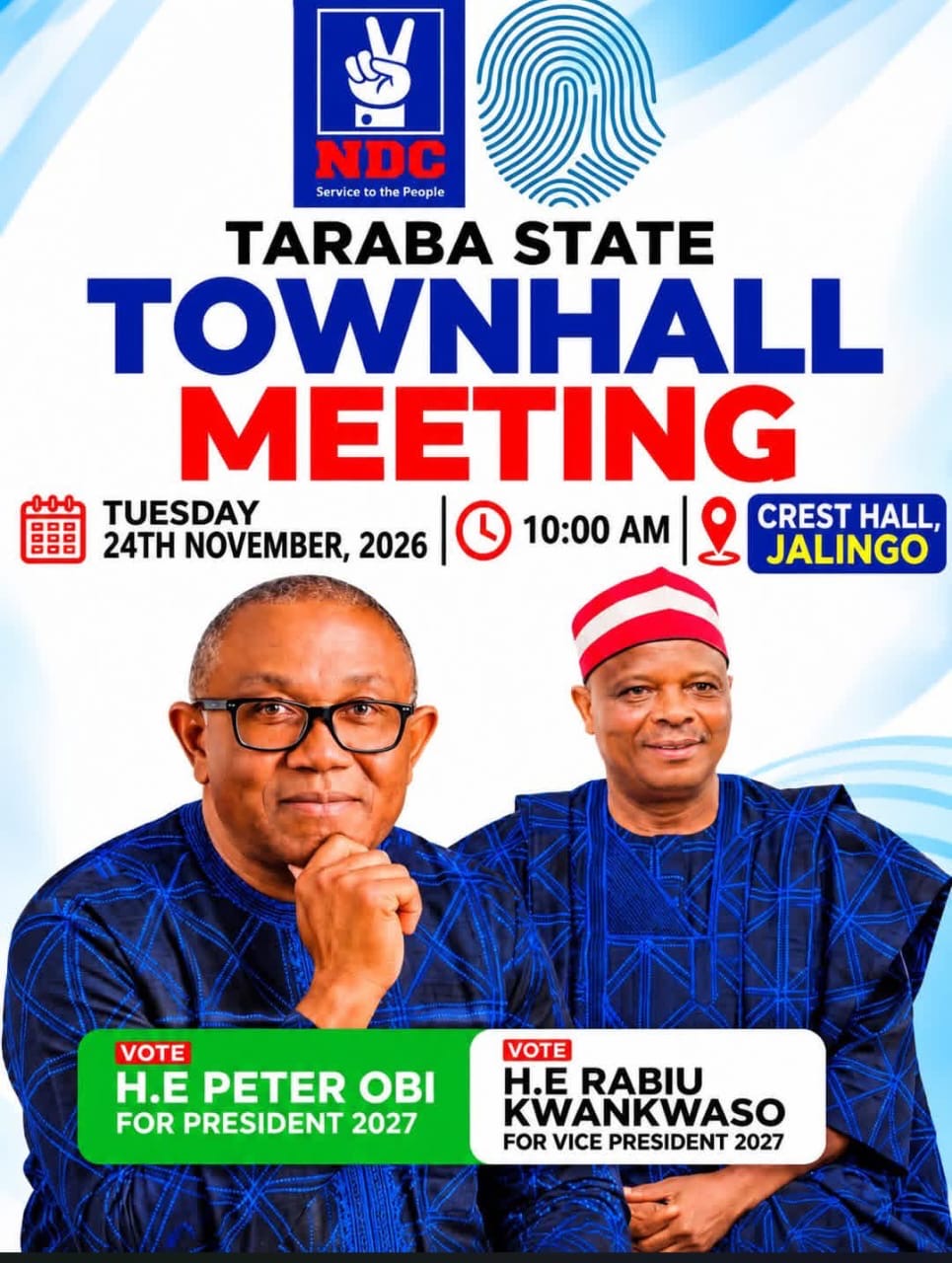






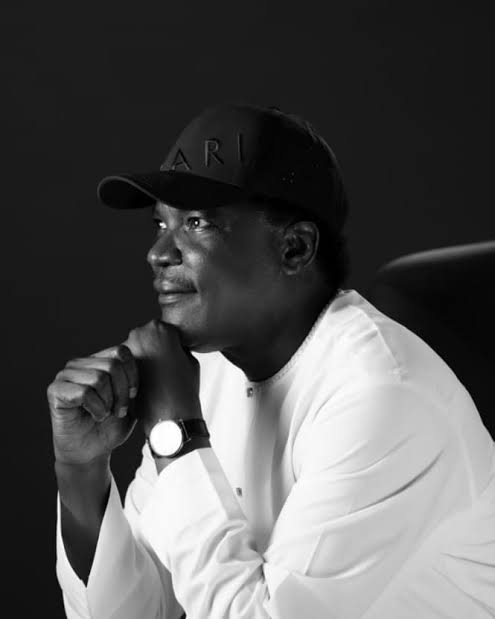
Adding a political dimension to the controversy, the Danji SS Campaign Council has criticized the Kefas administration over the worsening condition of tertiary education in the state, describing the situation as a serious governance concern.
In a statement signed by its Director of Media and Publicity, Mr. Emmanuel Umaru, the campaign council argued that lecturers should not be blamed for the crisis without addressing their longstanding grievances and welfare concerns.
The council raised questions about alleged unpaid pensions and gratuities, years of service by some lecturers without confirmation, outstanding Earned Academic Allowances and inadequate teaching and research facilities.
It also expressed concern over reports of lecturers working without essential laboratory reagents, adequate library materials and other facilities required for effective teaching and learning.
The campaign council further raised concerns about alleged premature graduations, questioning the possible implications for academic standards and the quality of graduates being produced.
WHERE IS THE MONEY?
Beyond the education crisis, the campaign council questioned the state’s reported financial inflows, borrowing arrangements and development financing.
Citing figures attributed to Budget and Agora Policy, it claimed that Taraba received ₦90.83 billion in the first half of 2026 and ₦135.29 billion between January and August 2026.
The council also demanded explanations regarding a reported ₦206.78 billion commercial facility involving Zenith Bank, UBA, Fidelity Bank and Keystone Bank.
It further questioned a $268 million financing arrangement reportedly signed with the ECOWAS Bank for Investment and Development in June 2026 for an industrial park, rice project and solar plant.
The campaign council also raised questions about a reported ₦50 billion development facility approved in 2023, alleging that only ₦15 billion was disbursed at an effective interest rate of 23 per cent, with concerns over the utilization of the funds.
It called for transparency regarding the state’s borrowing arrangements and the actual disbursement and utilization of the various financing facilities.
QUESTIONS OVER RECOVERED MINERAL RESOURCES
On mineral resources, the campaign council demanded an account of 22,373 kilograms of blue sapphire reportedly recovered at Mayo Sina in Sardauna Local Government Area in September 2023 by the state’s task force on illegal mining.
It questioned the whereabouts and management of the recovered minerals, demanding clarification on whether they had been sold, auctioned or transferred to another government agency and, if sold, how much revenue was realized.
The council also raised concerns about alleged losses from illegal mining and demanded greater transparency in the management of the state’s mineral resources.
It further criticized what it described as misplaced government priorities, raising questions about expenditure on official travels and government lodges outside the state.
The campaign council called on Governor Kefas to personally engage the affected unions, fully implement the relevant agreements, settle outstanding entitlements and publish a comprehensive account of the state’s financial inflows, loans and development financing arrangements.
THE BIG QUESTION: APPROVAL VERSUS IMPLEMENTATION
The three positions highlight the need for clarity between government approval, actual implementation and the outstanding demands of academic unions.
While approval letters indicate that Governor Kefas authorized the implementation of CATA, CONTA and EAA on October 3, ASUU maintains that the 2025 FGN/ASUU remuneration framework remains unimplemented at Taraba State University.
The government’s subsequent reaffirmation of the approval and establishment of an implementation committee indicate that steps have been taken administratively. However, the outstanding issue remains the actual execution of the approval and settlement of the affected workers’ entitlements.
The Danji SS Campaign Council, on its part, insists that the government must go beyond approvals and address broader concerns about staff welfare, institutional funding and public financial accountability.
It is also important to establish whether the grievances of the different unions across the affected institutions are identical or involve separate demands that require individual negotiations.
For thousands of students, however, the immediate concern remains the continued disruption of academic activities and uncertainty surrounding the resumption of schools.
With Taraba State University already on indefinite strike and other institutions experiencing industrial unrest or strike threats, stakeholders are increasingly concerned about the academic calendar and the future of students.
The situation calls for constructive engagement, transparency and a clear implementation timetable from the government, alongside a willingness by the unions to resolve outstanding issues through dialogue.
Ultimately, government approval must translate into actual implementation, while the unions and affected institutions must clearly communicate their outstanding demands.
Taraba’s tertiary education system cannot afford a prolonged shutdown. The welfare of lecturers, the future of students and the credibility of the state’s education policies are all at stake.
Taraba News editorial note: The report distinguishes the Governor’s October 3 approval from actual payment. It also attributes the financial, borrowing and mineral-resource allegations to the Danji SS Campaign Council rather than presenting them as independently established facts. This protects the credibility and balance of the publication.