


India Scholarship Controversy: Taraba Govt Defends Inclusion of Commissioner’s Son, Scholarship Official’s Daughter
Says officials’ children are Taraba indigenes, insists selection was merit-based as questions trail 100 postgraduate beneficiaries
By Taraba News
The Taraba State Government has defended the inclusion of children of senior government officials among beneficiaries of its postgraduate scholarship programme to India, insisting that being the child of a public office holder does not disqualify an eligible Taraba indigene from benefiting from a government scholarship.
The clarification followed controversy over the inclusion of Victor Mike Dio Jen, identified as the son of the Commissioner for Tertiary Education, Dr. Mike Dio Jen, and Zakariah Kwenjerimam Kurutsi, identified in a SaharaReporters report as the daughter of the Director of Students at the Taraba State Scholarship Board, among the 100 beneficiaries.
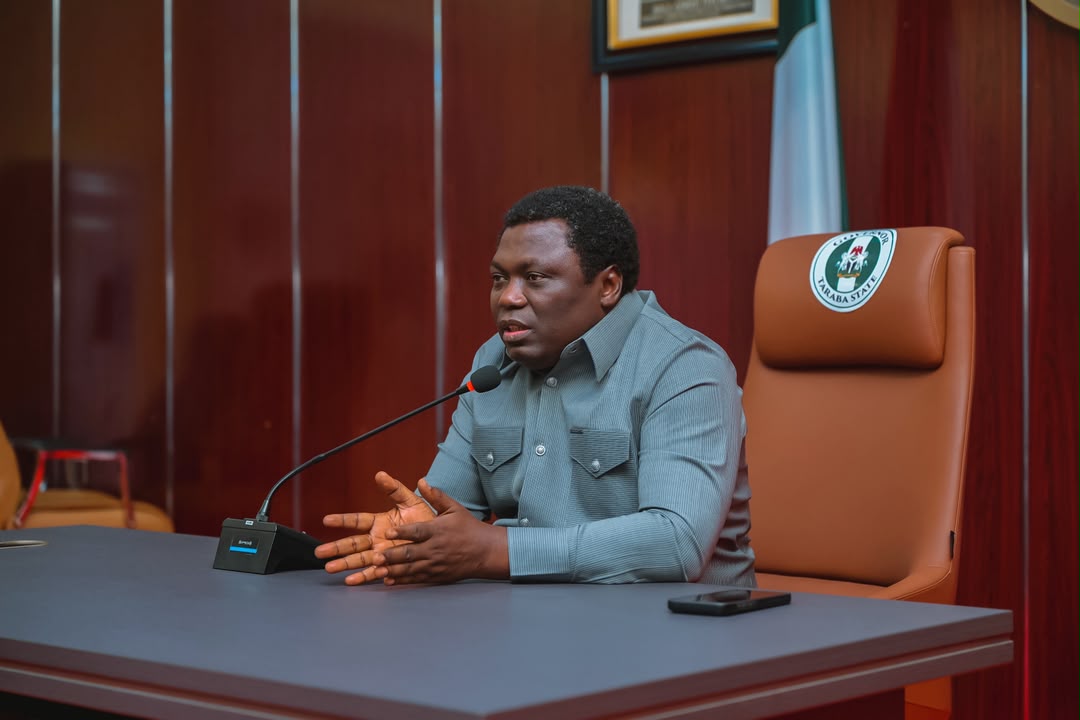
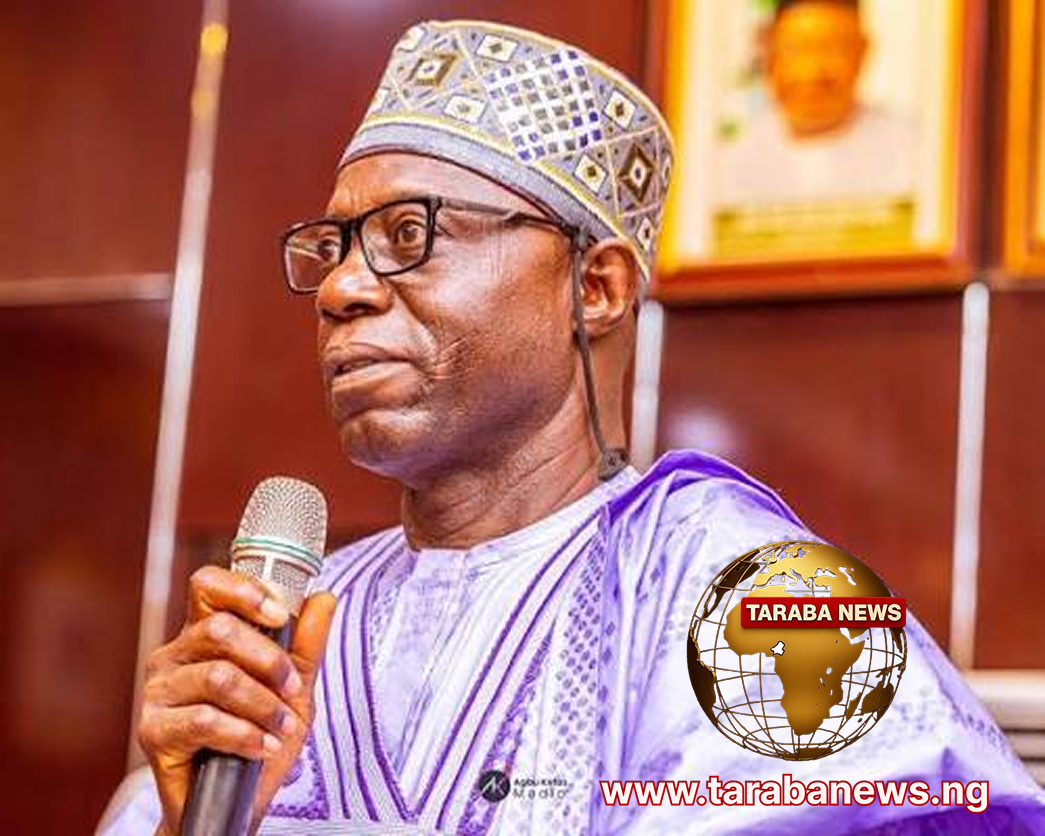
Responding to questions over the selection, Dr. Dio Jen maintained that the programme was publicly advertised and applications were submitted online through the Taraba State Scholarship Board.
According to him, the scholarship programme was initiated by Governor Agbu Kefas and was open to interested and qualified Taraba indigenes.
The commissioner said 10 applicants were initially shortlisted from each of Taraba’s 16 local government areas for interviews, after which five beneficiaries were selected from each council.
That process, he explained, produced about 80 beneficiaries, while the remaining 20 places were filled on merit rather than allocated as special slots to political office holders.
Dio Jen rejected suggestions that children of commissioners or other government officials should automatically be excluded from the programme.
“Our children, government officials, are they not indigenes of Taraba State?” the commissioner asked while defending the selection.
He argued that the relevant consideration should be whether applicants satisfied the requirements rather than the positions occupied by their parents.
According to him, the online application process did not distinguish between children of wealthy or poor families.
Govt Defends Abuja Accommodation
The state government also responded to complaints about the accommodation provided for the 100 beneficiaries currently in Abuja for visa processing and other pre-departure arrangements.
Reports had raised concerns that as many as three beneficiaries were being accommodated in a room while awaiting their departure for India.
Dio Jen said the government was paying about ₦30,000 per room, explaining that the arrangement was intended to prevent students, particularly those from less privileged families, from being stranded in Abuja.
He questioned whether it would be financially prudent for the government to provide an individual hotel room for each of the 100 beneficiaries.
According to him, the students have spent several weeks in Abuja undergoing processes connected with their planned departure.
The commissioner maintained that the temporary accommodation should be seen as government assistance rather than part of the scholarship entitlement.
Ministry Issues Rejoinder
In a separate statement issued on Monday, August 31, the Taraba State Ministry of Tertiary Education also defended the programme while acknowledging the right of citizens and the media to scrutinise government expenditure and scholarship selection.
The statement, signed by the ministry’s Public Relations Officer, Kasimu Zakari, described the initiative as the first international postgraduate scholarship programme of its scale undertaken by Taraba State since its creation in 1991.
The ministry said the 100 beneficiaries currently in Abuja were there primarily for visa processing and other preparations ahead of their departure to India.
It rejected descriptions suggesting that the students were being treated like “refugees”, maintaining that the temporary accommodation was designed to facilitate their travel arrangements while ensuring prudent management of public resources.
However, the ministry acknowledged that legitimate welfare concerns should be addressed.
It encouraged beneficiaries experiencing specific problems involving accommodation, feeding, allowances, documentation or equipment to report such complaints for investigation and appropriate action.
Questions Over Transparency Remain
Despite the government’s explanation, the inclusion of relatives of officials directly or indirectly connected with the education sector is likely to keep questions about the selection process in public discussion.
The central issue is no longer simply whether children of public officials are entitled to government scholarships — they are Taraba indigenes and cannot automatically be excluded on the basis of their parents’ positions.
The bigger transparency question is whether all 100 beneficiaries competed under the same clearly defined criteria and whether the final selection can withstand independent scrutiny.
Publication of the full list of beneficiaries, their local government areas, courses of study and the criteria used in scoring applicants could help address some of the concerns surrounding the programme.
For the Taraba State Government, however, the position remains that the selection process was open and merit-based and that children of government officials should not lose their rights as Taraba indigenes merely because their parents hold public office.
The controversy now puts greater attention on the administration’s ability to demonstrate that its landmark overseas scholarship programme was conducted transparently, fairly and without preferential treatment.
— Taraba News