
Riders:
– Declares free and comprehensive education from primary to secondary school
– Tertiary institutions across Taraba enjoy 50 per cent tuition reduction
– Government pays WAEC, NECO, BECE and NABTEB examination fees for three consecutive years
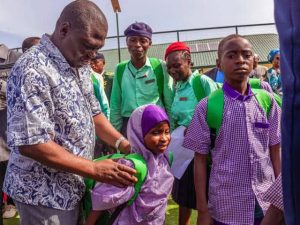
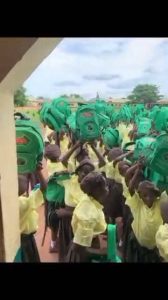
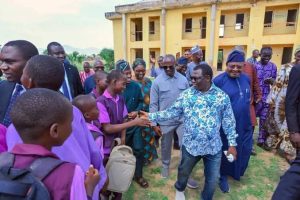
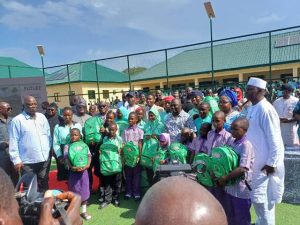
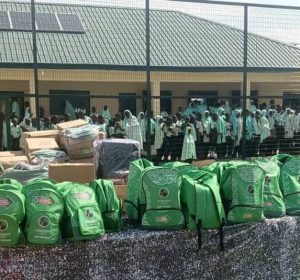
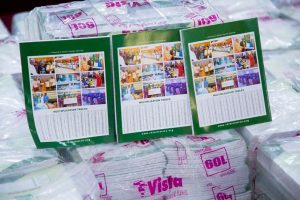
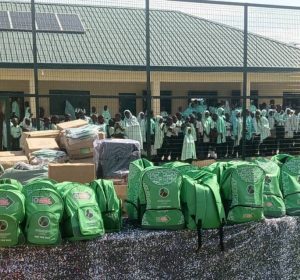
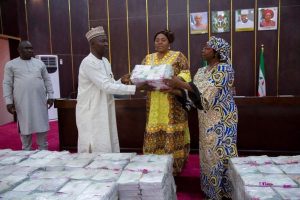
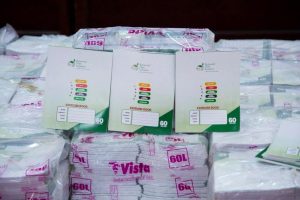
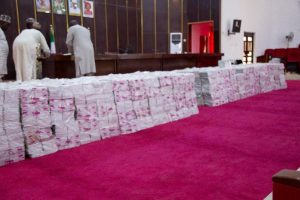
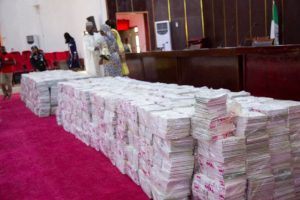
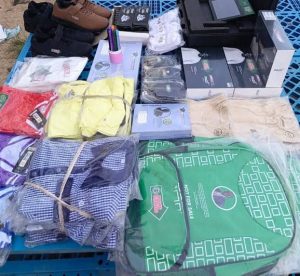
– Provides free textbooks, exercise books, uniforms, school bags, raincoats and other learning materials
– Education policy boosts enrolment, reduces out-of-school children and eases parents’ financial burden
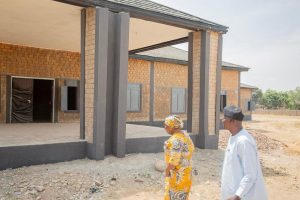
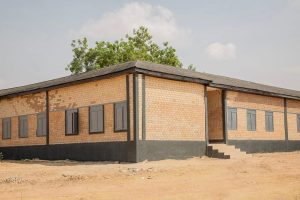
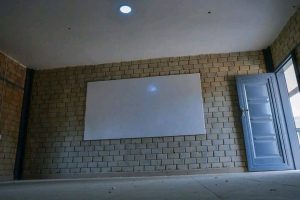
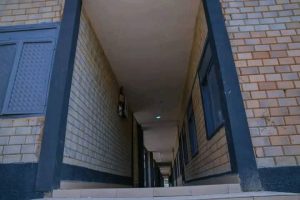
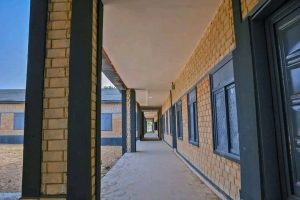
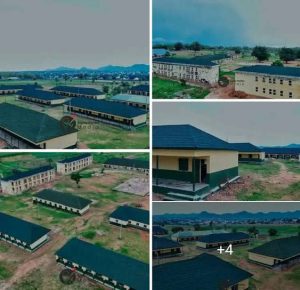
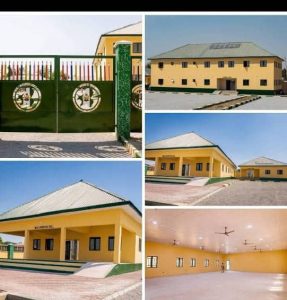
– Schools undergoing remodelling, with improved facilities and conducive learning environments
– Teachers benefit from the implementation of N30,000 and N70,000 minimum wage structures
– Government embarks on school census to establish a comprehensive education database
– Commissioner raises alarm over diversion and theft of free education materials
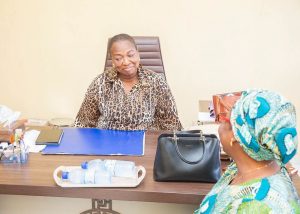
The strides recorded by Governor Agbu Kefas in the education sector are enough to earn him a second term in office, the Taraba State Commissioner for Secondary and Vocational Education, Dr. Augustina Godwin, has said.
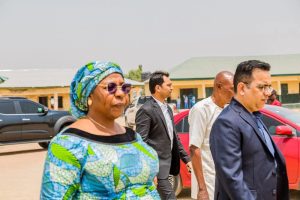
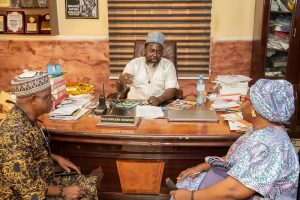
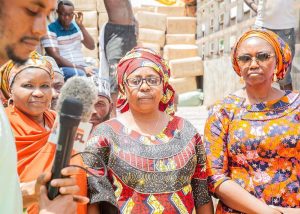
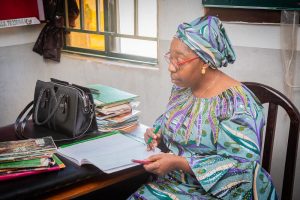
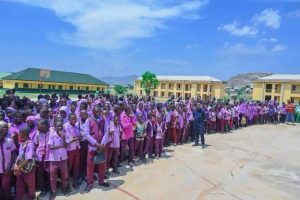
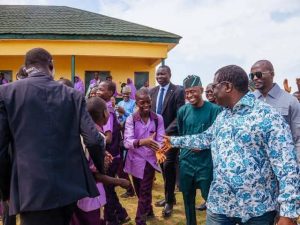
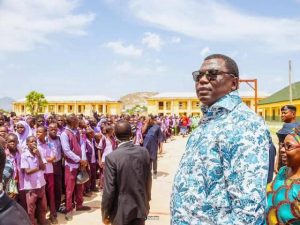
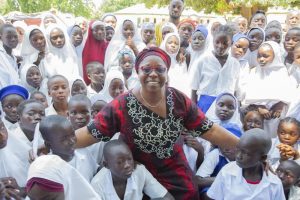
Dr. Godwin stated this while appearing as a guest on SUM TV’s *Politics Today*, where she highlighted the achievements of the Kefas administration in expanding access to education, improving school infrastructure, supporting teachers and reducing the financial burden on parents.
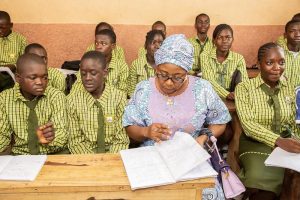
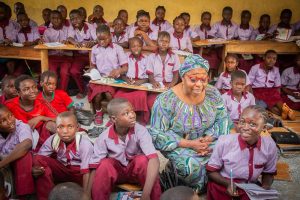
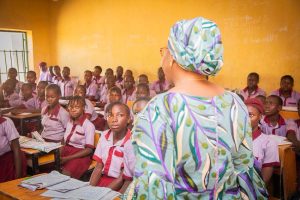
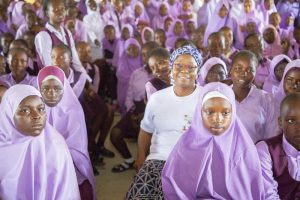
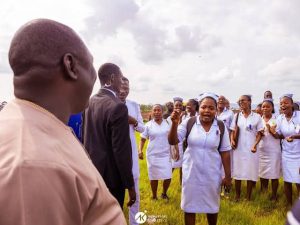
She described the governor’s free education policy as one of the administration’s most significant interventions, noting that it has provided children from disadvantaged backgrounds with greater opportunities to acquire formal education.
According to her, the government’s commitment to education goes beyond free tuition at the primary and secondary school levels to include examination fees, learning materials and other essential support for pupils and students across the state.
She noted that the administration had also implemented a 50 per cent reduction in tuition fees across tertiary institutions in Taraba, a measure aimed at making higher education more affordable for students and their families.
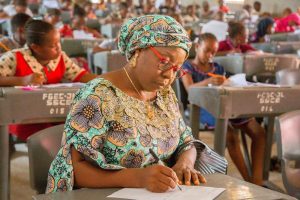
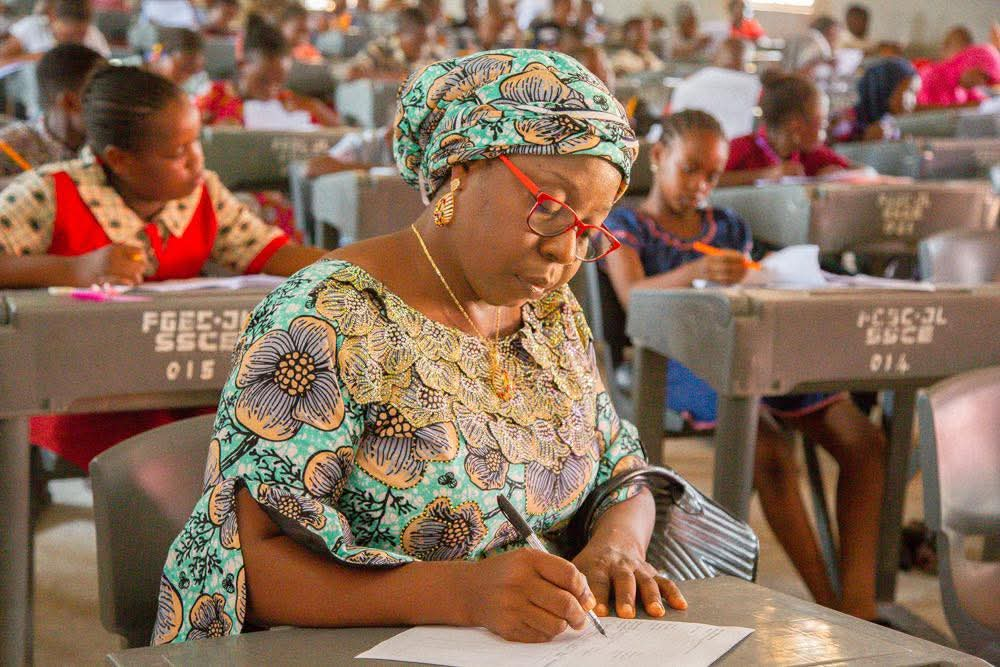
The commissioner explained that the government had paid examination fees for students sitting for the West African Senior School Certificate Examination (WAEC), National Examinations Council (NECO), Basic Education Certificate Examination (BECE) and National Business and Technical Examinations Board (NABTEB) examinations for three consecutive years.
She said the initiative had helped remove financial barriers that previously prevented some students from registering for critical examinations required for further education and career advancement.
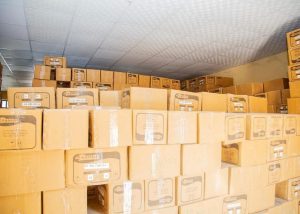
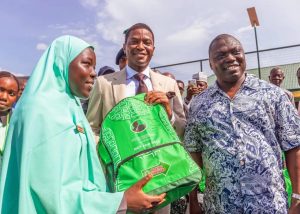
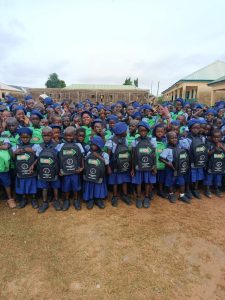
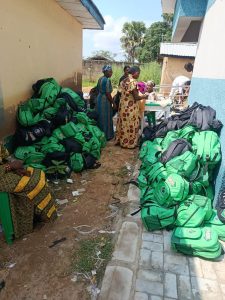
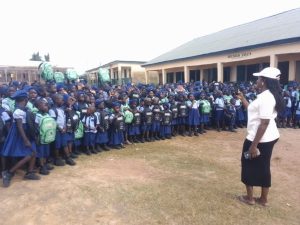
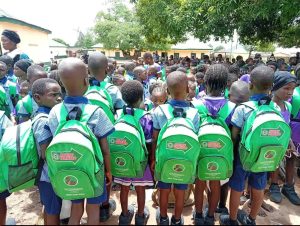
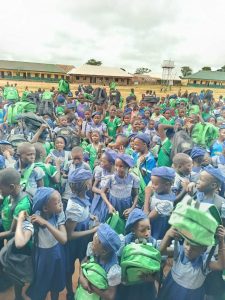
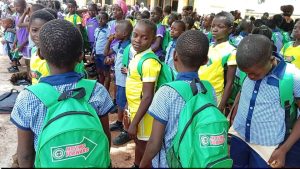
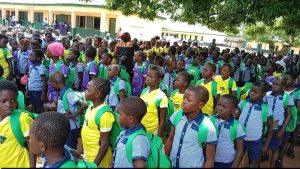
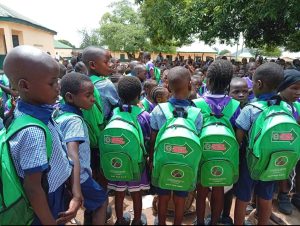
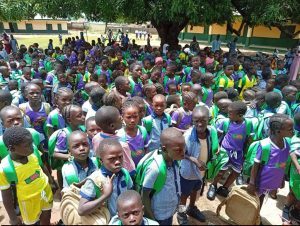
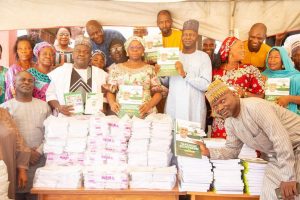
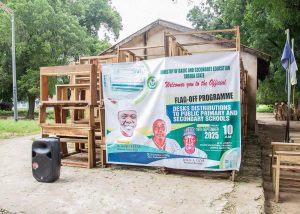
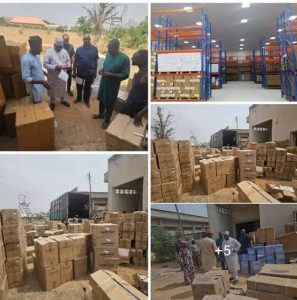
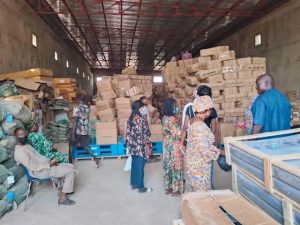
Dr. Godwin further disclosed that the state government had distributed free exercise books, textbooks, uniforms, school bags, raincoats and other learning materials to students across the state.
She said the interventions were designed to ensure that children from low-income households could attend school without their parents bearing the full cost of essential educational supplies.
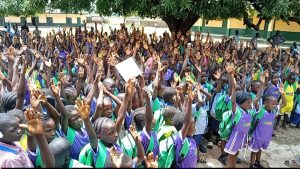
The commissioner identified increased school enrolment, a reduction in the number of out-of-school children and relief for parents struggling with school-related expenses as some of the benefits associated with the policy.
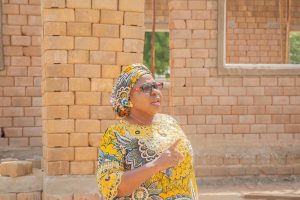
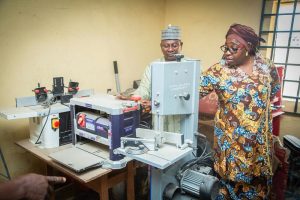
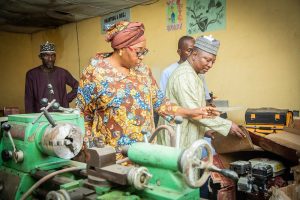
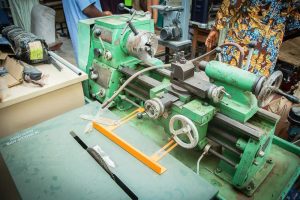
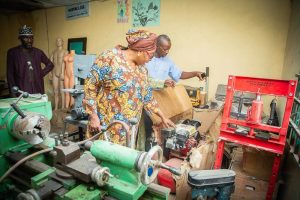
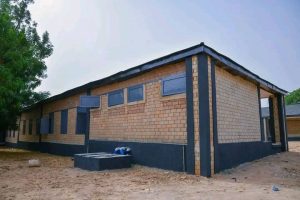
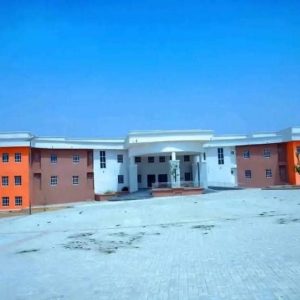
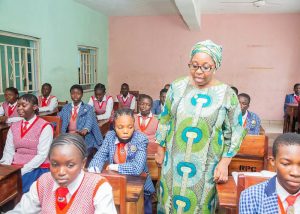
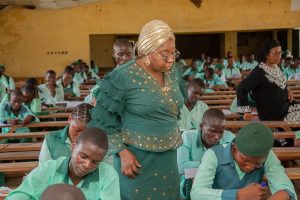
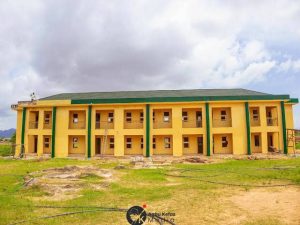
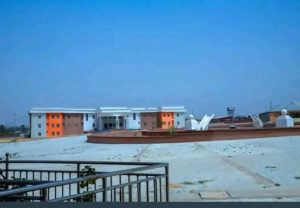
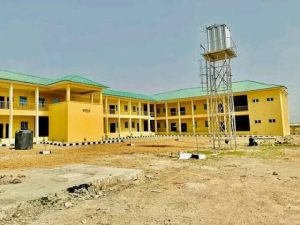
She added that the administration was investing in the remodelling and rehabilitation of schools, upgrading facilities and creating more conducive learning environments for pupils and teachers.
On teachers’ welfare, Dr. Godwin said the government had implemented the N30,000 and N70,000 minimum wage structures for teachers, describing improved remuneration as an important component of efforts to strengthen the education sector.
Government Begins School Census
The commissioner also disclosed that the state government was embarking on a comprehensive school census to establish a reliable database for schools across Taraba State.
According to her, the exercise would provide accurate information on schools and students, helping the government to identify educational needs, improve planning and make informed policy decisions.
She explained that reliable data on school enrolment, student population and available facilities would enable the government to allocate resources more effectively and identify gaps requiring urgent attention.
Dr. Godwin said the initiative was part of efforts to strengthen the planning and management of the state’s education system and ensure that government interventions reached their intended beneficiaries.
Commissioner Raises Alarm Over Diversion of Materials
The commissioner, however, expressed concern over alleged cases of theft and diversion of free education materials meant for pupils and students in public schools.
She lamented reports of the disappearance of educational materials and the alleged sale of items provided by the government, warning that such practices could undermine the objectives of the free education policy.
Dr. Godwin stressed that materials procured with public funds were intended to support teaching and learning and should not be diverted for personal gain.
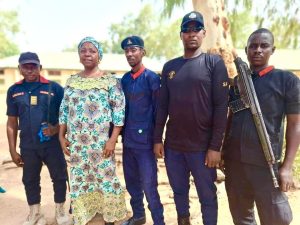
She disclosed that the government was working with the Safe Schools Project team and the Nigeria Security and Civil Defence Corps (NSCDC) to address security concerns and curb incidents threatening the effective implementation of the programme.
The commissioner called on stakeholders across the 16 local government areas of the state, including school administrators, teachers, parents, community leaders and other relevant groups, to support the government’s initiative by monitoring the distribution and use of educational materials.
She urged them to take ownership of the programme and report suspected cases of theft, diversion or unauthorised sales to the appropriate authorities.
According to her, protecting the materials and ensuring that they reach the intended beneficiaries is a collective responsibility that requires the active participation of communities and education stakeholders.
She maintained that the combination of improved access to education, infrastructural development, learning support and attention to teachers’ welfare demonstrated the administration’s commitment to transforming the sector.
Dr. Godwin expressed confidence that the achievements recorded in education would strengthen public support for Governor Kefas as Taraba State approaches the 2027 general elections.
She, however, emphasised that the sustainability of the policy would depend not only on government funding but also on effective monitoring, accurate data, accountability and the cooperation of stakeholders in safeguarding public educational resources.