



LIYATU CASE: COMMON GROUND REPORT DEMANDS ACCOUNTABILITY AS TARABA NHRC DENIES WRONGDOING
JALINGO — The Taraba State Office of the National Human Rights Commission, NHRC, has denied any wrongdoing in the handling of the case involving Liyatu, saying its staff, Barrister Ikrimah Ibrahim Isa, did not commit any misconduct in connection with the matter.
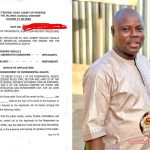
The clarification followed a demand for accountability by Common Ground Report Limited, which, in a letter dated September 14, 2026, accused the Commission of irregularities in the handling of the case and demanded explanations over the prosecution and custody of a woman identified as Blessing.
Common Ground Report, in the letter addressed to the NHRC State Coordinator in Taraba, raised concerns over what it described as disturbing developments surrounding the case, including the contents of the charge sheet and Blessing’s legal and custodial status.
The organisation specifically demanded a written explanation for the alleged absence of counts relating to defilement of a minor and conspiracy to defile a minor in the charge sheet prepared by Barrister Ikrimah Ibrahim Isa.
It also demanded clarification on Blessing’s legal and custodial status, assurance that no action had been taken to undermine Liyatu’s right to justice, and confirmation that subsequent legal proceedings would be conducted transparently, lawfully and in the best interests of the minor.
Common Ground Report said Liyatu’s parents were seeking justice and not financial settlement, adding that the circumstances surrounding the case warranted continued public scrutiny.
The organisation gave the NHRC seven days to respond, warning that it would escalate the matter to the Executive Secretary of the Commission in Abuja and other lawful accountability mechanisms if it established further irregularities.
NHRC: BLESSING IS IN COURT CUSTODY
Responding to the concerns, the Taraba State NHRC told Taraba News that Blessing is in the custody of the court and that the Commission does not have the power to remove an accused person from prison, contrary to suggestions that it could have intervened in her custody.
The Commission explained that its assistance was sought during the arrest of Blessing, but stressed that such assistance did not amount to taking over the case or assuming custody of the accused person.
It said the Commission has not been handling the case as a prosecuting institution and therefore could not independently order the release or transfer of an accused person who is under the authority of the court.
The NHRC also rejected any suggestion that Barrister Ikrimah Ibrahim Isa had tampered with the matter, maintaining that its staff acted within the limits of their responsibilities.
COURT ORDERED HOSPITALISATION OF BLESSING AND CHILD
The Commission further explained that the movement of Blessing and the child to a medical facility was based on a court order.
According to the NHRC, the court directed that Blessing and the child be taken to hospital after the child reportedly became sick while in prison.
The Commission said both Blessing and the baby were subsequently admitted at Jaji Memorial Hospital in the Sabon Gari area of Taraba State.
It therefore maintained that the NHRC was not responsible for removing Blessing or the child from custody, but that the action followed the directive of the court.
NHRC SAYS CASE INVOLVES OTHER AUTHORITIES
The Commission said there was no reason for it to interfere with the case, particularly as other relevant government institutions are involved.
It pointed to the involvement of the Taraba State Commissioner for Women Affairs and Child Development and said the Chief Judge of Taraba State had personally re-allocated the case to the Deputy Registrar of the State High Court, identified as Her Ladyship Victoria.
The Commission said these developments demonstrate that the matter is already receiving judicial attention.
It further disclosed that the court had written to the police requesting an investigation into the matter.
COMMISSION SAYS IT IS MONITORING THE CASE
While distancing itself from responsibility for the prosecution of the case, the NHRC said it was monitoring developments because of the human-rights implications involved.
The Commission clarified that the matter was not officially brought before it as a case for full investigation, but said its mandate requires it to remain attentive to allegations that may affect the rights of vulnerable persons.
It maintained that it would continue to monitor the situation within the limits of its statutory powers.
NO INSTITUTION ABOVE SCRUTINY — COMMON GROUND REPORT
In its letter, Common Ground Report maintained that public institutions must be accountable when concerns are raised over the treatment of vulnerable persons.
The organisation said the NHRC was established to protect human rights and should therefore be prepared to provide answers whenever questions arise about the handling of a case involving a child.
It warned that any action or omission that creates the impression that a victim’s voice is being weakened could undermine public confidence in the institution.
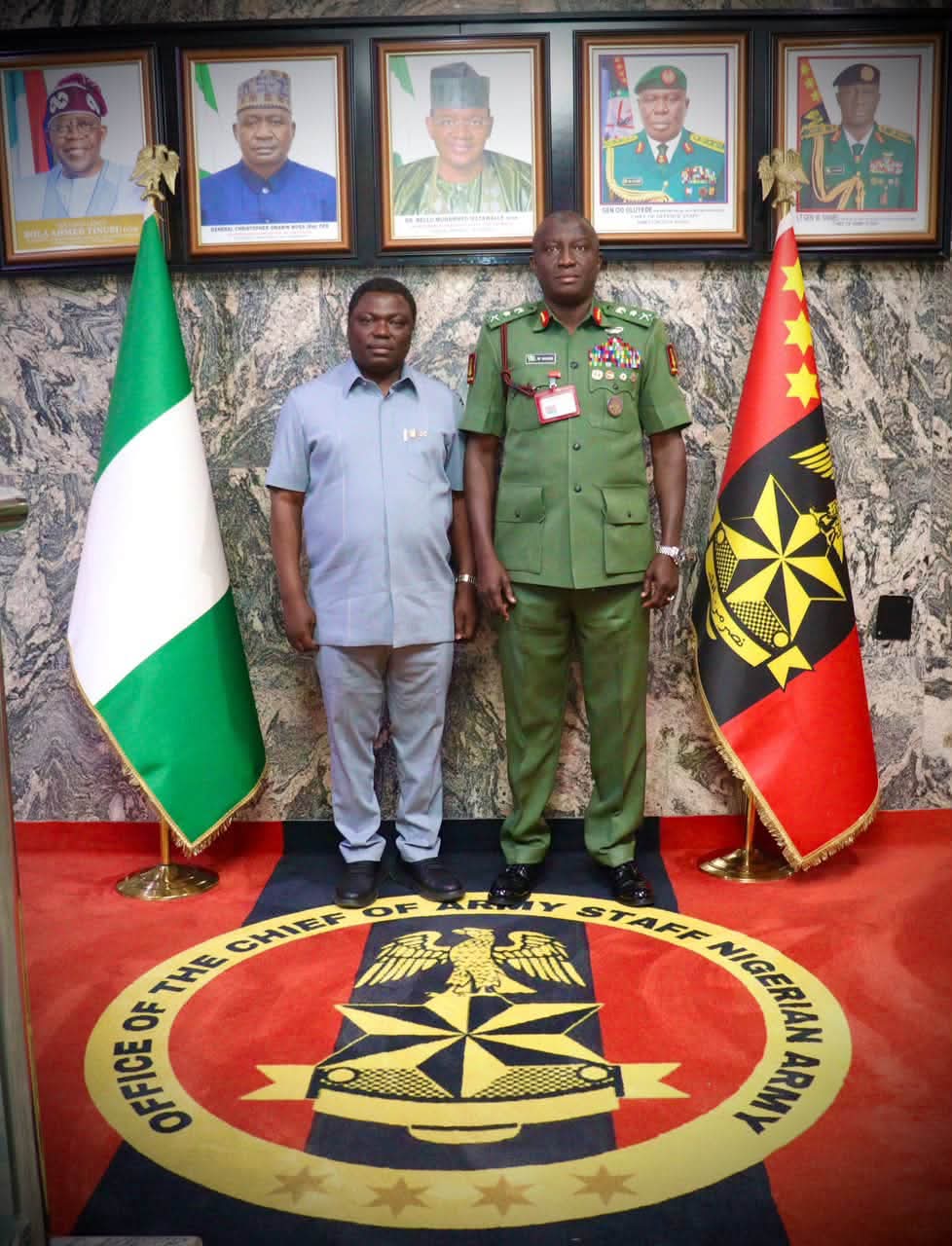
The organisation also said it was aware that the Nigerian Army had acknowledged complaints connected to the matter and that relevant authorities were paying attention to developments.
NHRC REAFFIRMS COMMITMENT TO HUMAN RIGHTS
The Taraba State NHRC, meanwhile, assured the public that it would continue to discharge its constitutional and statutory responsibilities of protecting human rights and ensuring that the rights of individuals are not violated.
The Commission urged the public to distinguish between its human-rights monitoring role and the responsibilities of the courts, police and other agencies directly involved in criminal proceedings.
The controversy over the handling of Liyatu’s case has therefore produced two distinct positions: Common Ground Report is demanding greater accountability and clarification, while the NHRC is denying wrongdoing, defending its staff and insisting that Blessing remains under court custody.
With the police reportedly asked to investigate aspects of the matter and the case before the court, further developments from the relevant authorities are expected to clarify the outstanding issues.
The allegations raised by Common Ground Report are claims contained in its letter and have not, in themselves, established wrongdoing. The NHRC’s response represents the Commission’s position, while the outcome of any investigation and the court proceedings will determine the facts and legal issues involved.