




Association urges competitive remuneration, improved medical education and urgent action to stem brain drain
The Nigerian Medical Association (NMA) has called on the Federal Government, state governments, hospital administrators and other relevant stakeholders to improve doctors’ welfare, strengthen workplace security and provide internationally competitive remuneration to address the growing migration of Nigerian medical professionals.
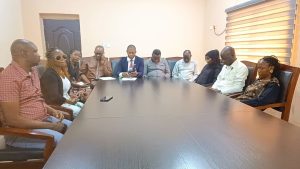
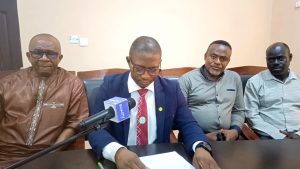
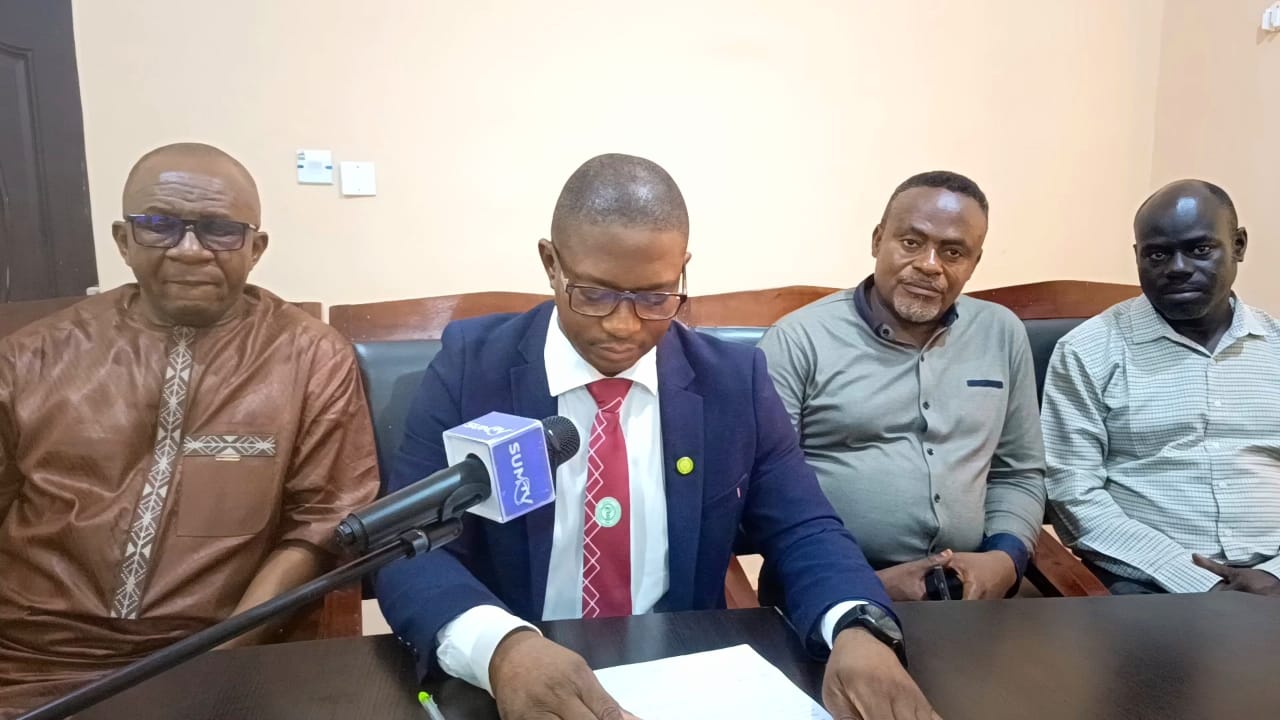
The call was made during the 2026 Physicians’ Week in a presidential address delivered by the Chairman of the NMA Taraba State Branch, Dr. Bitrus Atizwen Daniel, on behalf of the NMA National President, Dr. (Prof.) Afekhide Ernest Omoti.
The address, themed “Securing the Future of Medicine in Nigeria,” examined the challenges confronting the medical profession and outlined measures needed to protect doctors, improve healthcare delivery and prepare the next generation of physicians for an evolving medical environment.
The association identified increasing workloads, inadequate infrastructure, insecurity, declining remuneration, professional burnout, rising health risks among physicians and the migration of medical personnel as major threats to the sustainability of Nigeria’s healthcare system.
According to the presidential address, securing the future of medicine requires deliberate action, strategic investment, courageous advocacy and collective responsibility rather than merely hoping for improved conditions.
“Medicine in Nigeria stands at a crossroads. We are proud of our achievements, our resilience and our capacity to deliver under difficult circumstances. Yet we must also acknowledge the realities confronting our profession,” the address stated.
NMA Raises Alarm Over Doctors’ Wellbeing
The association expressed concern over the physical and psychological pressures facing Nigerian doctors, warning against the misconception that professional dedication requires physicians to work continuously at the expense of their health.
It stressed that exhausted, emotionally depleted and chronically stressed doctors cannot indefinitely deliver the quality of care patients deserve.
The NMA therefore called for a change in workplace culture to encourage doctors to speak openly about burnout, seek medical attention when necessary and access confidential psychological support without fear of stigma or professional discrimination.
It also advocated regular medical examinations, adequate rest, healthy lifestyles, reasonable working hours and improved staffing levels as essential measures for preventing cardiovascular diseases, burnout and premature deaths among medical professionals.
The association maintained that doctors’ wellbeing should be treated as a fundamental component of patient safety and overall health-system performance, rather than an optional benefit.
It warned that a healthcare system that protects everyone except the professionals responsible for delivering care is neither sustainable nor effective.
Demands Safer Working Environments
Beyond welfare, the NMA called for stronger measures to protect doctors and other healthcare workers from threats, intimidation, assaults and other forms of workplace violence.
It urged government authorities, hospital administrators, security agencies and professional regulators to establish practical and enforceable mechanisms for safeguarding medical personnel.
The association also called for functional hospital infrastructure, adequate medical equipment, decent accommodation where necessary and improved conditions of service commensurate with the responsibilities borne by physicians.
It emphasised that hospitals must remain places of healing rather than environments where healthcare workers face avoidable risks to their personal safety.
“The safety of doctors is not negotiable. And when doctors are safe, patients are safer,” the address declared.
Brain Drain: NMA Calls for Competitive Remuneration
Addressing the persistent migration of Nigerian doctors to other countries, the association acknowledged that the quality of medical training in Nigeria has produced competent, adaptable and resilient physicians who are increasingly sought after internationally.
However, it questioned why many highly trained professionals feel compelled to seek better opportunities abroad.
The NMA argued that appeals to patriotism alone would not stem the exodus of medical personnel without corresponding improvements in remuneration, professional dignity, job security, career development and working conditions.
It urged the government to create a healthcare environment in which doctors can build rewarding careers and provide for their families without being forced to seek opportunities elsewhere.
The association further advocated brain-retention and brain-recirculation strategies that would enable Nigerian doctors in the diaspora to contribute their expertise, research capacity, investments and international professional networks to the country’s healthcare development.
Such collaboration, it noted, could benefit Nigeria whether diaspora physicians return permanently or participate through structured partnerships.
Advocates Digital Health and Medical Innovation
On the future of healthcare delivery, the NMA called for the integration of artificial intelligence, telemedicine, electronic medical records, digital diagnostics, remote patient monitoring and other emerging technologies into Nigeria’s healthcare system.
The association observed that technological advancement is rapidly transforming medical practice worldwide and warned that Nigeria cannot afford to remain at the margins of this transformation.
It maintained, however, that technology must support rather than replace the human relationship between doctors and patients.
The address called for appropriate ethical and regulatory frameworks to protect patient confidentiality, promote accountability, prevent discrimination and ensure that technological innovations do not widen the gap between urban and rural healthcare services.
It also highlighted the need to equip future physicians with competencies in data science, clinical informatics, cybersecurity, research methodology, health economics, communication, leadership and interdisciplinary collaboration.
According to the association, the future of medicine belongs to professionals who can combine clinical expertise with technological competence, ethical responsibility and compassion.
Calls for Reforms in Medical Education
The NMA also stressed the need to modernise medical education to prepare students and young doctors for the realities of healthcare in the coming decade.
It called for stronger undergraduate and postgraduate medical training, improved teaching hospitals, sustained research funding and better support for professors, consultants, lecturers and other medical educators.
The association advocated the adoption of simulation-based learning, digital education, virtual collaboration, competency-based training and interdisciplinary approaches while insisting that the integrity and standards of medical education must not be compromised.
It further urged medical schools to expand training in artificial intelligence, digital health, preventive medicine, research, innovation, entrepreneurship and health-system leadership.
The NMA maintained that medical graduates must be equipped not only to diagnose and treat illnesses but also to conduct research, solve problems, lead institutions and adapt continuously to changes in medical practice.
NMA Reaffirms Commitment to Doctors and Patients
The presidential address reaffirmed the association’s commitment to defending the dignity of the medical profession, promoting ethical practice, advocating improved doctors’ welfare, contributing to health policy and protecting patients’ access to quality healthcare.
It also called for greater unity among doctors across public and private practice, academia, research, retirement and the diaspora, noting that collective action would strengthen the profession’s voice.
The association urged chief executives of hospitals to take practical steps to improve doctors’ safety and working conditions, while calling on government to provide competitive remuneration capable of reducing the alarming rate of medical emigration.
In its concluding remarks, the NMA stressed that securing the future of medicine goes beyond protecting the profession; it also means ensuring that every Nigerian can access quality healthcare regardless of geographical location or social circumstances.
It called for a healthcare system that provides safe and dignified care for pregnant women, compassionate treatment for elderly patients, quality medical education for students and rewarding professional opportunities for young doctors.
The address concluded with a renewed commitment to protecting physicians’ welfare, embracing innovation without sacrificing humanity and building a stronger, more sustainable healthcare system for Nigeria.
The presidential address was delivered by Dr. Bitrus Atizwen Daniel, Chairman of the NMA Taraba State Branch, on behalf of the association’s National President, Dr. (Prof.) Afekhide Ernest Omoti, as part of activities marking the 2026 Physicians’ Week.