





Taraba News
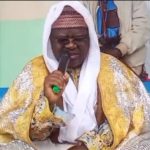
The Chairman of the Academic Staff Union of Universities (ASUU), Taraba State University (TSU) branch, has challenged government to identify the specific provision of the Nigerian Constitution that makes the union’s industrial action unconstitutional simply because it coincided with examinations.
Reacting to the criticism of the strike timing, the chairman questioned why lecturers should be faulted for embarking on industrial action without considering the unresolved grievances that led to the dispute.
Drawing comparisons with other professions, he asked whether doctors must wait until everyone is healthy before going on strike, judicial workers must conclude all pending cases, or police officers must eliminate every security threat before exercising their right to industrial action.

15 Questions for Gov. Kefas
The ASUU chairman raised 15 questions bordering on the government’s response to the union’s ultimatums, negotiations and the circumstances leading to the strike.
Among other things, he asked:
1. What action did the government take when the first ultimatum was issued?
2. What concrete steps followed the final ultimatum?
3. What happened during the additional two weeks requested by the government?
4. Was the government unaware that examinations were approaching?
5. Why was timely engagement not used to prevent the strike?
6. What measures were taken to avert the industrial action?
7. Which of the lecturers’ demands had been resolved before the strike?
8. What commitments were made during negotiations?
9. Should the consequences of the strike be discussed without examining its causes?
10. What timelines has the government established for resolving the dispute?
11. Must doctors wait until everyone is healthy before embarking on strike?
12. Must judicial workers conclude every pending case before taking industrial action?
13. Must police officers eliminate all criminal activities before embarking on strike?
14. Which constitutional or labour law provision prohibits strikes during examinations?
15. Why should lecturers be treated differently from other public-sector professionals, and should government not also be held accountable for unresolved grievances?
‘Industrial Disputes Do Not Happen in a Vacuum’
The chairman maintained that industrial disputes are usually preceded by unresolved grievances, negotiations and ultimatums, insisting that the timing of the strike should not overshadow the events that led to it.
He argued that the government should also be questioned over its failure to resolve the dispute despite earlier warnings and opportunities for intervention.
He concluded with a sharp remark: “I see now why we are where we are. Capacity ɓani!”
Government Appeals for Suspension of Strike
Governor Kefas had earlier appealed to the striking lecturers to suspend their action, assuring them that his administration was willing to address their demands, including outstanding allowances.
The governor also disclosed that a committee had been constituted to review the union’s grievances and the university’s salary and allowance structure.
However, the ASUU chairman’s response has renewed attention on the government’s handling of the dispute before the strike commenced.
The major concern remains resolving the disagreement, restoring academic activities and preventing further disruption to students’ education.