



Taraba Begins 2027 Budget Consultation, Seeks Citizens’ Input
Stakeholders urged to identify realistic priorities for inclusion in Appropriation Bill
By Our Correspondent
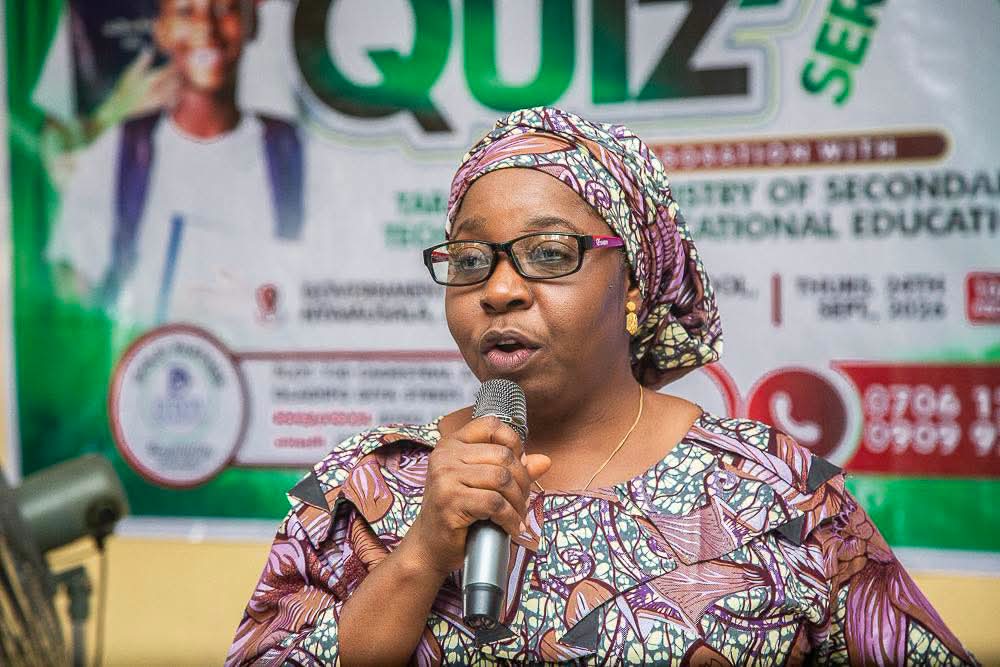
The Taraba State Government has commenced zonal consultations with citizens and key stakeholders as part of preparations for the 2027 Appropriation Bill, with the Commissioner for Finance, Budget and Economic Planning, Dr. Sarah Enoch Adi, describing citizens’ participation as a critical foundation for credible and responsive budgeting.
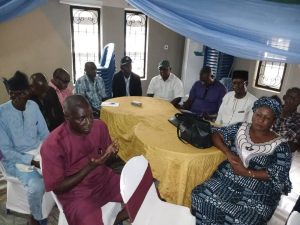
Dr. Adi stated this at the 2027 Citizens Engagement Budget Consultation Forum held in Wukari, where she said the exercise was designed to provide communities with an opportunity to identify and communicate their priority needs to government before the budget is finalised.
Represented by the Permanent Secretary in the ministry, Mr. Douglas Kisava, the commissioner said the state government remained committed to a bottom-up approach to budget preparation, stressing that effective planning must begin with a solid understanding of the needs of the people.
She urged participants to make realistic and development-oriented submissions that would assist government in allocating its limited resources to areas of greatest need.
According to her, development should not be measured solely by physical infrastructure, noting that investments in human capital, education and capacity building were equally important to the long-term growth of the state.
She cited the state government’s investment in postgraduate education and the training of public officials as examples of human capital development which might not immediately produce visible infrastructure but remained essential to building a productive and competent workforce.
Dr. Adi added that the administration was strengthening the capacity of the civil service through training and retraining, stressing that a competent workforce was necessary for the effective implementation and sustainability of government programmes.
She therefore called on stakeholders to use the consultation process to present credible and achievable priorities that could guide the preparation of the 2027 budget and improve development outcomes across the state.
Wukari Council Chairman Commends Initiative
Earlier, the Chairman of Wukari Local Government Area, Hon. Bala Huissaini, commended the state government for adopting a bottom-up approach to budget preparation.
Huissaini said the initiative would enable citizens to contribute directly to the identification of projects and programmes capable of addressing their immediate needs.
He called on traditional rulers, community leaders, women and youth groups, persons with disabilities and other stakeholders to actively participate and make meaningful contributions to the consultation.
Traditional Council Seeks Realistic Demands
Also speaking, the President of the Taraba State Traditional Council of Chiefs, His Majesty Dr. Ishaku Adda Ali, commended Governor Agbu Kefas for involving citizens in the budget preparation process.
The monarch said consulting the people would enable government to better understand their needs and priorities before committing public resources.
He, however, urged stakeholders to make realistic demands, taking into consideration the state’s available resources and competing development needs.
He said: “We will tell him our requirements, we will tell him our needs, our priorities. By so doing, he is going to do whatever we want, not what he wants.”
Adda Ali urged stakeholders to ensure that their submissions reflected genuine community needs and were projects and programmes that could realistically be implemented within available resources.
CSOs Urge Citizens to Monitor Budget Implementation
In his remarks, the Chairman of the Coalition of Civil Society Organisations in Taraba State, Dr. Joseph Gimba, urged citizens to take ownership of the budget process by identifying projects according to the level of government responsible for their implementation.
Dr. Gimba advised communities to distinguish between projects that could be handled by local governments and those requiring state or federal government intervention.
He also called on citizens to monitor projects captured in the approved budget, stressing that public participation should not end with the submission of proposals.
According to him, civil society organisations in the state have contributed to several policy initiatives, including the renaming of the College of Agriculture to the College of Agriculture, Science and Technology, as well as the establishment of the Taraba State Disability Commission.
TSU Holds 11th Inaugural Lecture, Highlights Mangroves as Shield for Nigeria’s Shores
Dr. Gimba further urged local government authorities to strengthen community-level consultations through Community Development Officers, so that grassroots needs could be properly documented and forwarded for consideration during budget preparation.
He said the state’s continued practice of involving citizens in budget preparation had contributed to its performance in budget transparency assessments and urged stakeholders to sustain the process.
Consultation Covers Five LGAs
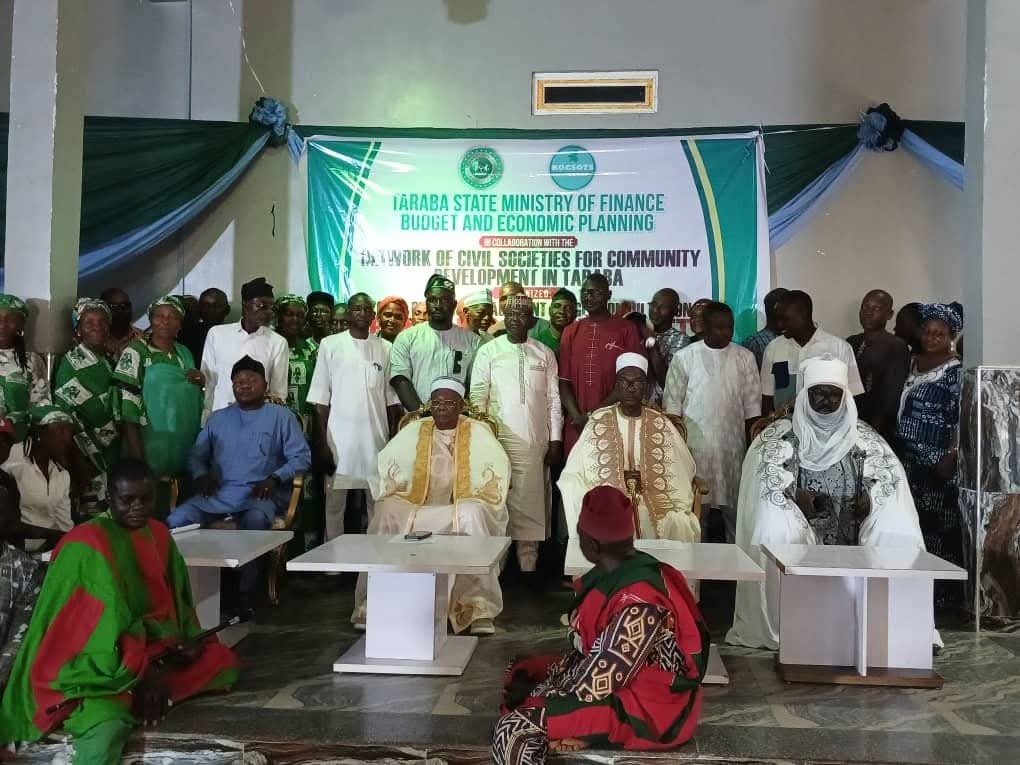
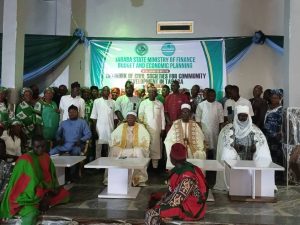
The two-day zonal consultation, organised by the Taraba State Ministry of Finance, Budget and Economic Planning in collaboration with the Network of Civil Society for Community Development in Taraba, commenced in the Southern Taraba Zone.
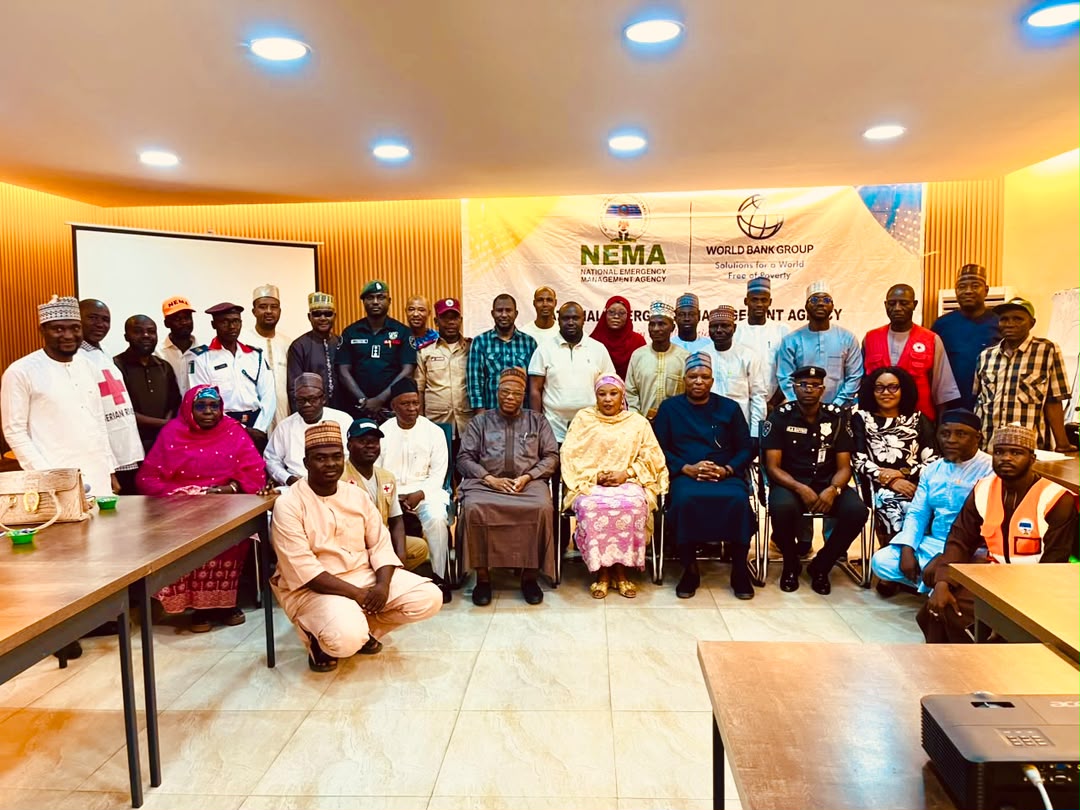
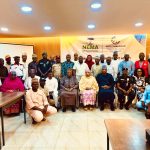
The forum brought together women and youth groups, persons with disabilities, religious and community leaders, traditional rulers, local government chairmen and other stakeholders from Wukari, Donga, Takum, Ussa and Ibi Local Government Areas.
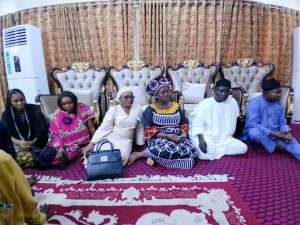
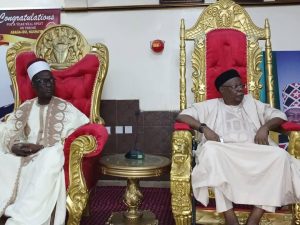
The ministry’s delegation also paid a courtesy visit to the Wukari Local Government Chairman and the traditional council, where stakeholders commended the initiative and pledged their support for the administration’s development agenda.
The consultation is expected to provide government with grassroots perspectives that will inform the preparation and prioritisation of projects and programmes in the 2027 Taraba State budget.