








By Martins Abochol
JALINGO, Nov. 12, 2026 (NAN) – The Chief Judge of Taraba State, Justice Joel Agya, has urged the newly appointed members of the Taraba State Independent Electoral Commission (TSIEC) to uphold fairness, transparency and impartiality in the conduct of local government elections in the state.
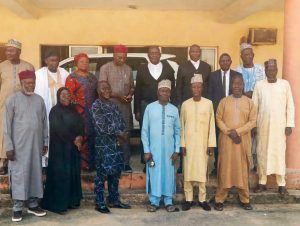
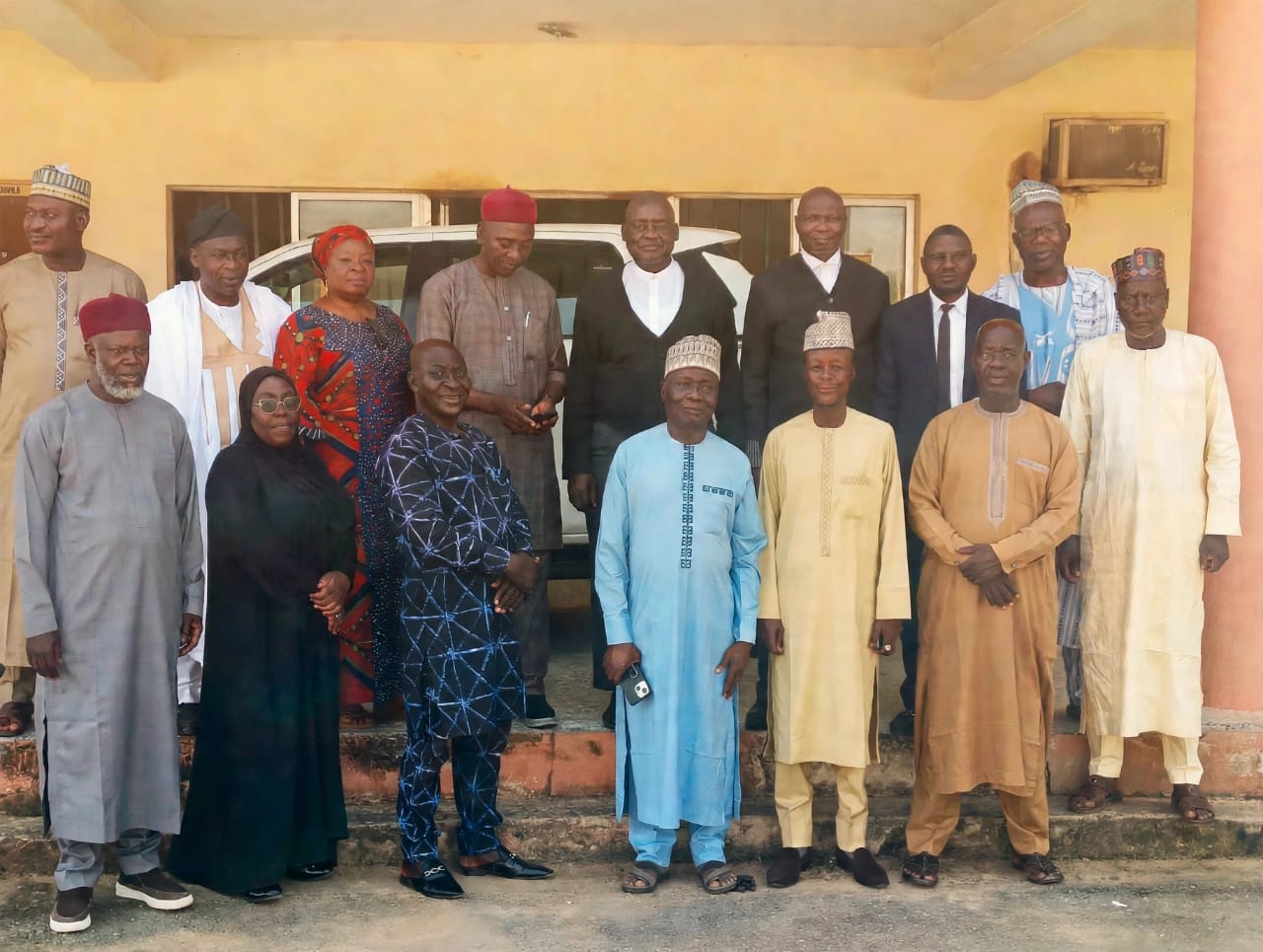
Agya gave the advice on Thursday when members of the commission, led by its Executive Chairman, Bala Aji, paid him a courtesy visit in his chambers.
The Chief Judge described TSIEC as a critical institution in the state’s democratic structure, noting that local governments remained the tier of government closest to the people.
He stressed that the credibility of local government elections depended not only on the final declaration of results but also on the fairness and transparency of the processes leading to them.
According to him, credible elections encourage citizens to participate in the democratic process, accept lawful outcomes and hold elected representatives accountable.
He warned that any erosion of public confidence in the electoral process could undermine the legitimacy of public institutions.
“Public confidence is not a courtesy to be requested; it is a responsibility to be earned. It is built by transparency, consistency, openness and strict adherence to the rules,” he said.
Agya further emphasised that political parties, candidates and voters must be treated fairly, while electoral procedures should be clearly communicated and decisions taken without fear, favour or improper influence.
He urged the commission to invest in staff training, discipline, voter education, accurate documentation, effective communication and constructive engagement with political parties and other stakeholders.
The Chief Judge also called for deliberate efforts to eliminate barriers to electoral participation, particularly those affecting women, persons with disabilities, young people and residents of remote communities.
He advised TSIEC to anticipate and prevent electoral disputes through clear guidelines, timely information and consistent enforcement of electoral laws, rather than waiting for disputes to arise.
On the relationship between the commission and the Judiciary, Agya reaffirmed the Judiciary’s commitment to the fair, impartial and timely administration of justice.
He assured that electoral disputes brought before the courts or duly constituted tribunals would be determined in accordance with the law and evidence presented.
He, however, cautioned that cooperation between both institutions must respect their separate constitutional responsibilities and must not compromise judicial independence.
“The Judiciary does not conduct elections, and the Commission does not adjudicate disputes. Each institution has its own mandate. Yet both institutions serve the same constitutional order, and both are bound by the same higher obligation: to protect the rule of law and preserve the confidence of the people,” he said.
Earlier, TSIEC Executive Chairman, Bala Aji, who led members of the commission on the visit, said the engagement was informed by the importance of electoral law in the administration of local government elections.
Aji disclosed that the commission was making preparations for bye-elections to fill vacant councillorship positions across the state.
He explained that the vacancies arose following the deaths of two councillors and the resignation of another.
The TSIEC chairman pledged sustained collaboration with the Judiciary, stressing that the commission was committed to delivering on its mandate.
“I want to succeed, and I need ideas from all critical stakeholders to succeed,” Aji said.