
Taraba Sets Up 44-Member Council to Tackle Drug Abuse, Youth Crisis
JALINGO — The Taraba State Government has launched a broad-based institutional response to drug abuse and youth-related social challenges with the constitution of the Governor’s Council on Drug Control and Social Renewal.
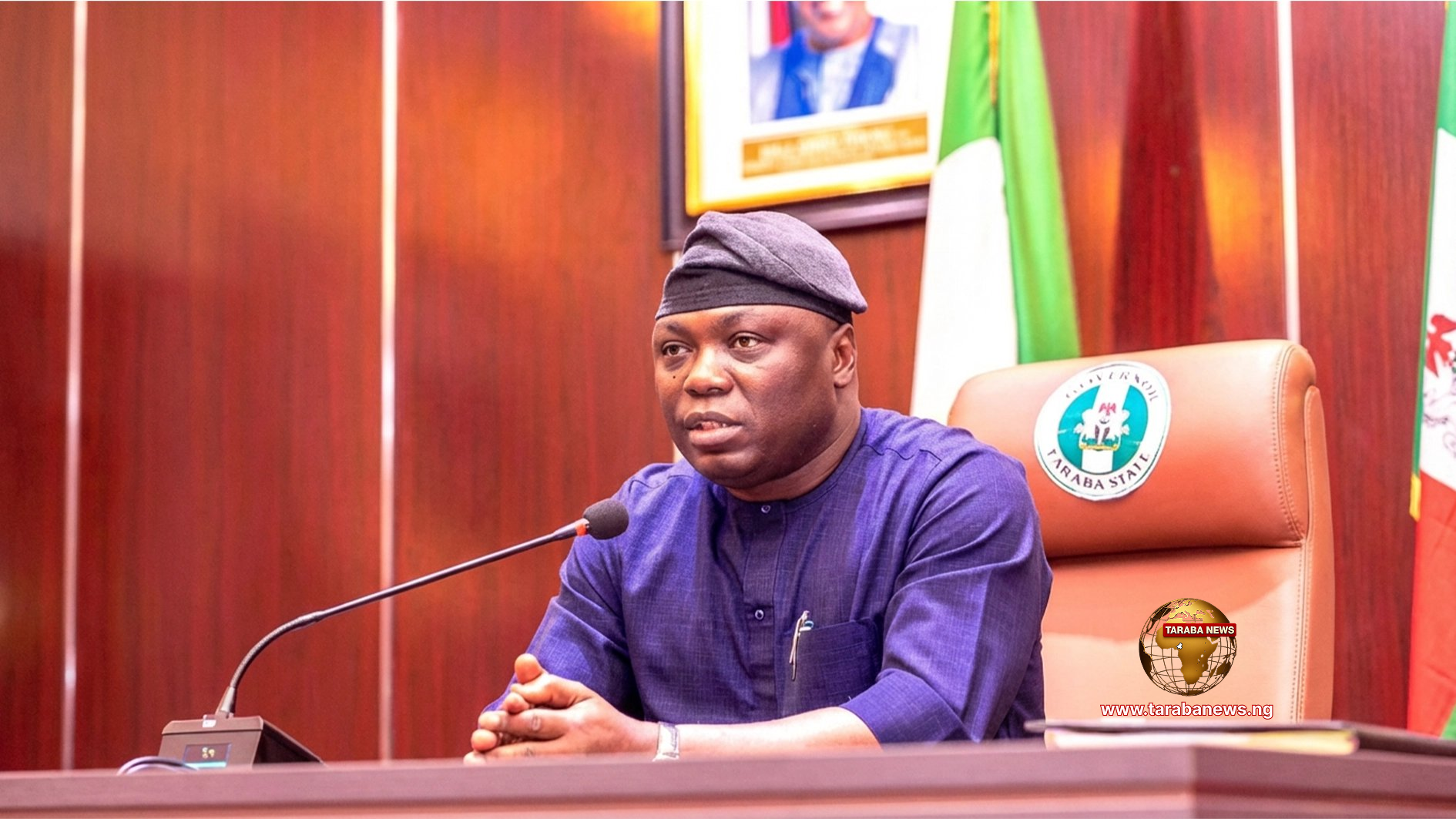
The initiative, approved by Governor Agbu Kefas, Ph.D., is designed to coordinate government agencies, security institutions, health professionals, traditional and religious leaders, youth representatives and civil-society organisations in addressing the growing challenge of substance abuse in the state.
The constitution of the council was announced in a press release dated July 14, 2026, and signed by the Secretary to the Government of Taraba State, Chief Gebon Timothy Kataps, Esq.
The council operates under the Taraba State Youth Rescue, Recovery and Social Renewal Programme, established through an Executive Order signed by Governor Kefas on August 2, 2026.
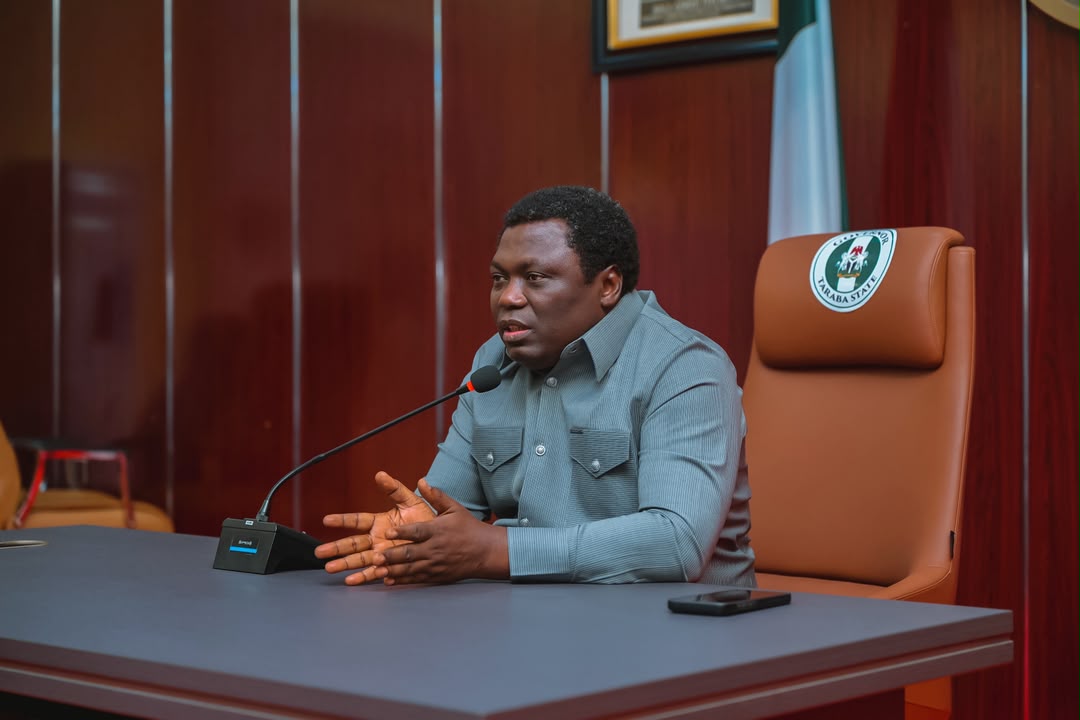
Governor Kefas will serve as Chairman of the council, while the Deputy Governor will function as Alternate Chairman. The Secretary to the State Government will serve as Vice Chairman.
The composition brings together key state commissioners, heads of government agencies, security chiefs, medical professionals, educational institutions, traditional and religious bodies, youth groups and representatives of vulnerable communities.
Members include the Attorney-General and Commissioner for Justice; Commissioners for Health, Information, Finance, Budget and Economic Planning, Education, Women Affairs and Child Development, Commerce, Trade and Industry, Heritage and Eco-Tourism, as well as the Chairman of the Taraba State Youth Development Agency and Chairman of the State Sports Commission.
The council also includes the State Security Adviser, Head of Service, Chief of Staff, Chairman of the Association of Local Governments of Nigeria in Taraba, and representatives of the National Drug Law Enforcement Agency, Nigeria Police Force, Department of State Services, Nigeria Security and Civil Defence Corps and Nigerian Correctional Service.
Other federal and professional institutions represented include the Federal Road Safety Corps, National Agency for Food and Drug Administration and Control, Pharmacy Council of Nigeria or another relevant pharmaceutical regulatory body, and Taraba State Specialist Hospital.
The education sector is also represented through Taraba State University and other tertiary institutions in the state with relevant professional expertise.
Traditional and religious institutions will have representation through members of the Taraba State Council of Traditional Rulers, Christian Association of Nigeria and the Muslim Council.
The council further provides for two youth representatives, including at least one female, alongside representatives of persons with disabilities, parents and teachers, and the hospitality and entertainment industry.
Mental-health and rehabilitation expertise will also form part of the intervention, with provisions for a psychiatrist, clinical psychologist or mental-health specialist, as well as a professional social worker or rehabilitation specialist.
Two representatives of reputable civil-society or community-based organisations working in youth development, public health or substance-abuse prevention will also participate.
The Governor’s Special Adviser on Drug Abuse is included in the council, while the Governor retains the authority to appoint additional persons based on professional competence or institutional relevance.
The wide-ranging membership suggests that the state government intends to approach drug abuse as a multidimensional challenge requiring more than conventional law-enforcement measures.
By combining security agencies with healthcare professionals, rehabilitation experts, educational institutions, community organisations, religious leaders and youth representatives, the initiative seeks to link prevention and enforcement with treatment, rehabilitation and social reintegration.
The establishment of the council also places youth recovery and social renewal at the centre of the state’s response, as the government seeks to address substance abuse and its broader implications for public health, education, security and the future of young people in Taraba.
The council is expected to provide a coordinated platform for implementing the Youth Rescue, Recovery and Social Renewal Programme and strengthening collaboration among institutions involved in preventing and responding to drug abuse across the state.