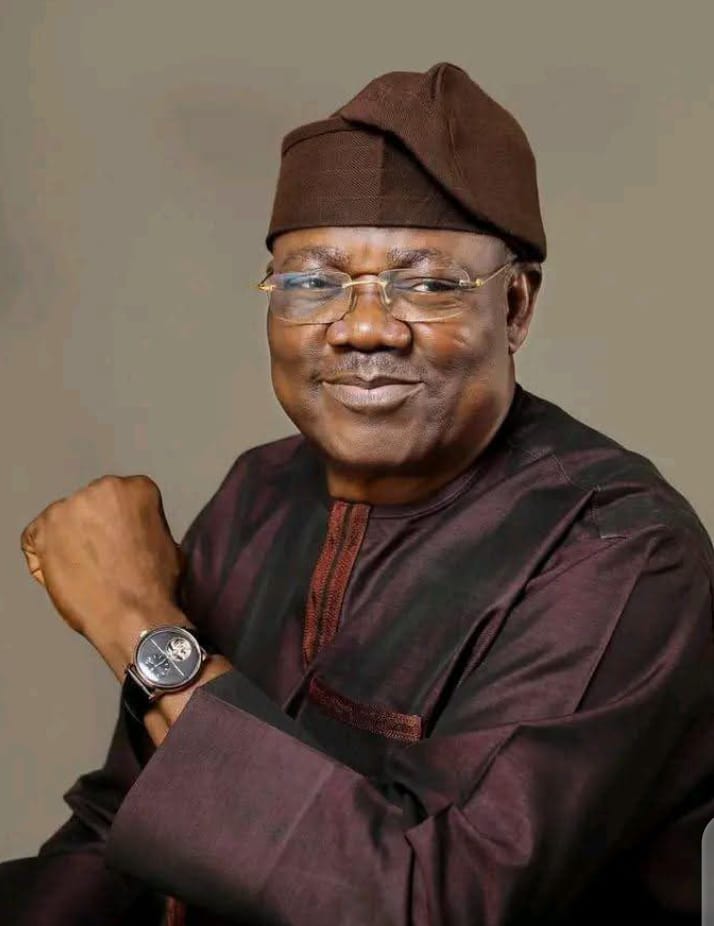








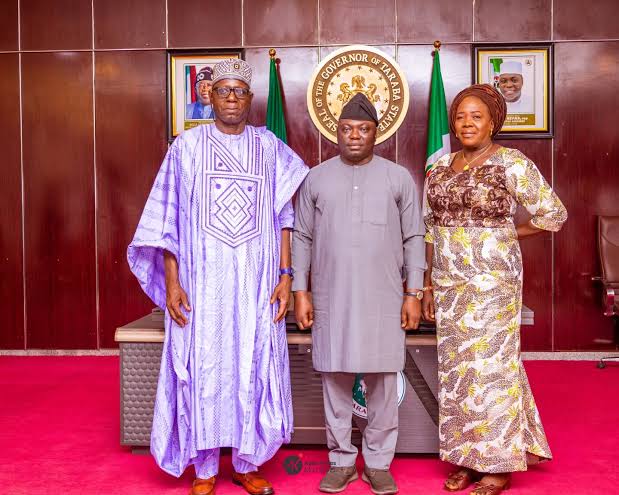
The Taraba State Commissioner for Tertiary Education, Dr. Mike Dio Jen, has defended the state government’s handling of the ongoing strike by the Academic Staff Union of Universities, ASUU, Taraba State University Chapter, saying Governor Agbu Kefas has approved measures to address the lecturers’ outstanding payments.
Speaking on Hot Topics Podcast, Dr. Dio Jen said the present administration inherited about ₦2.7 billion in unpaid salaries and more than ₦1.8 billion in outstanding allowances from the previous government.
He explained that Governor Kefas had released money towards settling the debts and also approved a new package to address the demands of university workers and staff of other tertiary institutions in the state.
The commissioner said a committee was set up to work out how much the government would need to pay across the six state-owned tertiary institutions. He, however, accused ASUU of going on strike while discussions were still ongoing.
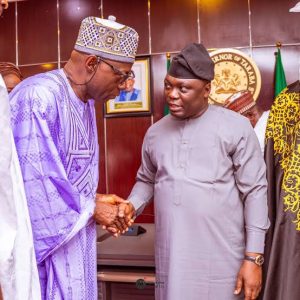
Dr. Dio Jen also argued that the union did not follow the required steps before declaring the strike. Although he admitted that the lecturers’ demands were genuine, he criticised the decision to stop academic activities while students were writing their examinations.
He appealed to the lecturers to suspend the strike and return to the negotiating table, assuring them that the government was committed to meeting their demands.
However, the government’s explanation raises an important question: if the governor has already approved the payment package, why are lecturers still waiting for their money?
For students, especially those who were close to completing their examinations, the disagreement has brought uncertainty, hardship and disruption to their academic activities.
While government points to approvals and committees, lecturers insist on their welfare, and students are left to suffer the consequences.
The state government and ASUU are therefore being urged to put aside their differences, agree on a clear payment plan and resolve the dispute without further delay.
After all, government promises cannot replace actual payments, and students cannot continue to sacrifice their academic future because of disagreements between those responsible for running the university.