

By Job Ezekiel Niyaba
The leadership of the TEKAN ECWA Bloc Taraba State has embarked on a thank-you visit to pastors and church leaders in the Southern Zone of Taraba State, expressing appreciation for their support and commitment while calling for unity, prayer, political awareness, and a renewed commitment to the church’s responsibility in public life.
Coming at a time when political activities are expected to intensify ahead of the January 2027 elections, the visit has raised an important question about the place of the church in the political and social affairs of society, particularly in a state grappling with insecurity, governance challenges, and the need for responsible leadership.
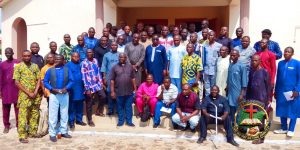
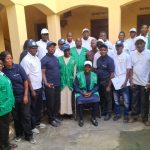
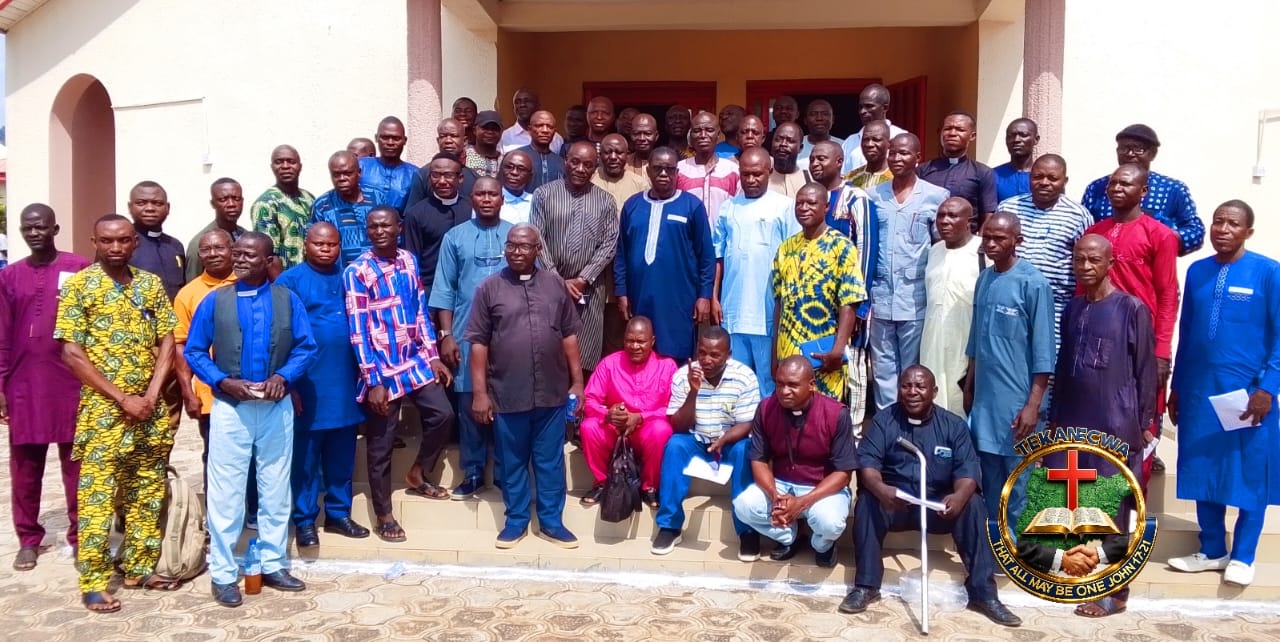
The visits took place at CRC-N Wapan Nyaku, Wukari, on Thursday, 22 October 2026, and CRC-N Tikare, Takum, on Friday, 23 October 2026.
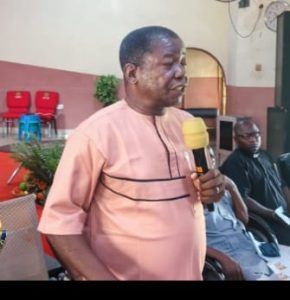
Speaking during the gathering, the Chairman of TEKAN ECWA Bloc Taraba State, Rev. Andemun Rimamnde Musa, welcomed the participants and encouraged them to remain committed to the vision and collective mission of the bloc.
Before delivering his welcome address, Rev. Musa gave an exhortation from Habakkuk 2:2–3, titled “Write the Vision Well.” In his message, he highlighted four categories of vision, emphasising the importance of seeing clearly and understanding the direction God has set for His people. He identified eyes that see correctly, eyes that cannot see correctly, eyes that see wrongly, and eyes that see nothing.
His message underscored the need for the church to develop the right vision, maintain clarity of purpose, and work together towards achieving its objectives. Beyond the spiritual application of the message, the exhortation also speaks to the need for the church to understand the times, discern the challenges confronting its communities, and respond with wisdom, courage, and a clear sense of public responsibility.
Purpose of the Visit
In his welcome address, Rev. Musa explained that the visit was organised to appreciate pastors and church leaders for their support since the 2023 general elections, strengthen relationships among member churches, and provide an opportunity to reflect on the journey of the bloc amid prevailing insecurity.
Quoting his leader, Rev. Dr. Philip Micah Dopah, he stated: “Good thing is good; not to say thank you is evil, and saying thank you is one of the major keys that unlocks divine favour.”
He further explained that the leadership considered it necessary to return to the Southern Zone and express its gratitude for the cooperation and support received from the pastors and church leaders.
Rev. Musa also said the meeting was an opportunity to share ideas about the progress and challenges of the bloc, particularly in the face of insecurity affecting communities across the state.
He called on church leaders to unite in prayer for Nigeria, Taraba State, and the state governor.
However, his emphasis on political awareness carried a message that goes beyond prayer alone. As electioneering activities gather momentum ahead of the January 2027 elections, the church is being challenged to consider how its spiritual convictions should inform its engagement with governance, public policy, security, justice, and the welfare of citizens.
Emphasising the importance of political awareness, the chairman reminded participants that Taraba State belonged to them and that TEKAN ECWA was a significant bloc within the Christian Association of Nigeria (CAN) in the state.
He urged the church to remain politically alert, warning that failure to participate meaningfully in the political affairs of society could leave Christians disadvantaged in their own homeland.
His remarks point to the growing need for public theology within the Christian community: an approach that takes the teachings of the Bible into the public square and applies Christian principles to questions of leadership, accountability, human dignity, peaceful coexistence, and the common good.
The church’s responsibility, therefore, cannot be limited to preaching, worship, and intercessory prayers while the conditions under which its members live are shaped by political decisions. Rather, it must also equip its members to understand public issues, assess political promises critically, demand accountability from those in authority, and participate peacefully and responsibly in democratic processes.
As the campaigns ahead of the January 2027 elections approach, the challenge is for the church to remain independent of partisan manipulation while refusing to be indifferent to the choices that will shape the future of Taraba State.
Rev. Musa concluded by praying for God’s guidance throughout the meeting and expressing his love and appreciation for the church leaders.
CRC-N Reaffirms Commitment to TEKAN ECWA Bloc
In a goodwill message, the President of the Christian Reformed Church–Nigeria (CRC-N), Rev. Dr. Isaiah Jirapye Magaji, who was represented by Rev. Pansoki Yerima, reaffirmed the church’s commitment to the TEKAN ECWA Bloc.
He called for unity and stronger cooperation among the churches within the bloc, emphasising the need for members to work together in pursuing their common goals.
His message reinforced the importance of maintaining a united Christian front in addressing the challenges facing the church and society. Such unity, when properly directed, can provide a platform for constructive engagement with public institutions, advocacy for vulnerable communities, peacebuilding, and the promotion of accountable governance.
For the church to make a meaningful contribution to public life, however, unity must be accompanied by informed engagement, moral consistency, and the courage to speak truthfully to those in authority, irrespective of political affiliation.
RCCN President Appreciates TEKAN ECWA Leadership
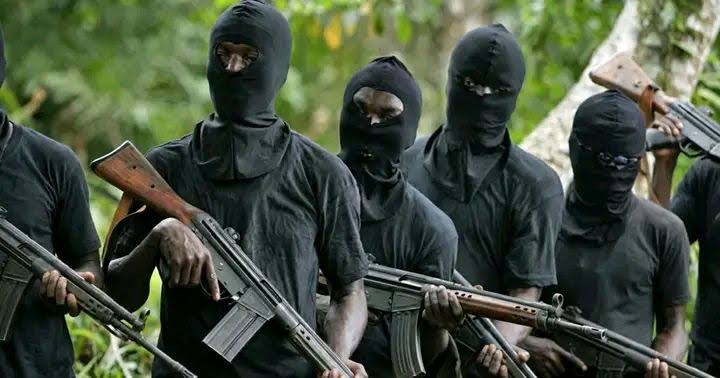
Similarly, the President of the Reformed Church of Christ for Nations (RCCN), Rev. Bulus Yerima, represented by Rev. Dr. Udoji Y. Riki, described the meeting as timely and used the opportunity to appreciate the leadership of TEKAN ECWA Bloc Taraba State for its support during a difficult period when the church faced attacks by Fulani herdsmen.
Drawing from Jeremiah 29:11, he highlighted the assurance of God’s plans for His people, encouraging the church to remain hopeful and steadfast despite the security challenges confronting its members.
He acknowledged the assistance rendered by the TEKAN ECWA leadership and underscored the importance of continued solidarity among churches during difficult times.
The security concerns raised at the meeting also highlight the relevance of public theology in a society where communities continue to seek protection, justice, and lasting peace. While prayer remains central to Christian faith, the church can also contribute through peacebuilding initiatives, engagement with security agencies and public officials, advocacy for affected communities, and the promotion of justice and reconciliation.
Such engagement should be guided by verified information, respect for human dignity, and a commitment to peaceful solutions rather than political or religious hostility.
Participants Express Appreciation
The visit was warmly received by the pastors and church leaders in the Southern Zone, who expressed delight at the leadership’s decision to visit and engage with them.
The gathering provided an opportunity for fellowship, appreciation, dialogue, and renewed commitment to the unity and progress of the TEKAN ECWA Bloc in Taraba State.
Yet, beyond the expressions of gratitude and fellowship, the engagement presents an opportunity for the church to reflect on its wider mission at a critical moment in the state’s political journey. With the January 2027 elections approaching, pastors and church leaders have an important role to play in encouraging peaceful political participation, voter education, issue-based campaigns, and the rejection of electoral violence, vote buying, and the exploitation of religious sentiments.
The church must also be prepared to evaluate candidates and political parties on the basis of their records, policies, integrity, and capacity to address the needs of the people, rather than allowing political loyalties to overshadow its moral responsibilities.
Public theology does not require the church to become a political party or a campaign organisation. It calls for a church that is spiritually grounded, socially conscious, politically informed, and courageous enough to defend truth, justice, peace, and the dignity of every citizen.
The visit concluded with a renewed call for unity among member churches, continued prayer for peace and security, and greater collaboration in advancing the interests of the Christian community across the state.
As TEKAN ECWA Bloc Taraba State continues its engagement with church leaders, the emerging challenge is clear: the church must not only pray for the future of Taraba State but also prepare its members to participate responsibly in shaping that future. In the approaching election season, the call is for a church that can discern the times, speak to public issues with wisdom, hold power accountable without fear or favour, and demonstrate through its actions that faith has a meaningful place in the pursuit of the common good.