


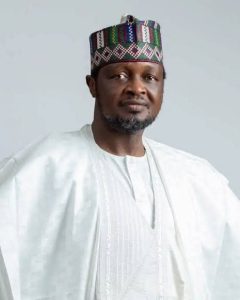
THE WURKUM-PIYA AS A TRIBE: A CASE STUDY OF HON. DANLADI BAIDO AND OTHER PIYA POLITICIANS
By Abdullahi Abubakar Senge
Cultural and Political Analyst, writing from Abuja
Email: aasenge@gmail.com
The political influence of Hon. Danladi Baido within the Wurkum-Piya community has again come under public discussion, amid concerns over internal divisions, religious considerations and the ability of prominent politicians to command the support of their immediate political base.
In politics, a politician’s immediate constituency—his village, tribe, ward or local government—is often regarded as the foundation of his political strength. It is where influence begins and where political legitimacy is first tested.
It is against this background that the case of Hon. Danladi Baido presents an interesting and complex political question.
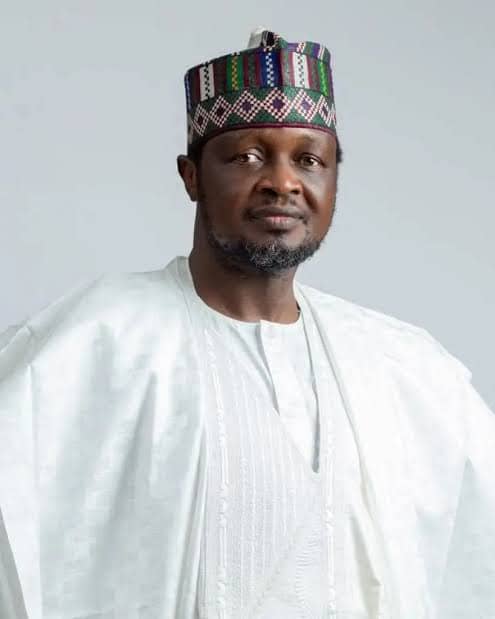
Baido is a prominent Wurkum politician from the Piya-speaking extraction. The Piya community has both Muslim and Christian populations, with estimates suggesting a Muslim majority, although precise demographic figures may require further verification.
Over the years, the Piya extraction of the larger Wurkum umbrella has produced several notable political personalities, including Hon. Danladi Baido, H.E. Sani Abubakar Danladi, H.E. Garba Umar (UTC), Senator Zik Sunday Ambuno, Hon. Kabiru Pitiko and Sadiq Mbulo, among others.
Yet, among these personalities, Baido arguably occupies a distinctive position.
While several Piya politicians have risen to important positions and built significant individual political profiles, Baido’s supporters believe his contribution went beyond personal political advancement. They credit him with helping to give the Wurkum people greater political visibility within Taraba State and beyond.
In that sense, Baido became one of the major torchbearers of Wurkum political identity.
This makes the apparent divisions surrounding his leadership within his immediate community particularly worthy of examination.
Religion has increasingly become an important factor in Nigerian politics, and the Wurkum-Piya community is not immune from this reality. Where political differences become intertwined with religious identity, there is a danger that a community’s collective political strength could become weakened.
The question therefore is not whether every Wurkum-Piya person must support Danladi Baido politically. Democracy naturally allows individuals to make independent political choices.
The deeper question is whether political and religious differences should erase recognition of the contributions made by those who helped advance the community’s political relevance.
For the Wurkum-Piya people, this debate should extend beyond Baido as an individual.
Communities build political influence by recognising their assets, preserving internal cohesion and strategically positioning their strongest voices within the larger political environment.
As Taraba moves towards another major political season, Wurkum-Piya sons and daughters may therefore need to reflect on how internal religious and political divisions affect their collective bargaining strength.
Baido’s political journey offers an important case study.
Whatever one’s political position may be, the history and contributions of leaders should be assessed fairly, while the community retains its democratic right to determine its future leadership.
A people who fail to recognise their torchbearers risk weakening their own political voice.