
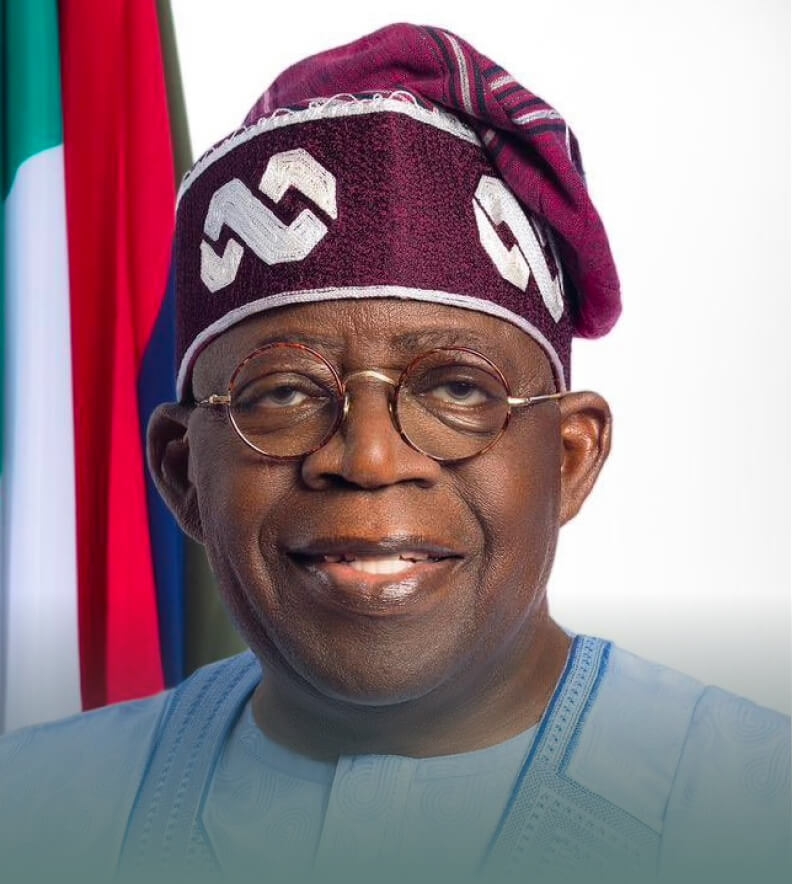
JALINGO — President Bola Ahmed Tinubu’s administration is set to give fresh attention to some of Taraba State’s long-abandoned federal road projects, with the immediate completion of the Numan–Jalingo Road and the rehabilitation and construction of other critical road networks reportedly receiving approval.
According to information circulating on the development, the President has approved the immediate completion of the long-abandoned Numan–Jalingo Road, a strategic highway linking Taraba with neighbouring Adamawa State and one of the major routes serving the North-East.
The development comes after years of public concern over the deplorable condition of the road, which has remained a major source of hardship for motorists, traders, farmers and other road users.
The Federal Ministry of Works recently confirmed that the 103-kilometre Numan–Jalingo Road is receiving attention, with officials inspecting the project in August 2026. The ministry also identified the road as part of the larger Maiduguri–Calabar Highway, underscoring its strategic importance to national transportation and economic integration.
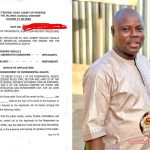
The road has attracted repeated calls for urgent intervention because of its deteriorating condition. Earlier this year, a Federal High Court in Jalingo reserved judgment in a suit challenging the prolonged neglect and unsafe condition of the Numan–Jalingo highway.
The Federal Ministry of Works has also previously listed the rehabilitation of the Numan–Jalingo Road among federal road projects requiring intervention in the North-East.
Other Taraba roads reportedly approved
In addition to the Numan–Jalingo Road, the reported approval covers two other major road projects in Taraba State.
They are:
1. Rehabilitation of the 48-kilometre Mutum Biyu–Garba Chede Road in Gassol Local Government Area.
The route is strategically important to communities in the Gassol axis and connects agricultural and commercial settlements to major transportation corridors.
Historical records and previous government documents show that the Mutum Biyu–Garba Chede corridor has long been identified as an important road project. Taraba’s own budget documents have previously carried reconstruction provisions for the route, while studies of road infrastructure in the state have also listed the Mutum Biyu–Garba Chede road among major road projects requiring attention.
2. Construction of the 106-kilometre Mayo Selbe–Gembu Road, including 4.5 kilometres of Gembu township roads.
The Mayo Selbe–Gembu route is particularly significant because it provides access to the Mambilla Plateau and connects communities in Gashaka and Sardauna local government areas.
The importance of the corridor goes beyond transportation. Mayo Selbe sits at the foot of the Mambilla Plateau and serves as a gateway to the Gembu area, while residents depend heavily on agriculture and the road network to move farm produce and access markets.
The poor condition of roads around the Gembu axis has also remained a recurring concern. As recently as August 2026, Senator Haruna Manu called on the Federal Roads Maintenance Agency to urgently intervene on deteriorating sections of the Gashaka–Sardauna road, particularly around the Mayo Selbe–Nguroje and Lekitaba–Gembu corridors, where erosion had damaged sections of the highway.
A strategic opportunity for Taraba
If fully implemented, the three projects could have a major impact on Taraba’s economy.
The Numan–Jalingo corridor would improve movement between Taraba and Adamawa and strengthen access towards the wider North-East. The Mutum Biyu–Garba Chede road would improve transportation within the central part of the state, while the Mayo Selbe–Gembu corridor could open up the Mambilla Plateau further to agricultural trade, tourism and investment.
For farmers, better roads mean easier movement of crops from rural communities to markets.
For traders, it could reduce travel time, vehicle maintenance costs and losses associated with transporting perishable goods.
For residents, it could improve access to schools, hospitals, markets and other essential services.
And for investors, functional road infrastructure could make some of Taraba’s agricultural and tourism opportunities more accessible.
Ribadu, Leme credited for intervention
The reported development has also been attributed by supporters of the initiative to the intervention and contribution of National Security Adviser, Mallam Nuhu Ribadu, and his brother, Abdulrahman Leme, who are being credited with helping draw federal attention to Taraba’s road infrastructure needs.
Their reported intervention comes at a time when the condition of several major roads in Taraba has become a subject of increasing public concern.
The federal government’s renewed attention to the Numan–Jalingo corridor is therefore being welcomed as an opportunity to address one of the state’s most persistent infrastructure problems.
Tarabans want action, not another promise
While the reported approvals have generated optimism, residents and road users are likely to judge the development by what happens on the ground.
For Tarabans who have endured years of abandoned contracts, deteriorating roads and difficult journeys, another announcement alone will not be enough.
What the people want to see now are survey teams, contractors, equipment and bulldozers physically moving to the roads.
They want construction to begin, contracts to be properly funded and monitored, and projects to be completed within realistic timelines.
The Numan–Jalingo Road, in particular, has been discussed and listed for federal intervention for years. Recent federal activity on the road provides evidence that the corridor is receiving renewed attention, but the ultimate test will be whether the intervention translates into sustained construction and eventual completion.
For Taraba, the message is therefore simple: the time for promises is over; the people want to see the bulldozers on the roads and the projects completed.
If the reported approvals are implemented as announced, they could mark a significant new chapter in federal road infrastructure development in Taraba State.