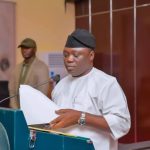
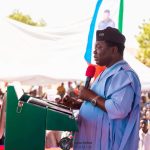

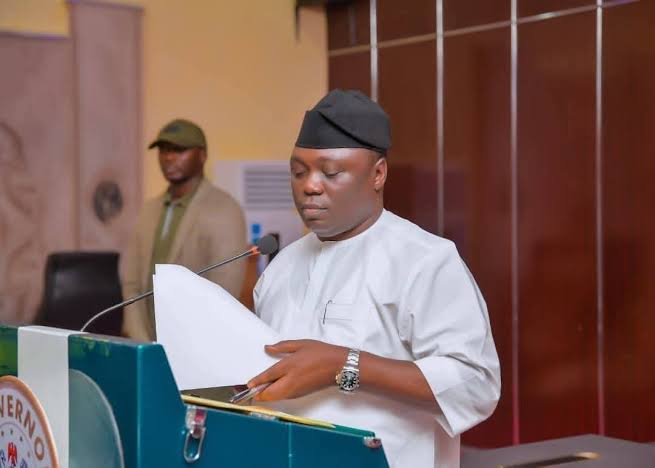
The Leader of the Zing Legislative Council, Hon. Victor Mathias, has commended Taraba State Governor, Dr. Agbu Kefas, for awarding the Zing–Yakoko–Lamma road project, describing the initiative as a significant intervention that will improve rural connectivity, stimulate economic activities and enhance the livelihoods of residents.
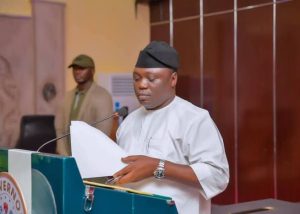
Mathias gave the commendation in an interview with Jalingo Times correspondent in Yakoko, Zing Local Government Area, where he expressed satisfaction with the road project and its anticipated benefits to communities along the route.

He noted that the completion of the road would ease transportation challenges facing rural residents, particularly farmers who often encounter difficulties conveying their agricultural produce to markets due to poor road conditions.
According to him, the project demonstrates Governor Kefas’ commitment to extending infrastructural development beyond urban centres and ensuring that rural communities across Taraba State benefit from government interventions.
The council leader also commended the Speaker of the Taraba State House of Assembly, Rt. Hon. John Kizito Bonzena, an indigene of Yakoko Ward, for his contributions towards promoting unity and facilitating development across Zing State Constituency.
He observed that the Speaker had demonstrated commitment to the welfare of his constituents through various interventions and development projects across the wards, stressing the importance of ensuring that the dividends of democracy reach communities at the grassroots.
Mathias further noted that the development initiatives being undertaken by the state government and the Speaker would remain significant issues in political discussions ahead of the 2027 general elections.
He maintained that constituents would assess their political choices based on the performance of their elected leaders, their records in office and the tangible impact of development projects on their communities.
The Zing Legislative Council Leader reaffirmed that the people of Zing would continue to evaluate the performance of their representatives while expressing support for initiatives aimed at promoting inclusive development, strengthening rural infrastructure and improving the living conditions of residents.