








By Taraba News
JALINGO | NOVEMBER 26, 2026
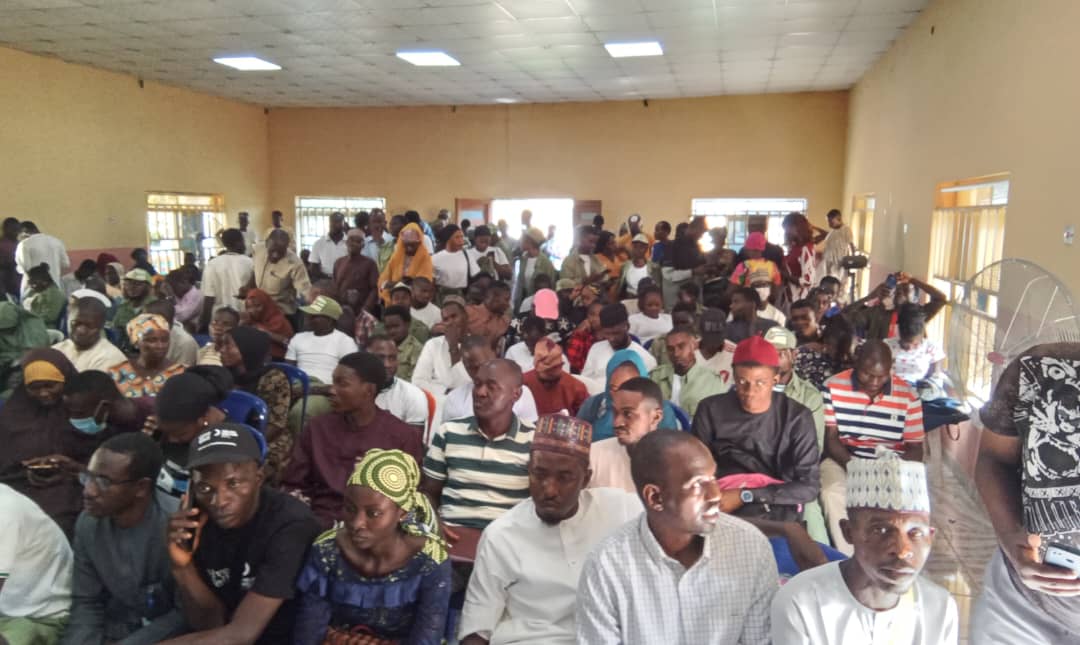
The Taraba State Ministry of Health, in collaboration with LifeSpring Development Foundation, has commenced a two-day capacity-building workshop for media executives, security personnel and community leaders on the Violence Against Persons Prohibition (VAPP) Law and Safe Termination of Pregnancy (SToP) Guidelines.
The workshop, held in Jalingo, is aimed at strengthening stakeholders’ understanding of the legal framework for protecting women and girls against violence, while promoting awareness of the guidelines governing lawful and safe termination of pregnancy in Nigeria.
The engagement brought together key stakeholders involved in preventing gender-based violence (GBV), protecting survivors and addressing maternal deaths associated with unsafe abortion.
The organisers explained that the training was designed to equip participants with the knowledge and practical skills required to support effective implementation of the VAPP Law and SToP Guidelines, while addressing misconceptions and barriers affecting access to appropriate reproductive healthcare services.
The workshop also seeks to strengthen collaboration among healthcare professionals, law enforcement agencies, the media and traditional institutions in responding to cases of sexual and gender-based violence and ensuring that survivors receive appropriate medical, legal and psychosocial support.
Taraba State domesticated the Violence Against Persons Prohibition Act in 2021, establishing a legal framework for protecting citizens, particularly women and girls, against different forms of violence, including sexual and gender-based violence.
The law provides for the protection of victims and survivors, accountability for perpetrators and stronger institutional responses to violence against persons.
Similarly, the SToP Guidelines provide guidance on circumstances under which pregnancy may be lawfully terminated in line with applicable laws and medical standards, including cases involving sexual assault or incest, severe foetal abnormalities and situations where continuing a pregnancy poses a danger to a woman’s physical or mental health.

Participants were also sensitised to the challenges confronting vulnerable populations across Taraba, particularly communities with limited access to healthcare facilities, where cultural beliefs, stigma and inadequate awareness of reproductive health rights often discourage women and girls from seeking timely medical attention.
Stakeholders noted that survivors of sexual violence sometimes face pressure to remain silent due to fear of discrimination, family rejection and community judgement, thereby delaying access to essential healthcare, counselling and legal assistance.
The training therefore highlighted the importance of stronger community engagement, public education and improved coordination among institutions responsible for protecting women and girls.
The media was identified as a critical partner in promoting public awareness, correcting misinformation and reporting gender-based violence responsibly, without compromising the dignity, privacy and safety of survivors.
Journalists were encouraged to promote accurate understanding of the VAPP Law and SToP Guidelines while avoiding sensational reporting and the disclosure of information that could expose survivors to further harm.
For security personnel, the workshop emphasised the need for professional handling of sexual and gender-based violence complaints, respectful treatment of survivors and effective collaboration with relevant healthcare and legal institutions.
Traditional and community leaders were equally encouraged to use their positions of influence to challenge harmful practices, discourage violence and promote an environment where survivors can seek assistance without fear or discrimination.
The collaboration between the Ministry of Health and LifeSpring Development Foundation is expected to strengthen the capacity of these stakeholders to understand their respective responsibilities in preventing violence, protecting survivors and promoting access to appropriate healthcare services.
Participants described the engagement as an important opportunity to deepen their understanding of the legal provisions and medical guidelines, pledging to share the knowledge acquired with their respective organisations and communities.
The workshop featured interactive sessions and group exercises, during which participants developed action plans for disseminating the knowledge acquired at the community and institutional levels.
At the end of the two-day engagement, the organisers expressed optimism that the initiative would improve inter-agency collaboration, increase public awareness of the VAPP Law and SToP Guidelines, and promote a more coordinated response to gender-based violence and unsafe abortion.
The initiative is also expected to contribute to efforts to reduce preventable maternal deaths in Taraba State through improved awareness, timely intervention and access to safe and lawful reproductive healthcare services.
Stakeholders further emphasised that sustained collaboration among government agencies, civil society organisations, media practitioners and community leaders would be essential to strengthening the protection of women and girls and ensuring effective implementation of existing laws and guidelines across the state.