







By Iranyang Daniel
The Africa Nature Investors (ANI) Foundation has intensified efforts to secure international conservation recognition for Okomu National Park in Edo State and Gashaka Gumti National Park, which straddles Taraba and Adamawa States, through their proposed designation as UNESCO Man and the Biosphere (MAB) Reserves.
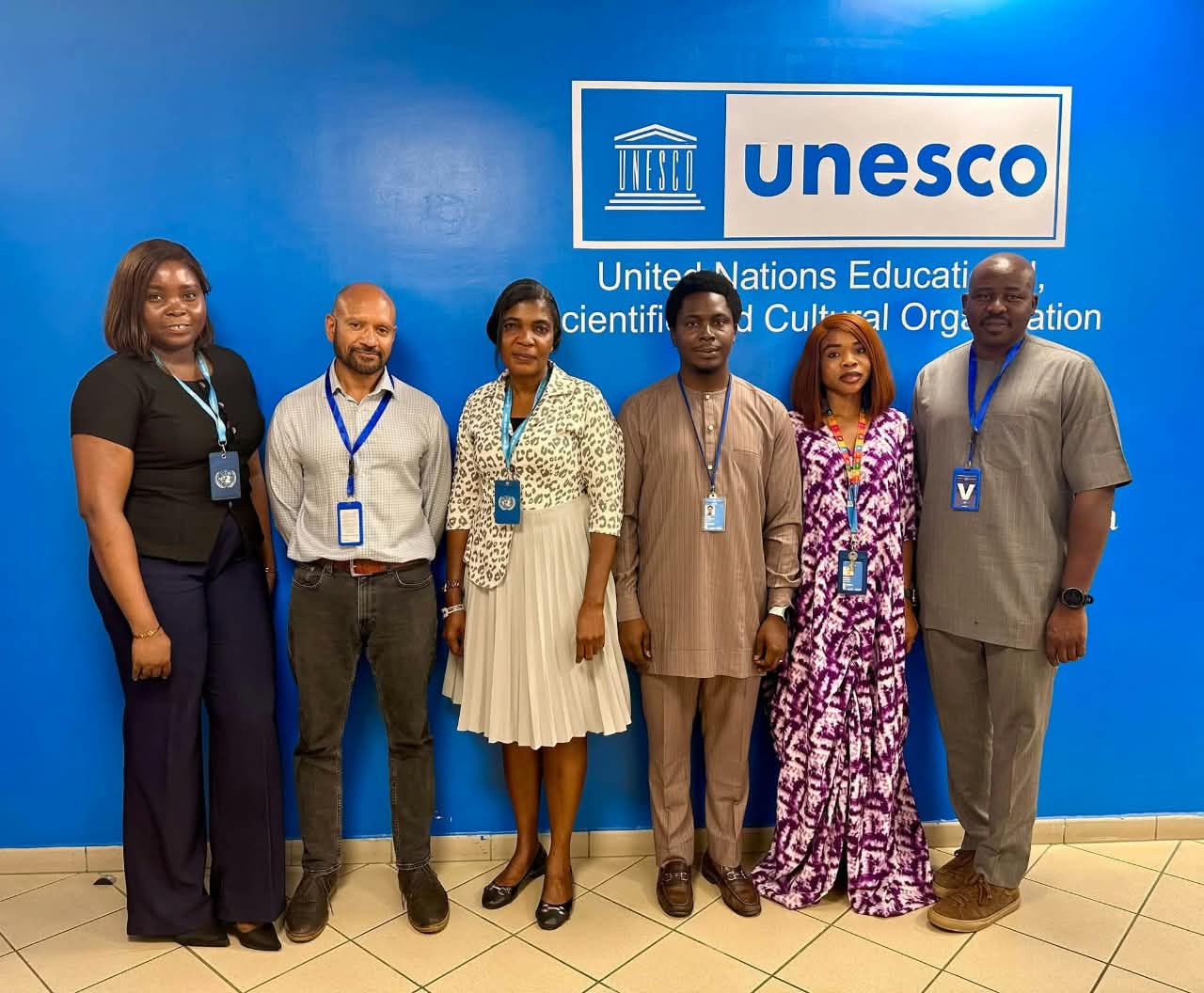
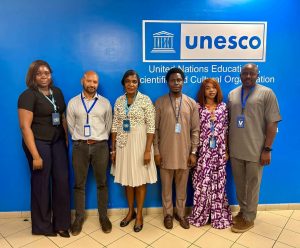
The development follows a meeting between representatives of the ANI Foundation and officials of the United Nations Educational, Scientific and Cultural Organisation (UNESCO) in Abuja, where discussions focused on progress towards the proposed inclusion of the two Nigerian national parks in UNESCO’s global Man and the Biosphere Programme.
The meeting was disclosed by Tunde Morakinyo, Founder and Executive Director of the ANI Foundation, in a Facebook post. He identified the UNESCO representatives at the meeting as Dr. Isaías Barreto da Rosa and Enang Moma.
Morakinyo expressed optimism about further collaboration with UNESCO to advance the initiative, highlighting its potential benefits for local communities and Nigeria’s environmental heritage.
The proposed designation is significant because UNESCO’s Man and the Biosphere Programme seeks to promote a practical balance between environmental conservation and human development. Rather than concentrating exclusively on protecting wildlife and natural habitats, the programme encourages local communities to participate in conservation while developing sustainable economic activities that improve their livelihoods.
Under this framework, biosphere reserves serve as platforms for biodiversity conservation, scientific research, environmental education and sustainable natural resource management. They also create opportunities for communities to benefit from activities such as ecotourism, sustainable agriculture, beekeeping and other environmentally responsible enterprises.
For Taraba and Adamawa States, the proposed recognition of Gashaka Gumti National Park carries considerable significance, given its ecological importance, geographical spread and contribution to the conservation of Nigeria’s natural heritage.
GASHAKA GUMTI: A SHARED CONSERVATION ASSET OF TARABA AND ADAMAWA
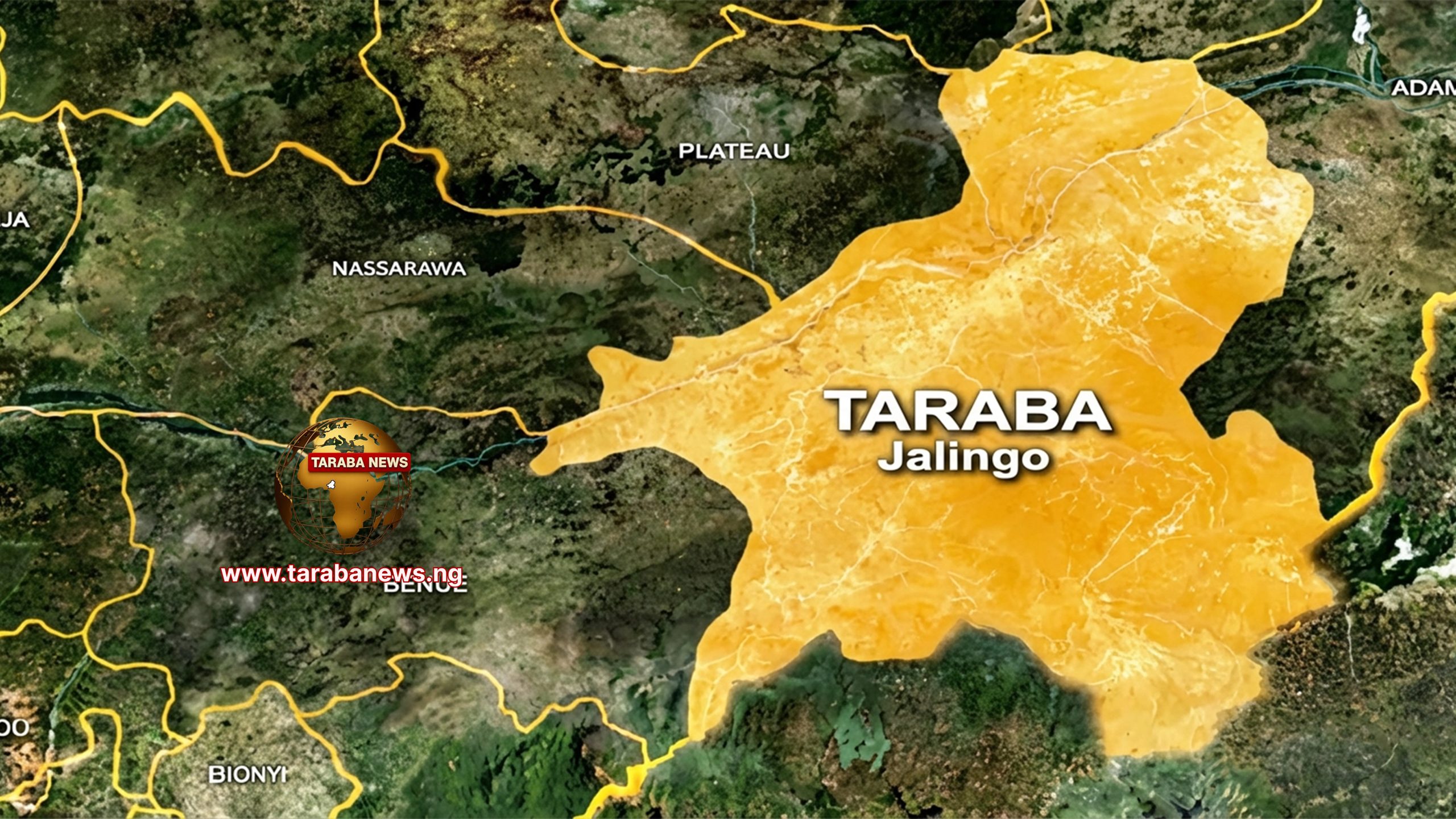
Gashaka Gumti National Park is located in the north-eastern part of Nigeria and extends across parts of both Taraba and Adamawa States, sharing an international boundary with Cameroon. It is one of Nigeria’s largest national parks, covering approximately 6,731 square kilometres, according to the Nigeria National Park Service.
Its vast landscape encompasses mountain ranges, tropical rainforests, montane forests, grasslands, rivers and savannah ecosystems, making it one of the country’s most ecologically diverse protected areas.
The park is also an important ecological and water resource zone, with the Taraba River forming part of its wider watershed system before flowing into the Benue River. Its diverse habitats support several wildlife species, including the endangered Nigeria-Cameroon chimpanzee, forest elephants, other primates and numerous bird species. More than 400 bird species have been recorded in the park.
Beyond its ecological importance, Gashaka Gumti is closely connected to the livelihoods of communities in both Taraba and Adamawa States. Its forests, rivers and surrounding landscapes support different economic and livelihood activities, making the relationship between environmental protection and community development particularly important.
Consequently, any proposed UNESCO biosphere reserve framework for Gashaka Gumti must recognise the park’s geographical spread and the interests of communities in both states.
Such recognition could provide an additional platform for promoting responsible ecotourism, environmental education, scientific research, community-based conservation and sustainable livelihoods across the affected communities in Taraba and Adamawa States.
It could also strengthen cooperation between the two state governments, conservation authorities, local communities and development partners in addressing environmental challenges that transcend state boundaries.
OKOMU NATIONAL PARK: ANOTHER CONSERVATION PRIORITY
OKOMU NATIONAL PARK: ELEPHANT CONSERVATION AND RAINFOREST RESTORATION
Okomu National Park in Edo State is the second location covered by the proposed UNESCO biosphere reserve initiative. The park is one of Nigeria’s most important remaining tropical rainforest ecosystems and a critical refuge for threatened wildlife, particularly the endangered African forest elephant and the white-throated monkey.
Covering approximately 202 square kilometres, Okomu supports a rich diversity of plant and animal species. Its rainforest ecosystem provides essential habitats for wildlife, contributes to biodiversity conservation and plays an important role in maintaining the ecological balance of southern Nigeria.
Recent conservation activities at the park have further highlighted its national and international importance. One notable development is the rescue and rehabilitation of an orphaned African forest elephant, named Agbaibor, whose mother could not be located after the young animal was discovered wandering alone in an oil palm plantation adjoining the park in November 2025.
Through a collaboration involving the Africa Nature Investors Foundation, the National Park Service and Okomu Oil Palm Company Plc., the elephant received specialised care before being transferred to a purpose-built forest enclosure within the park in August 2026. The intervention is intended to prepare the animal for eventual reintegration into its natural forest environment.
Beyond wildlife rehabilitation, ANI Foundation and the National Park Service have also initiated forest restoration activities aimed at reclaiming degraded farmland within Okomu and replanting indigenous rainforest species. The programme is expected to restore damaged habitats, improve forest connectivity and strengthen the ecological conditions necessary for the survival of endangered wildlife.
The park’s inclusion in the Monitoring the Illegal Killing of Elephants (MIKE) programme under the Convention on International Trade in Endangered Species of Wild Fauna and Flora (CITES) in September 2026 also provides an international framework for monitoring elephant conservation and illegal killings.
These interventions demonstrate that Okomu’s conservation priorities extend beyond protecting an existing national park. They involve restoring degraded ecosystems, safeguarding endangered species, strengthening wildlife monitoring and building partnerships with surrounding communities and private-sector organisations.
Its proposed inclusion in UNESCO’s Man and the Biosphere Programme could provide an additional international platform for consolidating these efforts while promoting scientific research, environmental education, responsible ecotourism and sustainable livelihood opportunities for communities around the park.
ANI FOUNDATION AND THE CONSERVATION INITIATIVE
The proposed collaboration also highlights the growing role of the Africa Nature Investors Foundation in Nigeria’s environmental conservation sector.
Its Founder and Executive Director, Tunde Morakinyo, is a community forestry and tropical forest conservation specialist with approximately three decades of professional experience in natural resource management.
His professional background includes more than 16 years as a partner at international environmental consultancy firm ERM, where he worked on environmental, social and governance issues, biodiversity conservation and resettlement planning.
His conservation work has involved engagement with local communities, government institutions, non-governmental organisations and international partners, particularly around protected landscapes in Nigeria and Cameroon.
UNDERSTANDING THE UNESCO BIOSPHERE RESERVE DESIGNATION
It is important to distinguish between a national park and a UNESCO-designated biosphere reserve.
A national park is a legally protected area established primarily for the conservation of wildlife, vegetation and natural ecosystems. A biosphere reserve, on the other hand, operates under UNESCO’s Man and the Biosphere Programme and seeks to integrate biodiversity conservation with sustainable development, research and community participation.
The proposed recognition should therefore not be interpreted as an automatic change in the legal status or ownership of Gashaka Gumti and Okomu National Parks. Rather, it would provide an internationally recognised framework for strengthening conservation, scientific cooperation and sustainable development around these protected landscapes.
If successfully pursued, the initiative could enhance Nigeria’s standing in global environmental conservation efforts while creating opportunities for research, tourism, investment and improved livelihoods.
For Gashaka Gumti in particular, the initiative presents an opportunity for Taraba and Adamawa States to strengthen their partnership in protecting a shared natural heritage whose ecological importance extends beyond state boundaries.
Ultimately, the success of the proposed initiative will depend not only on international recognition but also on effective collaboration among UNESCO, the ANI Foundation, the National Park Service, the governments of Taraba, Adamawa and Edo States, and the communities whose lives and livelihoods are connected to these important conservation landscapes.