


Opposition candidate accuses governor of unfulfilled promises, while Kefas Campaign Council urges voters to judge contenders by their records
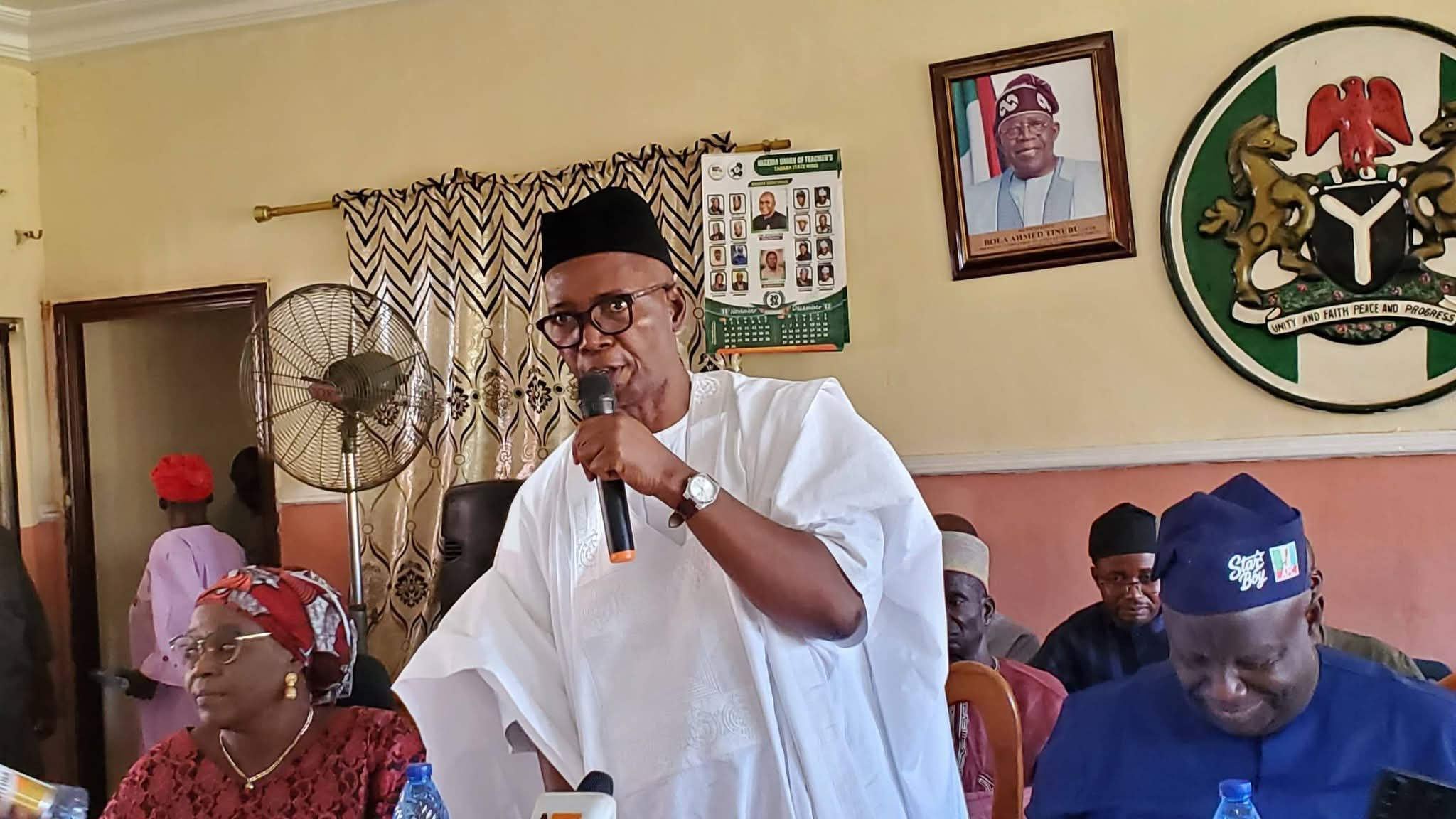
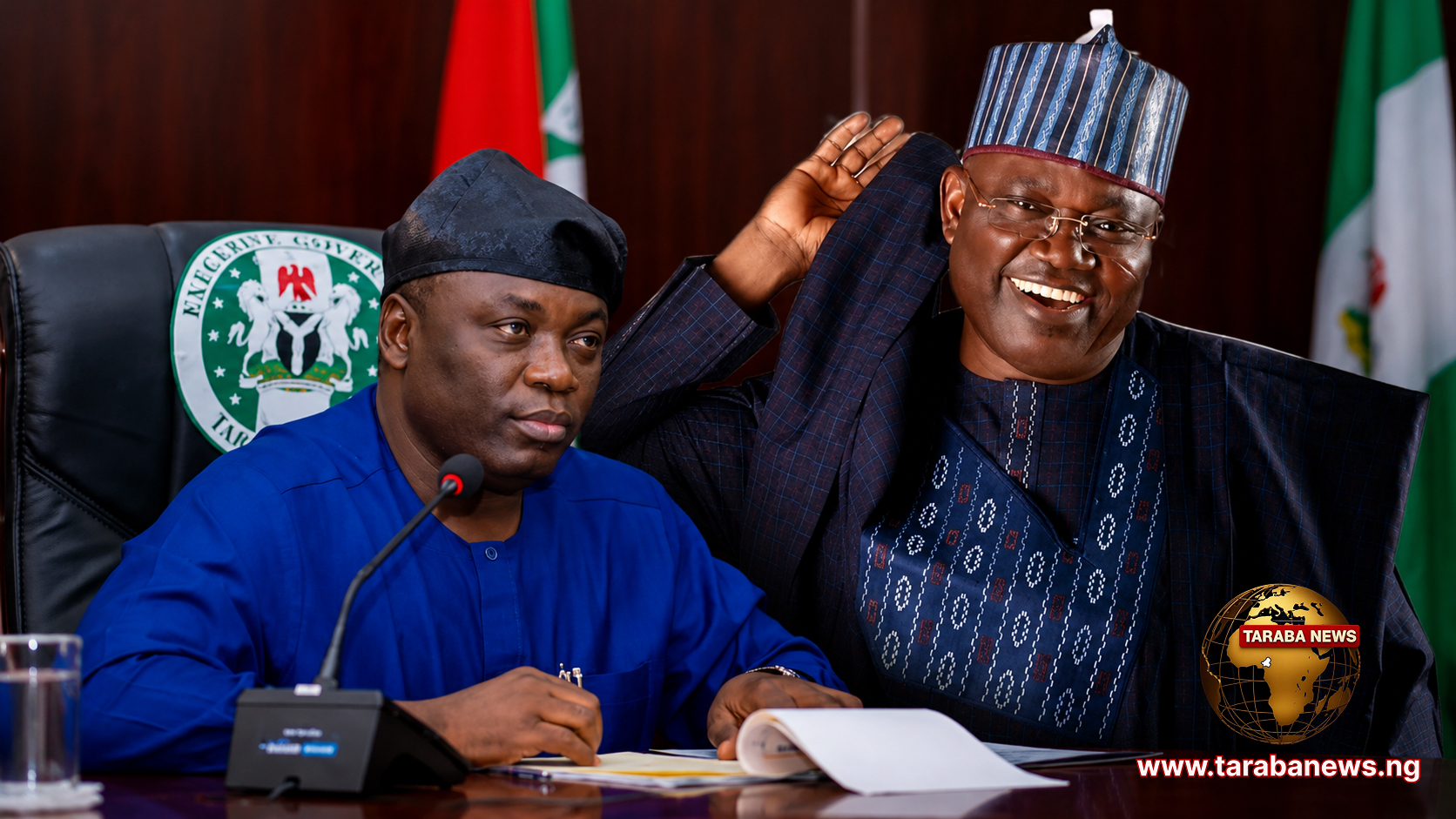
The political atmosphere in Taraba State has intensified ahead of the 2027 governorship election as Senator Emmanuel Bwacha and Governor Agbu Kefas exchange criticisms over governance, political opposition and the state’s development trajectory.
Bwacha, who is seeking to return to the governorship race, has described Governor Kefas as the “real joker,” responding to the governor’s reported description of his political opponents as “jokers” and his assertion that there is no opposition in the state.
The former senator accused the Kefas administration of making unfulfilled promises and failing to deliver sufficiently after three years in office. He also alleged that the governor was engaging in what he described as “child’s play” with the people of Taraba, insisting that his own ambition was to rescue the state.
Bwacha is expected to flag off his governorship campaign in Zing Local Government Area on Saturday, October 10, as political activities build towards the 2027 election.
However, the Kefas Campaign Council has responded by shifting attention to the records of both politicians, arguing that voters should assess candidates based on their achievements, public service experience and proposals for the state’s future.
Kefas Campaign Council Challenges Bwacha’s Record
In a press statement titled *“Bwacha’s ‘Light and Darkness’ Rhetoric: Tarabans Will Judge by the Record,”* the Kefas Campaign Council said the election debate should go beyond political expressions and focus on verifiable achievements and policy proposals.
Signed by Hon. Emmanuel Bello, Director of Media and Strategic Communication of the Kefas Campaign Council, the statement acknowledged Bwacha’s right to seek the people’s mandate but maintained that his record in public office should also be subjected to scrutiny.
Bwacha represented Taraba South Senatorial District in the National Assembly from 2011 to 2023. The council argued that his years in the Senate provide a basis for examining his contributions to the state’s development and assessing his promise to restore what he describes as Taraba’s lost glory.
The council also recalled that Bwacha contested the 2023 governorship election but lost to Kefas, noting that his experience and political ambitions should be considered alongside the performance of the incumbent administration.
It maintained that voters deserve clear explanations from all candidates about what they intend to change, how they plan to achieve their objectives and what lessons they have learnt from their previous public responsibilities.
Education and Infrastructure at the Centre of Kefas’ Defence
Defending the incumbent governor’s record, the campaign council highlighted programmes in education, infrastructure, agriculture, youth development and public welfare.
In education, it cited the administration’s free education policy at the basic and secondary levels, alongside a 50 per cent reduction in tuition fees in state-owned tertiary institutions.
The council also pointed to the government’s funding of public school candidates sitting the West African Examinations Council and National Examinations Council examinations, stating that approximately ₦3 billion was expended on examination fees for tens of thousands of students in 2026.
On infrastructure, the statement listed road projects including Mararaba–Baissa, Takum–Lissam, Wukari–Kente–Chinkai and Zing–Yakoko–Monkin roads.
According to the council, the projects are intended to improve connectivity, facilitate commerce and support agricultural development. It added that their progress and eventual impact should be assessed against construction schedules, completion status and the benefits delivered to affected communities.
The projects and policy interventions form part of the administration’s argument that it has pursued development programmes since assuming office in May 2023.
Agriculture and Youth Development
The Kefas Campaign Council also highlighted agricultural interventions, including the procurement and distribution of more than 850 tractors, improved seedlings and other agricultural inputs.
It further cited the establishment of Taraba Seed Production Limited as part of efforts to strengthen agricultural production and support the state’s economic potential.
The council maintained that these initiatives should ultimately be measured by farmers’ access to the interventions, their effects on productivity and the economic opportunities created across farming communities.
On youth development, the statement referenced a ₦500 million youth business support initiative reportedly commenced in August 2026, alongside plans for another phase in November and additional funding for youth development.
It also cited the Youth Development Roadmap for 2026–2031 and the long-term Taraba Youth Agenda 2050 as frameworks intended to expand enterprise development and economic opportunities for young people.
The council further defended the administration’s handling of security, payment of outstanding pensions and gratuities covering 2012 to 2017, timely salary payments and ongoing attention to township roads in Jalingo.
It said security gains were visible across the state, although the broader security situation and the experiences of affected communities remain important considerations in assessing government performance.
The statement also referenced Governor Kefas’ recognition as Leadership Newspaper’s Governor of the Year 2026, while maintaining that the tangible effects of government policies on ordinary residents should remain the most important measure of his administration.
The Opposition’s Case and the Question of Accountability
While the campaign council defended the administration’s record, Bwacha’s criticism reflects the broader argument opposition candidates are likely to advance as the election approaches: that the incumbent should be judged by the extent to which promises have translated into improvements in people’s lives.
His allegation that the administration has failed to deliver sufficiently after three years raises questions about the implementation of government programmes, the completion of projects and whether the benefits of public spending are reaching communities across the state.
However, the claims made by both sides require scrutiny against verifiable evidence, including project completion records, budget implementation reports, official expenditure figures and independent assessments of outcomes.
Similarly, Bwacha’s own record as a former senator and his proposals for governing Taraba will be important considerations for voters seeking to compare the candidates.
The emerging debate therefore places both the incumbent and his challenger under public scrutiny: Kefas over the performance of his administration and Bwacha over his legislative record, political experience and proposed alternative.
Beyond Political Exchanges
In its response, the Kefas Campaign Council said the election should be an opportunity for Tarabans to compare records, assess competing visions and make informed decisions about the state’s future.
The council argued that anyone promising to restore Taraba’s lost glory should explain what was lost, how it happened and how the proposed policies would produce lasting improvements.
At the same time, the incumbent administration’s achievements and outstanding commitments will remain relevant to the electorate’s assessment of whether it deserves another term.
As the 2027 governorship race takes shape, the exchange between Bwacha and Kefas highlights the increasingly competitive political environment in Taraba State.
Whether the contest will be decided by the incumbent’s development record, the opposition’s criticism, the credibility of alternative proposals or the strength of the candidates’ political organisations remains to be seen.
For now, the emerging campaign debate underscores a central question for Tarabans: which candidate can present the most credible record, the clearest plans and the strongest evidence of an ability to improve the lives of the people?