





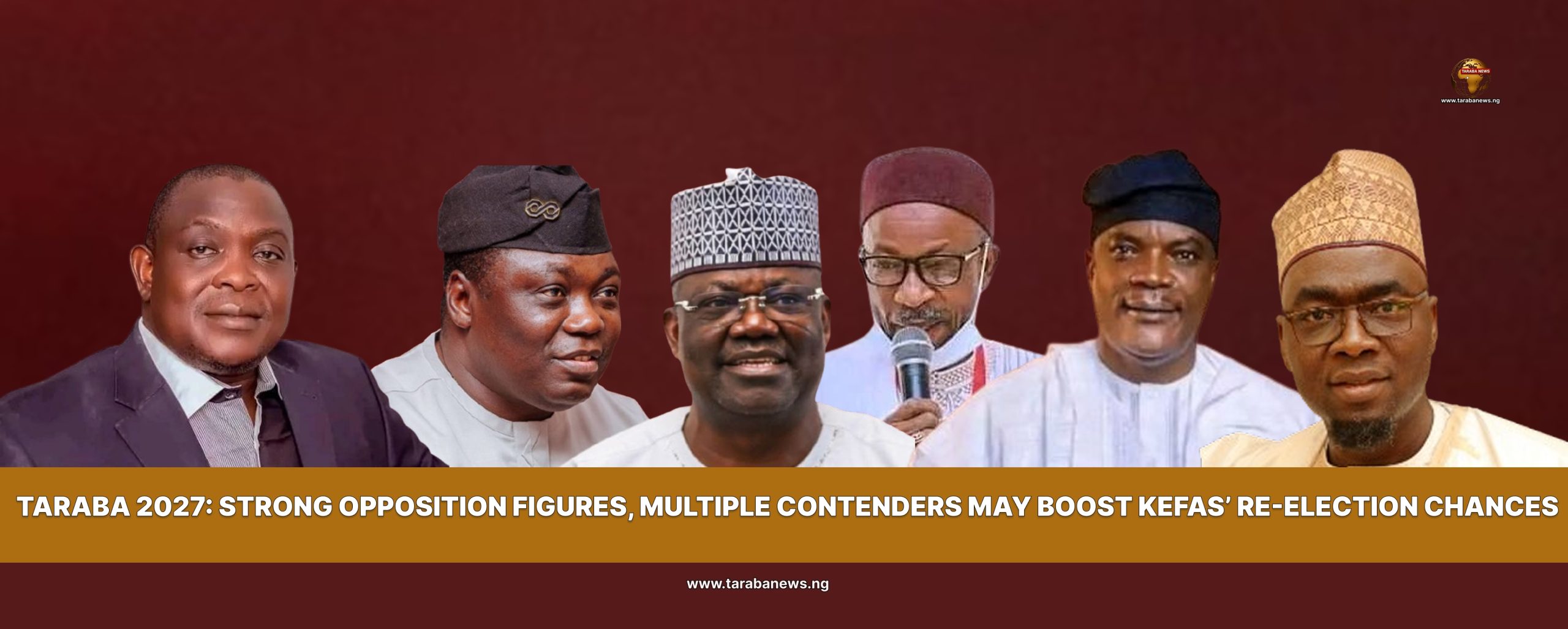
Bwacha, Nyame, Danji SS, Sani Yahaya and Tutare emerge as key opposition figures as observers urge political rivals to unite
As political activities gather momentum ahead of the 2027 governorship election in Taraba State, the emergence of several influential opposition figures is shaping the debate over Governor Agbu Kefas’ chances of securing another term in office.
From seasoned politicians with established grassroots structures to academics, former senators and candidates with growing youth appeal, the opposition field presents a collection of personalities capable of making the contest competitive.
However, political observers argue that the strength of these individual contenders may not necessarily translate into a collective electoral advantage, particularly if they remain divided across different political platforms.
The critical question is whether the opposition can overcome party differences, competing ambitions and regional considerations to present a coordinated challenge to the incumbent governor.
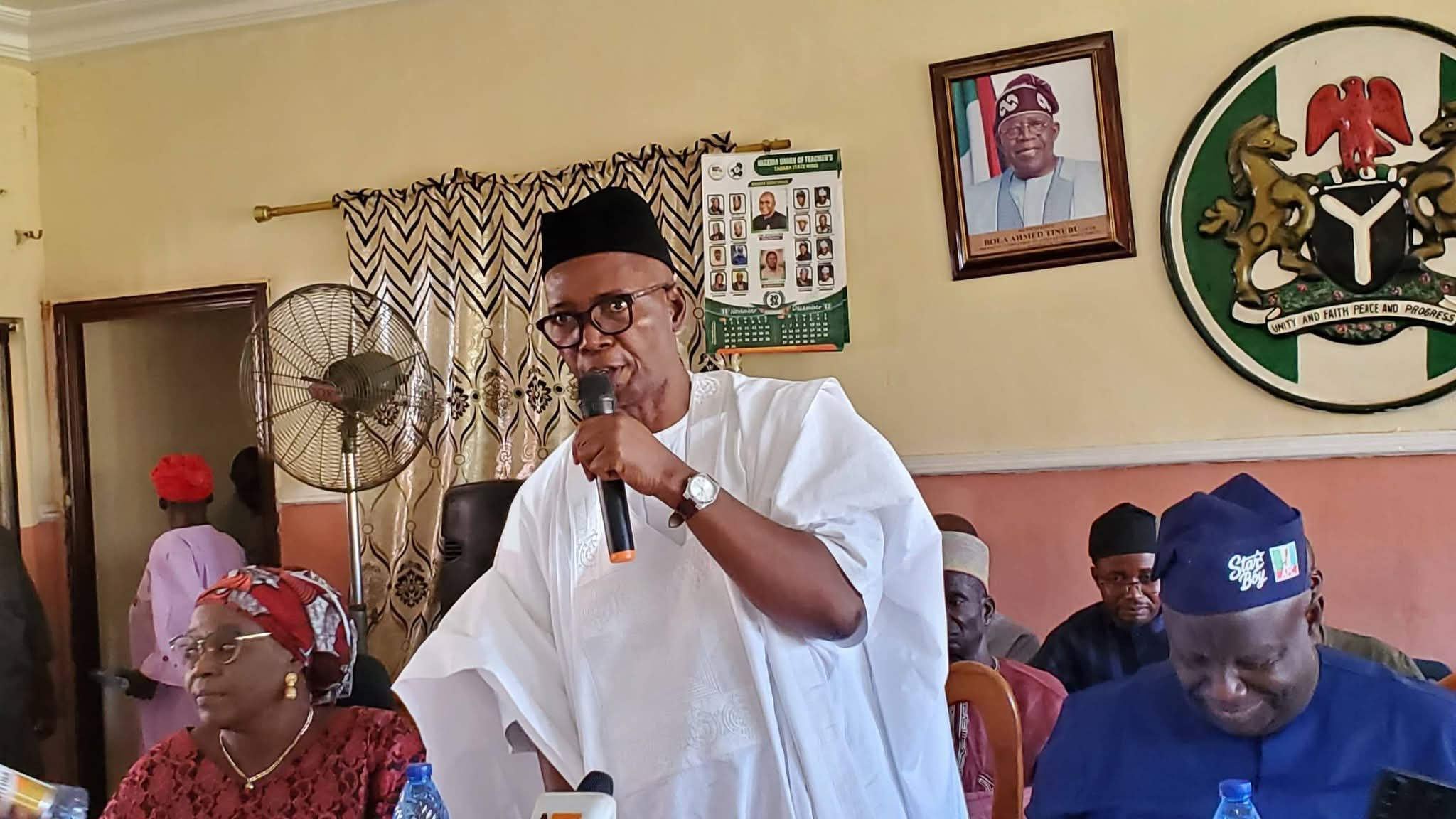
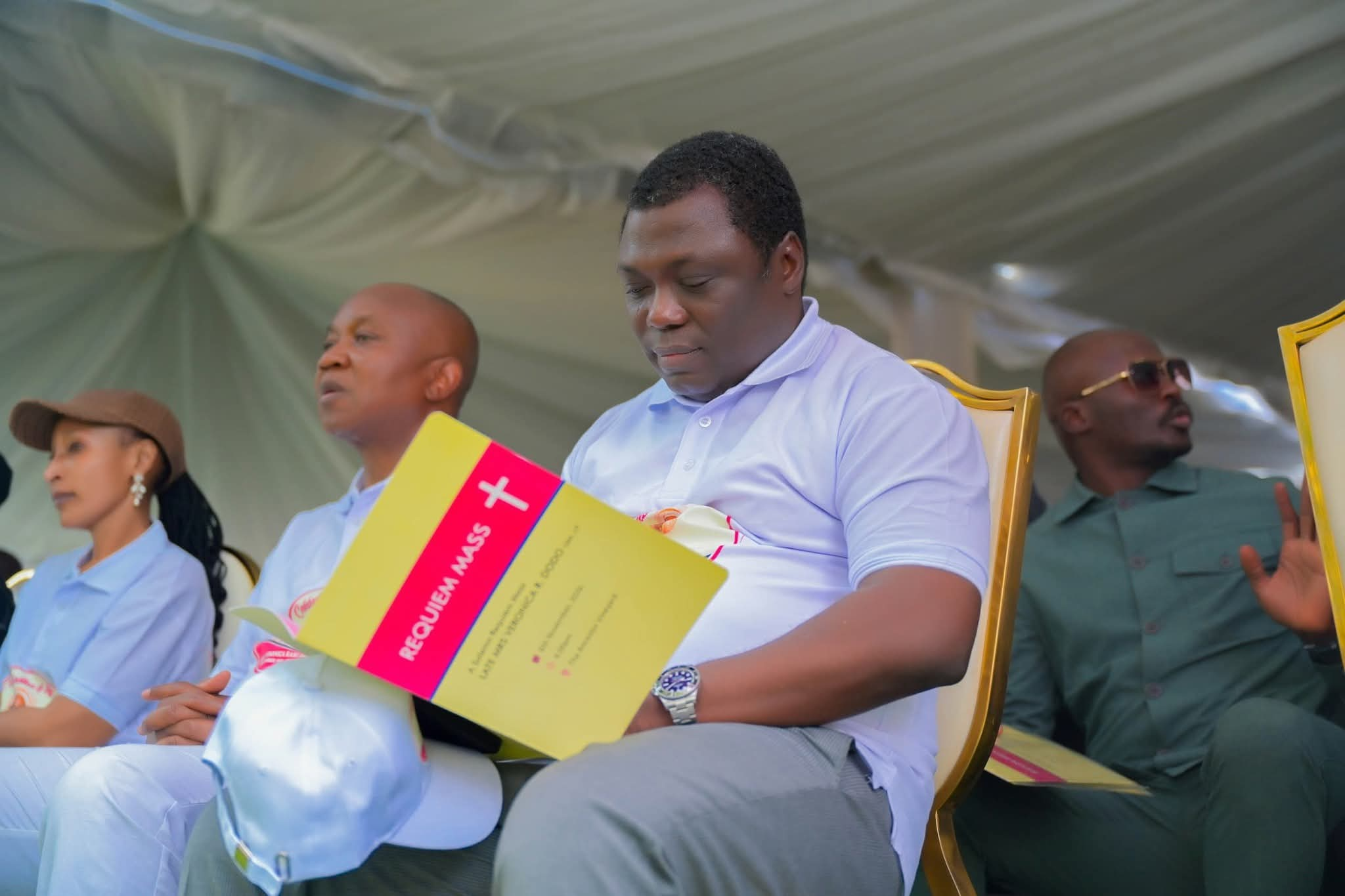
Among the figures attracting attention are Senator Emmanuel Bwacha, Professor Jerome Nyame, Danjuma Usman Shiddi, popularly known as Danji SS, Professor Sani Yahaya and Senator Abubakar Tutare.
Each brings a different political background, constituency and potential electoral advantage to the unfolding contest.
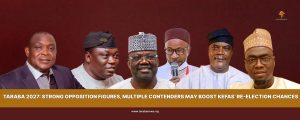
Emmanuel Bwacha: The Grassroots Political Heavyweight
Senator Emmanuel Bwacha is among the prominent political figures expected to shape the 2027 governorship contest. A two-term senator who represented Taraba South Senatorial District, Bwacha has considerable political experience and a network of supporters built over several years.
His political journey has seen him move across party platforms. He contested the 2023 governorship election as the APC candidate against Agbu Kefas, who won the election on the platform of the Peoples Democratic Party before subsequently defecting to the APC.
Bwacha’s political appeal is often associated with his grassroots connections, experience in national politics and networks across different parts of the state.
His current political alignment is another factor to watch as the race develops. His ability to consolidate supporters beyond his traditional southern Taraba base could be crucial to his governorship ambition.
A recent online opinion poll published by Taraba News reportedly placed Bwacha as a major contender for the governorship seat. While such polls can indicate public interest and political momentum, their significance depends on the methodology, sample size, geographical spread and representativeness of the respondents.
For Bwacha, the major challenge will be converting his political experience and established networks into broad-based support capable of competing effectively across the state’s three senatorial zones.
Professor Jerome Nyame: The Youth Appeal and Northern Taraba Factor
Professor Jerome Nyame, the governorship candidate of the Accord Party, represents another potentially significant force in the opposition camp.
Nyame’s profile as an academic and his reported appeal among young people could provide a platform for mobilising voters seeking alternatives to established political structures.
His candidacy also introduces an important geographical dimension to the contest. As a contender from Taraba North, he could seek to consolidate support within the senatorial zone while extending his reach to other parts of the state.
His Mumuye identity may also feature in political calculations, given the community’s demographic significance in Taraba State. However, ethnic identity alone cannot determine voting patterns in a state where political loyalty, party affiliation, personal credibility and local interests also influence electoral choices.
Nyame’s central challenge will be to translate his reported youth appeal and professional standing into a strong political organisation, effective grassroots mobilisation and support beyond his immediate constituency.
If he succeeds in doing so, he could become an important factor in determining how votes are distributed in the northern zone and across Taraba State.
Danji SS: Building Momentum Through Grassroots Consultations
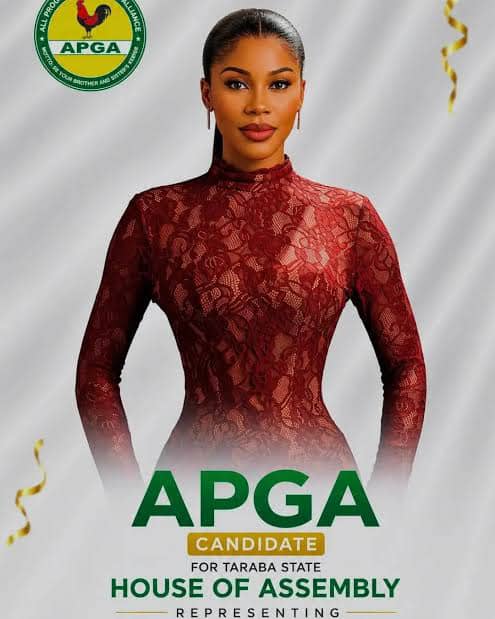
Danjuma Usman Shiddi, popularly known as Danji SS, is the governorship candidate of the All Progressives Grand Alliance (APGA).
His political approach has included extensive consultations and visits to communities across Taraba State. He has reportedly visited all 16 local government areas, including remote settlements and difficult-to-access communities where his campaign activities have involved challenging journeys by motorcycle.
These engagements could help him establish personal connections with voters, understand local concerns and build a network of supporters beyond major towns and urban centres.
Shiddi previously contested for the House of Representatives seat for the Wukari/Ibi Federal Constituency, giving him experience in electoral politics and constituency-level engagement.
His current challenge is to transform the visibility generated by his consultations into a sustainable campaign structure capable of reaching voters across the state.
For APGA, the effectiveness of its organisation, the appeal of its candidate and its capacity to mobilise supporters will be central to its prospects in the governorship election.
Although extensive consultations may help a candidate build goodwill, their electoral impact will ultimately depend on whether that goodwill translates into votes on election day.
Professor Sani Yahaya: The Strength of a Previous Electoral Showing
Professor Sani Yahaya is another important figure in the emerging contest. He contested the 2023 governorship election on the platform of the New Nigeria Peoples Party (NNPP) and finished behind the incumbent, Agbu Kefas, according to the electoral outcome described in the political debate surrounding the race.
His previous showing provides a potential foundation for his 2027 ambition, particularly in areas where he demonstrated electoral strength.
Mutum Biyu in Gassol Local Government Area, Jalingo, the state capital, and Ibi are among the locations identified as important to his previous political support. The extent to which he can retain or expand that support remains uncertain, as voter preferences and political alliances may change before the next election.
Yahaya is now associated with the National Democratic Congress (NDC), rather than the platform on which he contested in 2023. His ability to transfer his previous support base to a new party will be an important test of his political organisation.
His experience as a former governorship candidate may give him recognition among voters, but he will still need to demonstrate that his support remains relevant under the changed political circumstances.
Senator Abubakar Tutare: Experience Across Government and the Legislature
Senator Abubakar Tutare, the NDC governorship candidate, brings considerable public-service experience to the emerging contest.
A former senator representing Taraba Central, Tutare has also served as commissioner for works in Taraba State and as Secretary to the State Government.
These roles have exposed him to legislative responsibilities, executive administration and the coordination of government activities.
Such experience could become a central part of his campaign, particularly if he presents himself as a candidate with an understanding of public administration and the state’s development challenges.
Tutare is also expected to draw on his political networks and relationships built during his years in public office. The extent to which these connections translate into broad electoral support will depend on his campaign organisation, party strength and ability to connect with voters beyond his traditional political base.
As a candidate of the NDC, he will also need to establish the party’s visibility and demonstrate its capacity to compete in a governorship race involving several experienced political figures.
A Strong Opposition, but Can It Unite?
The presence of Bwacha, Nyame, Shiddi, Yahaya and Tutare gives the opposition a range of political assets: legislative experience, grassroots connections, professional credentials, youth appeal and previous electoral exposure.
Yet these strengths are distributed among different parties and individual ambitions.
This creates a strategic dilemma. If the candidates compete independently for overlapping voter groups, their combined influence could be weakened by vote fragmentation. If they establish a credible alliance or coordinate their political efforts, the contest could become more challenging for the incumbent.
However, unity is not simply a matter of announcing an alliance. It requires agreement on leadership, candidate selection, campaign priorities, resource mobilisation and a shared vision for governing Taraba State.
It also requires political leaders to convince their supporters that compromise will advance a common objective rather than undermine their individual interests.
The question is whether these opposition figures can find sufficient common ground to develop a strategy that maximises their collective electoral prospects.
Kefas and the Incumbency Advantage
Governor Agbu Kefas remains a central figure in the calculation surrounding the 2027 election.
As the incumbent, he has the visibility that comes with occupying the state’s highest political office. His administration’s policies, ongoing projects and record in areas such as education, infrastructure, healthcare, agriculture, youth development and security are likely to feature prominently in the campaign.
His supporters may seek to build on the administration’s achievements, while opposition candidates will be expected to scrutinise its performance and offer alternative approaches.
The governor’s defection from the PDP to the APC has also altered the political landscape, potentially affecting party loyalties, alliances and campaign strategies.
Nevertheless, incumbency does not guarantee re-election. The administration’s performance, public satisfaction, the credibility of competing candidates, the effectiveness of political mobilisation and the conduct of the electoral process will all matter.
A divided opposition could improve the governor’s chances, but a united opposition with a compelling message and an effective campaign could change the equation.
Beyond Party Politics: What Do Voters Want?
Ultimately, the 2027 contest will be determined by more than the number of influential politicians seeking the governorship.
Voters will also consider security, employment opportunities, the cost of living, education, healthcare, rural infrastructure, agricultural development and the ability of the next administration to improve living standards.
Opposition candidates must demonstrate how their policies would address these concerns. The incumbent, in turn, will be expected to defend his record and explain how his administration intends to respond to the state’s continuing challenges.
Candidates who combine political structures with credible programmes and meaningful engagement with communities may be better positioned to win public confidence.
The ability to reach voters across the three senatorial zones, including rural communities and traditionally underrepresented areas, could prove decisive.
Conclusion: The Opposition’s Unity Test
The emerging Taraba governorship contest presents an intriguing political equation. Several experienced and potentially influential figures are positioning themselves to challenge Governor Agbu Kefas, but their individual strengths do not automatically constitute a winning coalition.
Bwacha brings senatorial experience and grassroots connections. Nyame offers an academic profile and reported youth appeal. Danji SS is building visibility through statewide consultations. Yahaya draws on his previous governorship campaign, while Tutare brings experience from the legislature and state executive administration.
Whether these strengths will translate into a formidable challenge depends on how effectively each candidate organises, mobilises and persuades voters.
For political observers, the central question remains: **Can the opposition unite around a common strategy, or will the competition among its own candidates give Governor Kefas a clearer path to re-election?**
The answer will become clearer as party structures consolidate, alliances emerge and campaigns move from consultations to concrete electoral strategies.
For now, one conclusion stands out: the 2027 governorship election in Taraba State may be shaped as much by the opposition’s ability to manage its own divisions as by the incumbent’s performance in office.