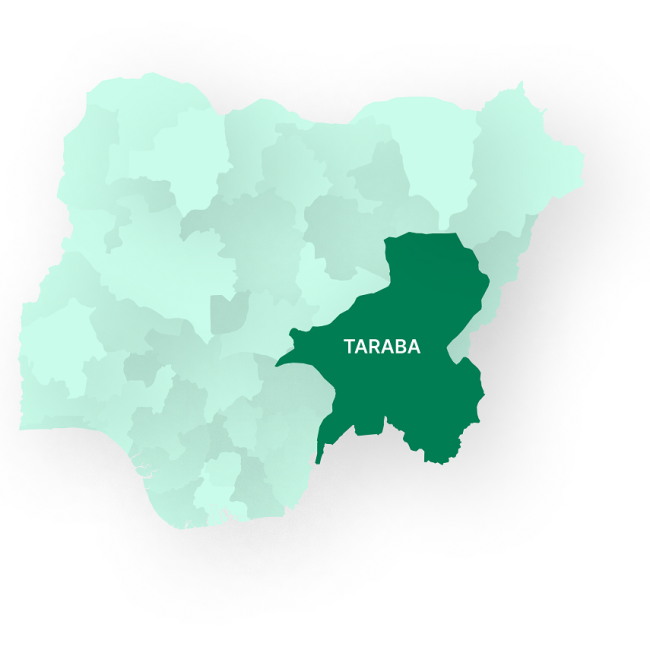










Taraba State stands at a critical crossroads. Political thuggery threatens democratic participation, drug abuse endangers the future of young people, and disregard for public regulations undermines community safety. Against this backdrop, the state government’s declaration of war on these social ills is timely. But the real battle will not be won through press releases, tough rhetoric or executive orders alone. It will be won through consistent enforcement, public cooperation, and an unwavering commitment to justice.

In a press release dated October 7, 2026, the Taraba State Government announced a zero-tolerance approach to political thuggery and drug abuse, directing security agencies to enforce the law without discrimination. The directive, anchored partly on Executive Order No. 7 of 2026, sends an important message: no political affiliation, religious identity, ethnic background, or social standing should place anyone above the law.
Political thuggery is not merely a security problem. It is an assault on democracy. When young people are recruited to intimidate opponents, disrupt political gatherings, or unleash violence, the entire political process suffers. Elections become exercises in fear rather than genuine expressions of the people’s will. Those who finance, sponsor, or organise political violence must therefore face the law alongside those who carry out the attacks.
Equally troubling is the menace of drug abuse. Beyond its consequences for individual health, substance abuse can deepen family hardship, undermine young people’s prospects, and compound existing security challenges. However, the response must recognise the difference between drug traffickers, those who profit from addiction, and people who need treatment. Enforcement against criminal networks must go hand-in-hand with prevention, counselling, rehabilitation, and reintegration.

The government’s appeal to traditional rulers, religious leaders, local government officials and citizens to support the campaign is equally significant. Security cannot be the exclusive responsibility of uniformed personnel. Communities must help prevent violence, discourage drug abuse, and promote responsible conduct. Yet public cooperation will depend largely on whether citizens see the law applied fairly and consistently.
The directive concerning open burials in private and residential areas, under Executive Order No. 2 of 2026, also deserves careful implementation. Public health and safety are legitimate concerns, but enforcement must be accompanied by clear guidance, accessible information, and respect for cultural and religious sensitivities.
Above all, Taraba must avoid the familiar trap of announcing a war that is never decisively fought. Selective arrests, political interference, abuse of power, and the persecution of perceived opponents would undermine the credibility of the campaign. The same law must apply to the powerful and the powerless, the sponsors and the foot soldiers, without fear or favour.
The state government must also establish measurable targets, monitor enforcement outcomes, and communicate progress transparently. Citizens deserve to know how many cases are investigated, how offenders are prosecuted, and what support is available to people battling drug addiction.
Taraba does not need a war of words. It needs a sustained campaign of action, accountability and prevention.
The message is simple: crush political violence, dismantle drug-trafficking networks, protect vulnerable youths, and uphold the law without discrimination. The government has declared its intention. Now, the people must see the results.