





ON THE WUKARI FLYOVER: MY TAKE.
By Jolly Agbu Masa-Ibi
Wukari is strategically located along the A4 Highway, a major north-south national route linking Calabar in the south to Maiduguri in the north and running roughly parallel to Nigeria’s eastern border with Cameroon.
Beyond the A4 Highway, Wukari is also connected by several major roads to various parts of Taraba State, as well as, Benue, Plateau, Adamawa, Nasarawa, Bauchi, Cross River States, and Republic of Cameroon. This extensive road network places Wukari at a very important transportation crossroads. And when several major roads converge on one point, that point deserves serious consideration for proper traffic planning.
The major routes connected to Wukari include:
1. Wukari – Katsina-Ala – Ogoja – Ikom – Calabar, with onward connection from Katsina-Ala to Gboko – Makurdi – Abuja.
2. Wukari – Jalingo – Yola – Maiduguri.
3. Wukari – Ibi – Yelwa – Shendam – Jos – Kano, with another connection from Yelwa to Bauchi and Gombe.
4. Wukari – Takum – Cameroon.
5. Wukari – Kente – Arufu – Akwana – Kwatan Sule – Makurdi – Abuja.
6. Wukari – Tsokundi – Gidan Idi – Jalingo.
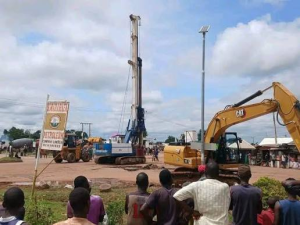
When you look at this road network objectively, it becomes clear that Wukari is not just an ordinary town, several important routes converge there, making it a critical gateway and transportation hub for Southern Taraba and the entire Taraba. This is why, in my view, the Wukari Flyover at Takum Junction is not necessarily a project for today alone; it is an investment in the Wukari of tomorrow.

More so, development should not always begin after a problem has become a crisis. For instance the ongoing construction of the IBI BRIDGE across River Benue is another very important factor. Once completed and fully operational, it could alter traffic patterns and increase the number of vehicles passing through Wukari, particularly as motorists look for shorter and more convenient routes.
Those describing the Flyover as unnecessary or a “white elephant project” may have genuine concerns, and public projects should absolutely be scrutinised for cost, quality, necessity and accountability. However, criticism should also be based on facts, proper studies and long-term planning; not simply on today’s perception or political sentiments.
As the saying goes, “The best time to plant a tree was 20 years ago. The second-best time is now.” Likewise, if we want to build a better Taraba, we must think beyond the immediate political season and consider the generations that will inherit what we build today.
“Where there is no vision, the people perish.” — Proverbs 29:18
Politics should never become a curtain that blinds us to the bigger picture, or prevents us from making decisions that will benefit future generations. Let us therefore put politics aside and think objectively. Perhaps one of the reasons development has been slow in our communities is that we sometimes measure everything by what we can see immediately, rather than by what it can become with proper planning.
My Take Is Simple: Let us support development, demand accountability, remove politics from genuine developmental issues, and judge projects with wisdom, evidence and the future of Taraba in mind.
“The wise do not wait for the river to overflow before they build a bridge.” – Jukun Proverbs
Thank you!