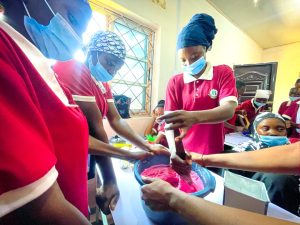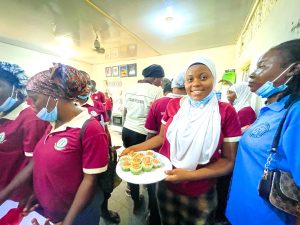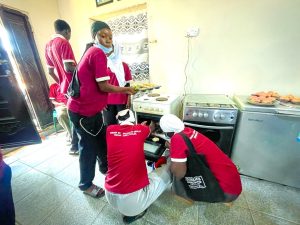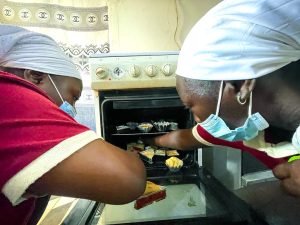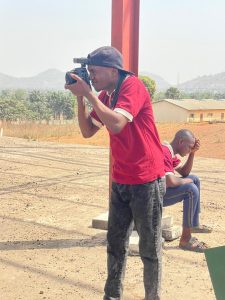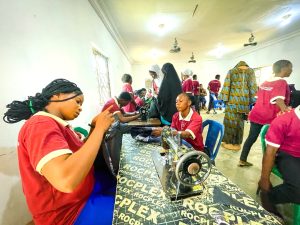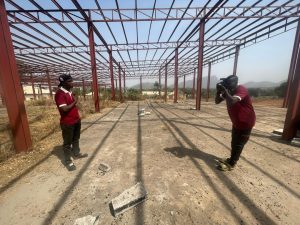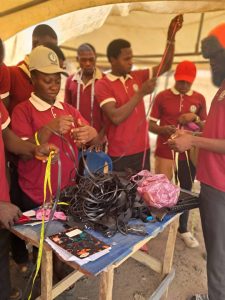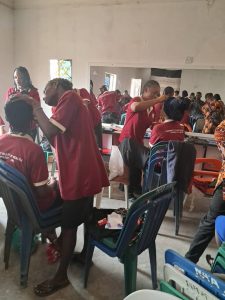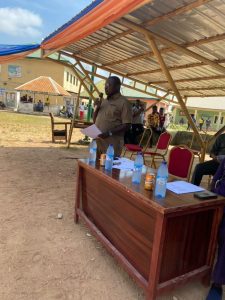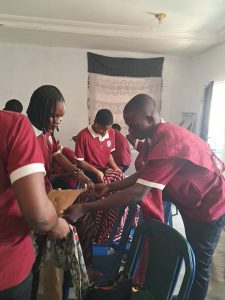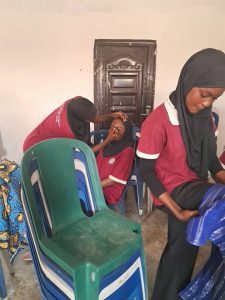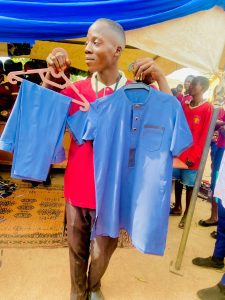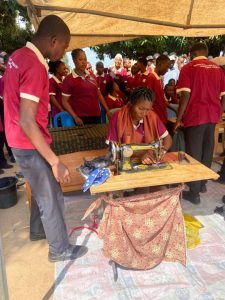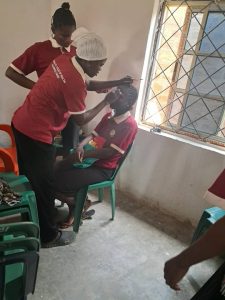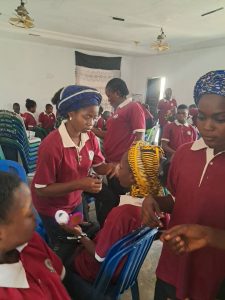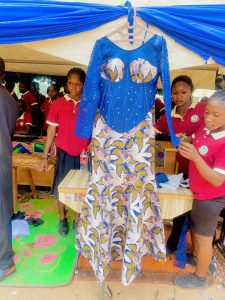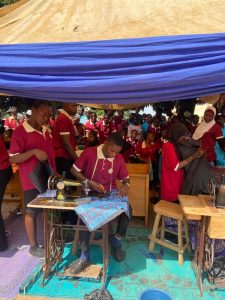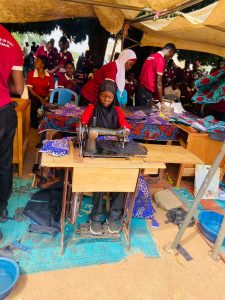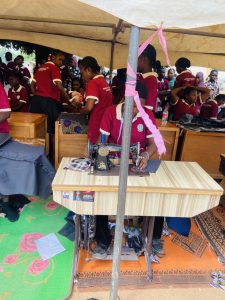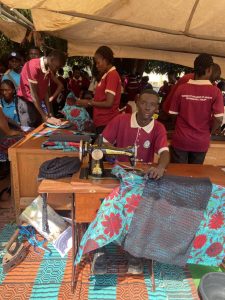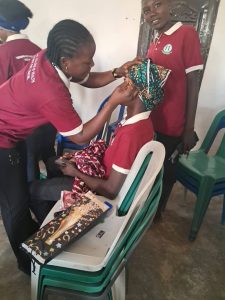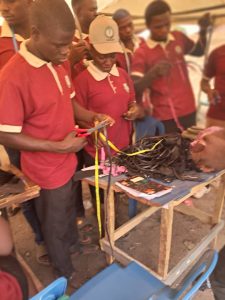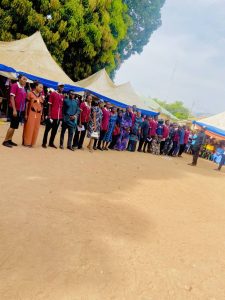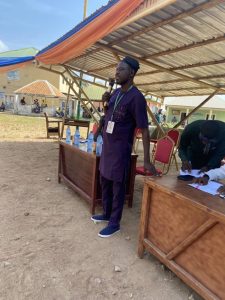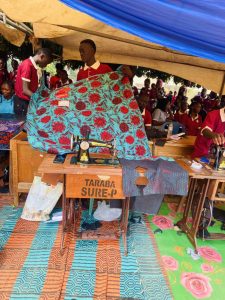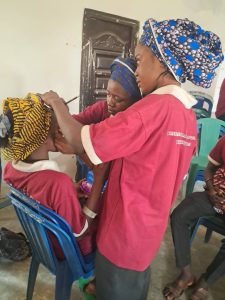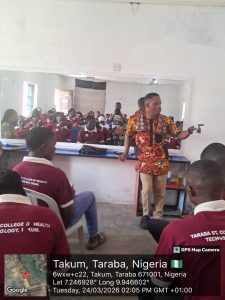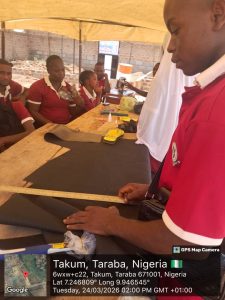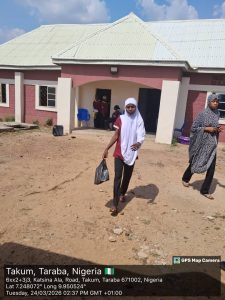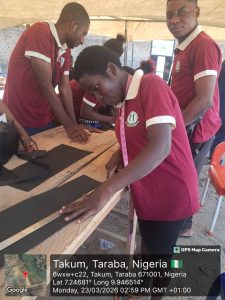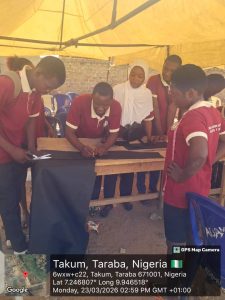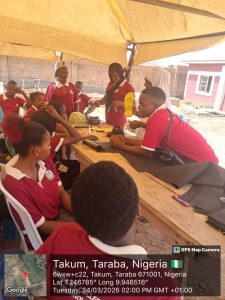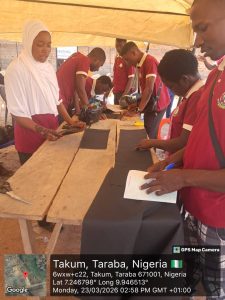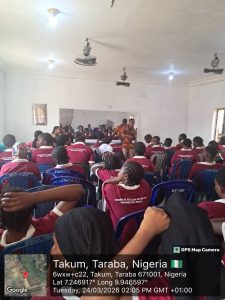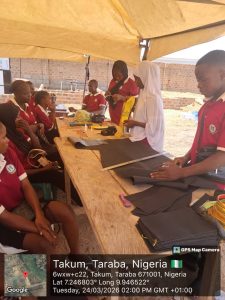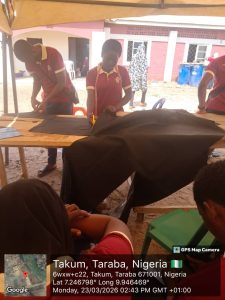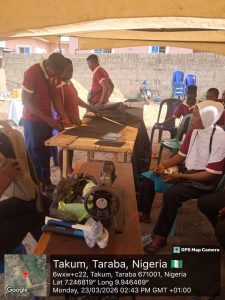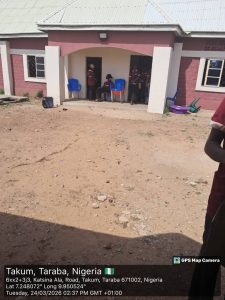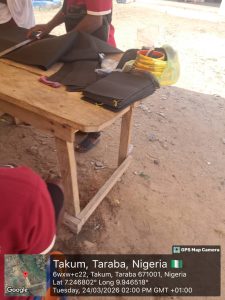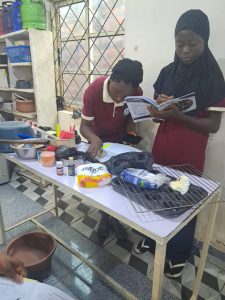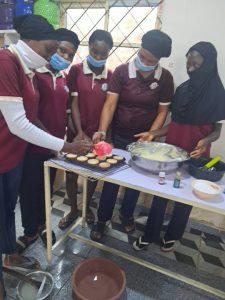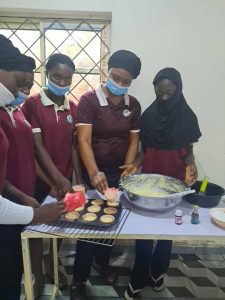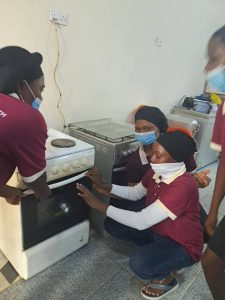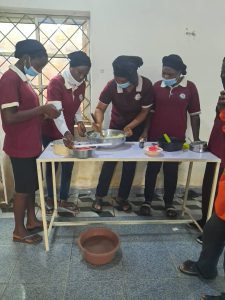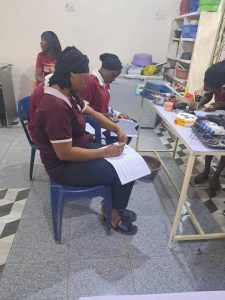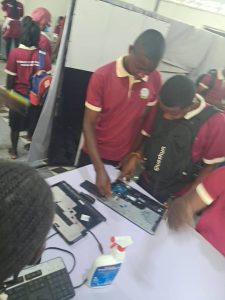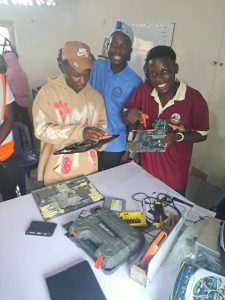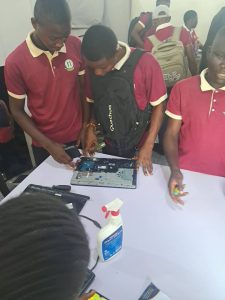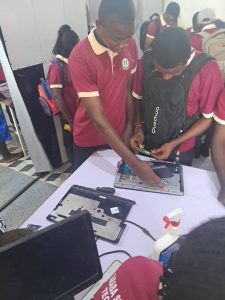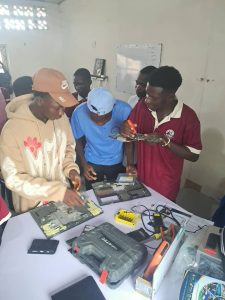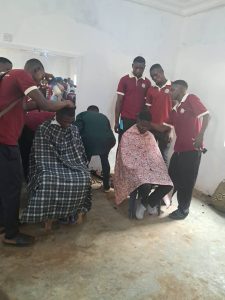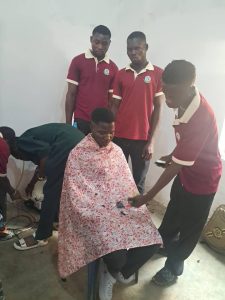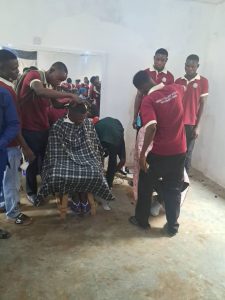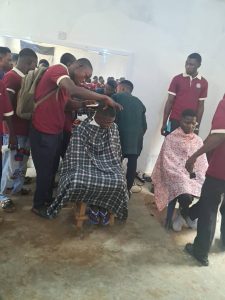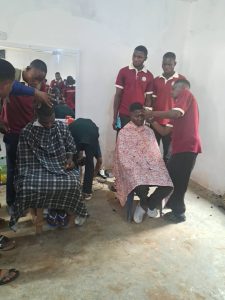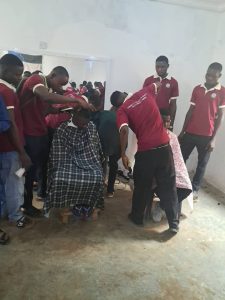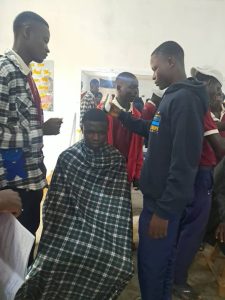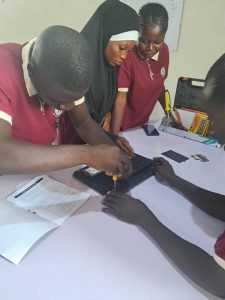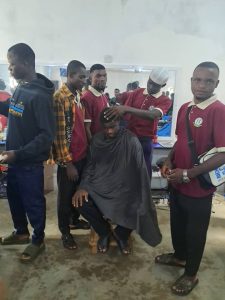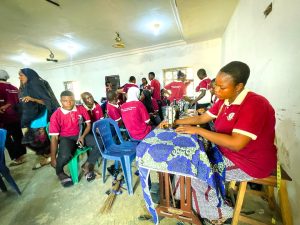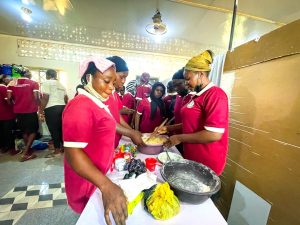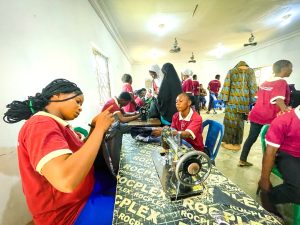








- College trains students in seven skill areas, including Fashion Design, Leather Works, Cosmetology, Catering, Photography & Cinematography, and Mobile Phone/GSM Repairs
- Management commends Governor Agbu Kefas for support as programme receives NBTE accreditation and approval
- Over 500 students already undergoing competency-based skills training
- Programme offers students pathway to dual academic and occupational qualifications
By Taraba News
The Taraba State College of Health Technology, Takum, is transforming the educational experience of its students through the implementation of the National Skills Qualification (NSQ) programme, equipping learners with practical, competency-based skills alongside their conventional academic education.
The programme is designed to prepare students not only for academic qualifications but also for employment, entrepreneurship and self-reliance by giving them opportunities to acquire practical skills that can be applied beyond the classroom.
The initiative is being implemented within the broader national Technical and Vocational Education and Training (TVET) transformation agenda, which places increasing emphasis on competency-based education and practical skills development.
The College has secured National Board for Technical Education (NBTE) accreditation to implement the NSQ programme in seven skill areas.
The accredited areas are:
1. Fashion Design
2. Leather Works
3. Cosmetology
4. Catering and Hospitality
5. Computer Hardware Repairs and Maintenance
6. Photography and Cinematography
7. Mobile Phone/GSM Repairs and Maintenance
The development represents a significant step in broadening the opportunities available to students of the College, allowing them to combine their health-related academic education with practical occupational skills.
GOVERNMENT SUPPORT
The College attributed the successful accreditation and implementation of the programme to strong financial and institutional support from the Taraba State Government under the leadership of Governor Dr. Agbu Kefas.
According to the College, government support covered critical areas required for accreditation and implementation, including facilities, equipment, personnel development and other resources.
The College management commended Governor Kefas for supporting an initiative it described as capable of strengthening skills acquisition, youth empowerment, employment creation and entrepreneurship among students.
The programme is being implemented through a Public-Private Partnership (PPP) arrangement, with a private partner providing practical skills training and operational support, while the College maintains institutional supervision and oversight.
The partnership brings together government investment, institutional leadership, regulatory standards and private-sector expertise in delivering practical skills education.
OVER 500 STUDENTS IN TRAINING
More than 500 students are already undergoing competency-based skills training across the seven accredited areas following the accreditation approval in 2025.
The students are being exposed to practical demonstrations, hands-on training, projects, assignments, continuous assessment and supervised participation.
The objective is to ensure that students graduate with competencies that can be applied to employment, entrepreneurship and other economic opportunities.
The programme therefore seeks to move beyond theoretical learning by ensuring that students can demonstrate practical abilities in their chosen skill areas.
SKILLS EXHIBITION AND SCHOLARSHIP
As part of efforts to encourage practical excellence, pioneering students participated in a skills exhibition in 2025, where they demonstrated their abilities in their respective areas of training.
The initiative also featured financial awards designed to motivate students and encourage commitment to skills acquisition.
The awards included ₦150,000 for first position, ₦50,000 for second position and ₦30,000 for third position, while other participants received ₦10,000 each.
The College said the exhibition provided students with an opportunity to demonstrate their practical abilities while promoting healthy competition and interest in vocational skills.
NINE ASSESSORS TRAINED
To strengthen the quality and credibility of the programme, nine instructors were sponsored for Quality Assurance Assessor (QAA) training and certification.
The training and certification were undertaken through the NBTE to enhance assessment, quality assurance and compliance with the requirements for competency-based skills training.
The College said the investment in personnel was necessary because effective NSQ implementation depends not only on training students but also on having qualified personnel capable of properly assessing their competencies.
FACILITIES AND EQUIPMENT
The Taraba State Government, working through the PPP arrangement, also supported the provision of training facilities, equipment and other practical resources required for the implementation of the programme.
The facilities and equipment formed part of the requirements inspected during the NBTE accreditation process before the College received accreditation across the seven skill areas.
The development demonstrates that the NSQ programme is supported by practical infrastructure and equipment intended to facilitate hands-on learning.
DUAL QUALIFICATION OPPORTUNITY
One of the key features of the programme is the opportunity for participating students to obtain both academic and occupational qualifications.
Upon successfully meeting the applicable academic requirements and passing the relevant NSQ certification examination, students are expected to graduate with their academic qualification in their respective health-related fields alongside a National Skills Qualification in their chosen practical skill.
This means students can leave the College with an additional occupational qualification that may provide another pathway into employment or entrepreneurship.
₦22,000 SEMESTER FEE
Under the current PPP arrangement, the private partner charges students ₦22,000 per semester for the NSQ practical skills component.
According to the College, the fee supports the operational delivery of the programme, including instructor remuneration and logistics, practical training planning and coordination, student grouping, practical demonstrations, training consumables and materials, attendance and logbook management, entrepreneurship assignments and materials, continuous practical assessment, internal quality assurance, instructor orientation, practical training reports and administrative coordination.
The fee also covers coordination with the College’s Entrepreneurship Development Centre and monitoring of student participation and completion.
ALIGNMENT WITH NATIONAL TVET AGENDA
The College said the NSQ programme should be understood within the wider national effort to strengthen technical and vocational education in Nigeria.
It noted that the NBTE regulatory framework places emphasis on practical skills and competency-based training as part of the country’s TVET transformation agenda.
The programme is therefore intended to ensure that students acquire practical competencies alongside academic knowledge.
IMPACT ON TARABA
The College believes the initiative has implications beyond the institution, particularly in the areas of human-capital development, employability, entrepreneurship and youth empowerment.
With students acquiring both academic knowledge and practical competencies, the programme is expected to provide additional opportunities for graduates to participate in the economy through employment and enterprise development.
The College said the initiative also reflects the importance of collaboration between government, educational institutions, regulatory bodies and the private sector in developing a skilled workforce.
Management expressed appreciation to Governor Agbu Kefas for the support provided towards the accreditation and implementation of the programme, while also acknowledging the role of the Provost, College management and the Entrepreneurship Development Centre in coordinating its implementation.
The College, however, stressed the importance of continued transparency, proper supervision, accountability and continuous improvement to ensure that the programme delivers its intended outcomes.
The National Skills Qualification initiative at the Taraba State College of Health Technology, Takum, therefore represents an effort to connect academic education with practical competence—giving students an opportunity to acquire skills that can potentially translate into employment, entrepreneurship and economic opportunity.
LEARNING MUST LEAD TO COMPETENCE.
COMPETENCE CAN CREATE OPPORTUNITY.
AND OPPORTUNITY CAN CHANGE LIVES.
Taraba News
Reporting issues that matter to Taraba and its people.