



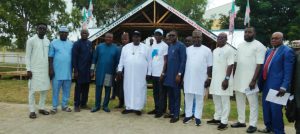
Taraba Moves to Boost Milk, Meat Production with Statewide Cattle Breeding Programme
The Taraba State Government has begun a statewide cattle genetic improvement programme aimed at increasing milk and meat production, raising livestock farmers’ incomes and gradually transforming cattle production from subsistence farming into a more commercially productive industry.
The initiative, which involves the mass artificial insemination of cattle, is being implemented through the Livestock Productivity and Resilience Support Project (L-PRES) in partnership with Livestock Genetic Africa.
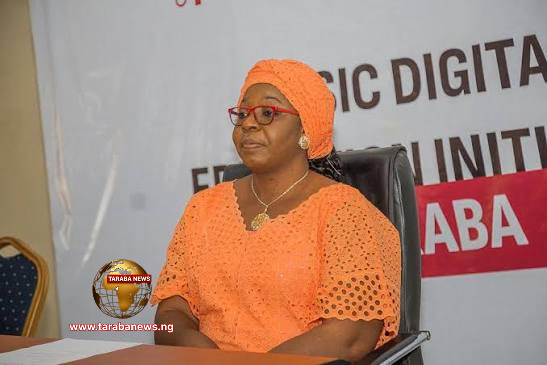
Chairman of the Taraba State Livestock Development Commission (TALDEC), Dr. Dauda Abubakar M., said during the rollout in Jalingo that the programme would provide pastoralists and livestock farmers with access to improved breeding technology capable of enhancing the quality and productivity of their herds.
He encouraged livestock owners across the state to take advantage of the intervention by presenting eligible cattle for insemination at designated locations.
According to Abubakar, improving cattle genetics could significantly increase meat and milk output while creating better economic opportunities for livestock-producing communities.
The State Project Coordinator of Taraba L-PRES, Mr. Hananiah G. Albert, said the programme was designed to address one of the major limitations confronting traditional livestock production — farmers’ limited access to high-quality breeding animals.
Under the programme, smallholder pastoralists will have access to genetics from selected high-quality bulls through artificial insemination without bearing the considerable expense associated with purchasing and maintaining breeding bulls.
Albert explained that the selection of appropriate semen is expected over time to improve important characteristics in cattle, including milk yield, growth rate, fertility, adaptability, disease tolerance and general productivity.
The government expects improved cattle productivity to translate into increased earnings for farmers while expanding the supply of locally produced milk and meat.
The intervention could also contribute to Taraba’s broader food-security and agricultural development objectives, particularly given the importance of livestock production to rural livelihoods across several parts of the state.
Rather than concentrating the exercise in Jalingo, the programme is expected to operate through designated livestock clusters across Taraba, allowing pastoral and livestock-producing communities in different parts of the state to participate.
Albert urged herders and other cattle owners to make their animals available according to schedules established for their respective clusters and to comply with veterinary requirements throughout the exercise.
The success of the programme will, however, depend considerably on the participation of livestock owners, effective veterinary support and the ability of implementing agencies to sustain the breeding intervention long enough for improvements in herd genetics and productivity to become measurable.
If successfully implemented on a large scale, the programme could mark an important shift in Taraba’s livestock development strategy from simply increasing cattle numbers to improving the productivity and commercial value of individual animals.