
UMCN BISHOP RACE: ANDE DENIES ANOINTING SUCCESSOR AHEAD OF NOVEMBER ELECTION
Says eligible elders can be elected as attention turns to delegates in contest for new Episcopal Area
By Taraba News | Jalingo
As the United Methodist Church in Nigeria prepares for the election of a Bishop for its newly created Episcopal Area, Bishop Ande Emmanuel has dismissed suggestions that he has anointed or endorsed any candidate to succeed him.
Bishop Emmanuel said the choice of the next Bishop would be determined through the established electoral process of the United Methodist Church and not through the personal preference of an incumbent Bishop.
His clarification comes amid growing interest in the November election and speculation within church circles over senior clergy who may emerge as contenders for the episcopal position.
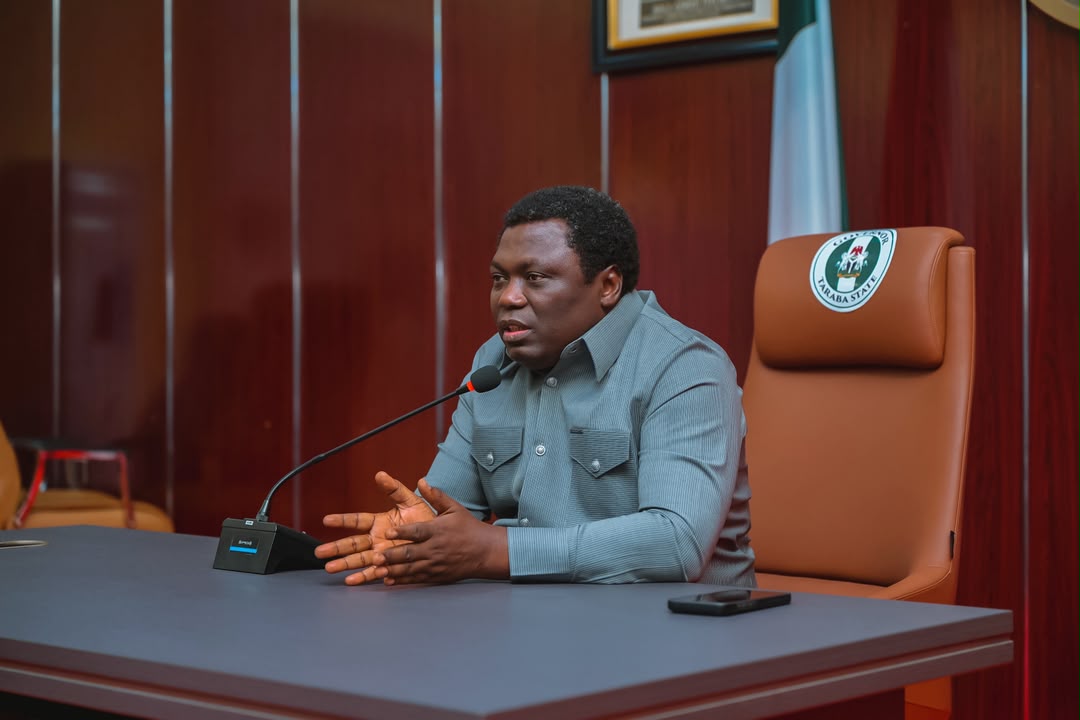
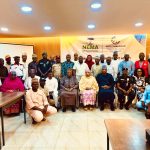
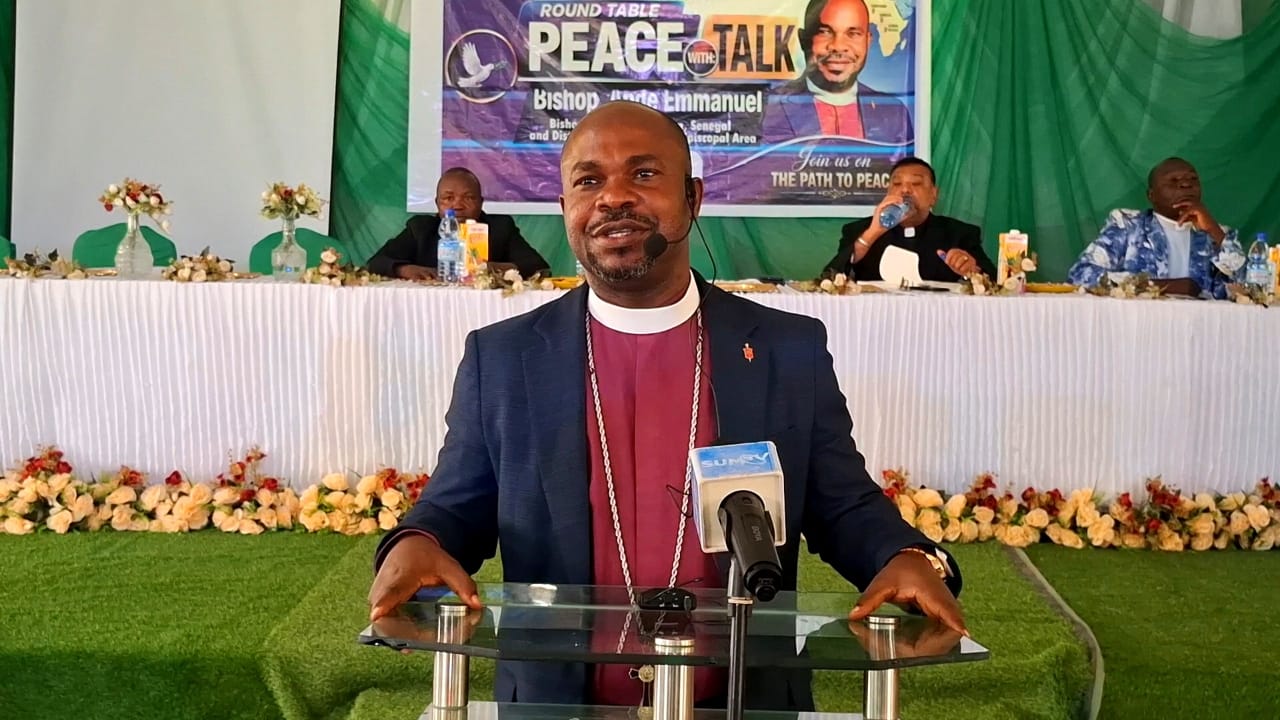
Speaking to journalists at the closing session of a five-day Peace Talk in Jalingo, Taraba State, Emmanuel maintained that every qualified elder in full connection and good standing is eligible for consideration.
According to him, the United Methodist Church has an established process for electing Bishops, and the ultimate decision rests with delegates.
“No, the United Methodist Church has a process of electing a Bishop. Every elder that is full connection and in good standing can be elected and consecrated as a Bishop, and there is no exemption,” he said.
He added that whoever receives the support of the delegates through the recognised process would become Bishop.
The statement effectively distances Emmanuel from reports and speculation suggesting that an aspirant may already have received his blessing to take the episcopal seat.
Attention Turns to Possible Contenders
Despite the Bishop’s clarification, interest in potential contenders has continued to grow ahead of the November exercise.
Three senior clergy have featured prominently in reports and discussions surrounding the expected contest.
They are Rev. Dr. Philip Micah Dopah, Dean of Cabinet Affairs and Director of Connectional Ministries of the Southern Conference; Rev. Dr. Eunice Iliya, Administrative Secretary to the Bishop; and Rev. Abainatus Akila Hamman Jnr.
However, their names being mentioned in connection with the election should not be interpreted as confirmation that all three have formally declared their candidacies or received official clearance to contest.
Bishop Emmanuel’s explanation suggests that eligibility and the decision of delegates, rather than perceived closeness to the current leadership, will be central to the emergence of the next Bishop.
Why November Election Matters
The election comes at an important period for the United Methodist Church in Nigeria following the creation of an additional Episcopal Area.
The new structure is expected to redistribute episcopal responsibilities and strengthen the administration of the denomination.
Bishop Emmanuel currently provides episcopal leadership to the Nigeria Episcopal Area, while his responsibilities also extend to church districts in Cameroon, Senegal and Guinea-Bissau.
The emergence of another Bishop is therefore expected to have implications beyond the identity of the eventual winner, particularly for the administration and future direction of the church.
It also comes after a turbulent period for Methodism in Nigeria, characterised by disagreements, leadership disputes and the emergence of the Global Methodist Church structure involving former UMC members and congregations.
Against this background, the election could become an important test of the UMCN’s efforts to consolidate its structures and strengthen unity among its clergy and members.
Delegates Hold the Key
Bishop Emmanuel’s declaration that he has no anointed candidate places greater focus on the delegates who will participate in the election.
As November approaches, consultations and lobbying are expected to intensify among clergy and other stakeholders.
Beyond popularity, whoever emerges will face the challenge of providing spiritual and administrative leadership at a time when reconciliation, institutional stability and rebuilding confidence within the church remain significant issues.
The new Bishop will also be expected to strengthen relationships across conferences and districts, oversee connectional ministries and provide leadership capable of bringing different interests within the new Episcopal Area together.
For the prospective contenders, therefore, the race could ultimately come down to their standing within the church, pastoral and administrative experience, relationships and ability to secure the confidence of delegates.
For now, however, Bishop Emmanuel insists there is no anointed candidate.
His position leaves the November election open and shifts the spotlight from speculation about his preferred successor to the delegates who will ultimately determine who occupies the new episcopal seat.
As consultations gather momentum, the question is no longer who Bishop Ande Emmanuel wants as the next Bishop, but who the delegates will choose when they assemble in November.