







Namnai Bridge Crisis: Motorists Pay Up to N20,000 to Cross Two Years After Collapse
By: Staff Reporter
August 17, 2026
More than two years after the Namnai Bridge in Taraba State collapsed, motorists and communities along the route continue to face serious transportation challenges, with some heavy-duty vehicle operators reportedly paying as much as N20,000 to cross the river.
The bridge, which collapsed in August 2024, remains a vital transportation link for residents, farmers, traders and commercial operators moving people and goods along the route.
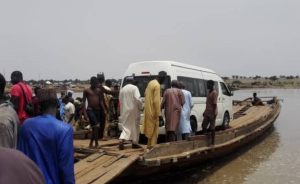
With the bridge still unusable, canoe operators have become an important part of the alternative transportation arrangement, ferrying passengers and vehicles across the river.
Small vehicle owners reportedly pay between N3,000 and N5,000 per crossing, while heavy-duty trucks can attract charges of up to N20,000.
For motorists already dealing with high fuel prices, vehicle maintenance expenses and other rising operational costs, the additional payment has become a major burden.
Truck Operators Count the Cost
Heavy-duty vehicle operators say the prolonged disruption is affecting both their businesses and the movement of goods into and out of Taraba State.
A truck driver, Abdul Sarti, said paying up to N20,000 each time a truck crosses the river was becoming increasingly difficult to absorb.
He said the cost comes on top of fuel, maintenance and other expenses associated with long-distance transportation.
According to him, the continued absence of a functional bridge has also made the movement of goods more difficult.
Sarti appealed to the relevant authorities to accelerate efforts to restore the bridge, saying previous assurances had not resulted in visible construction activity at the site.
Small Vehicle Owners Also Affected
Owners of smaller vehicles are equally concerned about the financial implications of the alternative crossing.
A motorist, Chike Orum, said paying thousands of naira simply to get a vehicle across the river was putting additional pressure on road users.
He urged the authorities responsible for the project to fulfil their commitments and provide a permanent solution.
Orum also questioned the pace of intervention on the Namnai Bridge compared with reports of work on some collapsed bridges in neighbouring Adamawa, Gombe, Bauchi and Borno states.
Ripple Effect on Farmers and Traders
The impact of the collapsed bridge extends beyond the motorists who pay the crossing charges.
The route serves communities involved in agriculture and trade, with farm produce and other commodities regularly transported through the corridor.
Higher transportation costs can affect the entire supply chain. Transporters may increase their charges to cover the river crossing, while traders could ultimately pass the additional cost to consumers.
For farmers, the disruption can make it more expensive to move produce to markets and potentially reduce the returns from agricultural activities.
Canoes Replace a Major Bridge
The river crossing has created an alternative transport system in which canoe operators ferry vehicles, passengers and goods across the water.
Although the arrangement has kept traffic moving, residents say it was never intended to become a permanent substitute for a major bridge.
The continued dependence on the crossing has become a symbol of the prolonged infrastructure challenge facing communities along the route.
Calls for Project Transparency
Residents are also seeking information about the reported reconstruction of the bridge.
They want the relevant authorities to provide an update on the project’s status, the contractor reportedly engaged and when actual construction work is expected to begin.
For communities that have endured the disruption since August 2024, the absence of visible progress has increased frustration.
They argue that the bridge is essential not only for transportation but also for economic activity, access to markets and the movement of agricultural produce.
Two Years and Counting
The Namnai Bridge collapse has therefore evolved from an infrastructure emergency into a sustained economic burden.
With smaller vehicles reportedly paying up to N5,000 and heavy-duty trucks as much as N20,000 to cross the river, the financial cost of the delay continues to accumulate.
Residents, motorists, traders and transport operators are now calling for a permanent solution rather than continued dependence on the improvised crossing.
For the affected communities, the demand is simple: reconstruct the bridge, restore the road link and end the costly river crossing.