

Antalya, Türkiye | November 2026
Nigeria’s participation at the 31st United Nations Climate Change Conference (COP31) in Antalya, Türkiye, has reinforced the country’s commitment to translating climate ambitions into concrete investments, economic opportunities and measurable development outcomes.
For Taraba State, the conference provided an important platform to showcase its natural wealth, climate ambitions and emerging investment opportunities, with the State’s presentation as “Nigeria’s Green Gold – Invest in Nature, Invest in the Future” emerging as a major highlight of its participation.
NIGERIA’S POSITION: FROM CLIMATE COMMITMENTS TO INVESTMENT AND IMPLEMENTATION
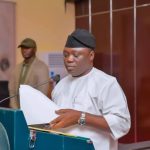
Nigeria reaffirmed its commitment to climate action as a driver of national development through its National Statement delivered on 17 November 2026 by the Honourable Minister of Environment, Mallam Balarabe Abbas Lawal, on behalf of President Bola Ahmed Tinubu.
The statement highlighted Nigeria’s priorities in renewable energy, food security, climate-resilient agriculture, industrialisation, job creation and sustainable economic development. It reaffirmed the country’s commitment to a just and inclusive energy transition, recognising the complementary role of renewable energy and natural gas in addressing national energy needs.
Nigeria also showcased its efforts to mobilise climate finance, strengthen the national carbon-market framework and advance opportunities under Article 6 of the Paris Agreement. Among the initiatives highlighted was the commercial launch of a US$300 million Distributed Renewable Energy Fund. Nigeria further called for increased, accessible and affordable international climate finance, including concessional financing and meaningful support for developing countries.A central message of Nigeria’s position was the need to move beyond climate pledges towards practical implementation, investment mobilisation and measurable benefits for communities.
NATIONAL ADAPTATION PLAN: A MAJOR MILESTONE FOR NIGERIA
One of Nigeria’s significant achievements at COP31 was the formal launch of its National Adaptation Plan (NAP) on Friday, 13 November 2026, in Antalya, Türkiye.
Unveiled by the Honourable Minister of Environment,Mallam Balarabe Abbas Lawal, at a side event held at the Climate Mobility Pavilion, the plan represents an important step towards strengthening Nigeria’s capacity to anticipate, manage and respond to climate risks.
Developed through collaboration involving the Federal Ministry of Environment, the NAP Global Network and the Global Centre for Climate Mobility, with earlier technical support from UNEP and the Green Climate Fund, the framework prioritises climate resilience across critical sectors, including agriculture, forestry, water resources, infrastructure and health.
Another notable development was the signing of a US$33 million climate-smart greenhouse partnership involving the Special Agro-Industrial Processing Zones (SAPZ), the Bank of Agriculture and Direkci Group. The initiative, led by the Honourable Minister of Agriculture and Food Security, Senator Abubakar Kyari, alongside the Honourable Minister of State for Foreign Affairs, Ambassador Sola Enikanolaiye, further demonstrated Nigeria’s drive to attract investment into climate-smart agriculture and sustainable food production.
Together, these developments underscored Nigeria’s growing emphasis on climate finance, agricultural resilience,and investment-led climate action.
TARABA STATE TAKES CENTRE STAGE AS NIGERIA’S GREEN GOLD
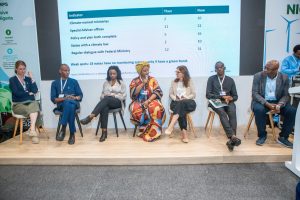
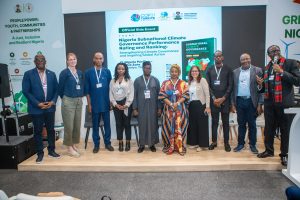
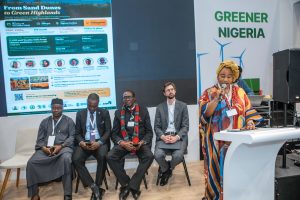
For Taraba State, one of the major highlights of COP31 was its participation in a joint side event organised alongside Yobe State, titled “From Sand Dunes to Green Highlands: Yobe and Taraba Unveil Their Green Opportunity Indices.”
Held on Monday, 16 November 2026, at the Nigeria Pavilion, the event brought together government representatives, development partners, climate finance institutions and carbon-market stakeholders to explore investment opportunities at the subnational level.
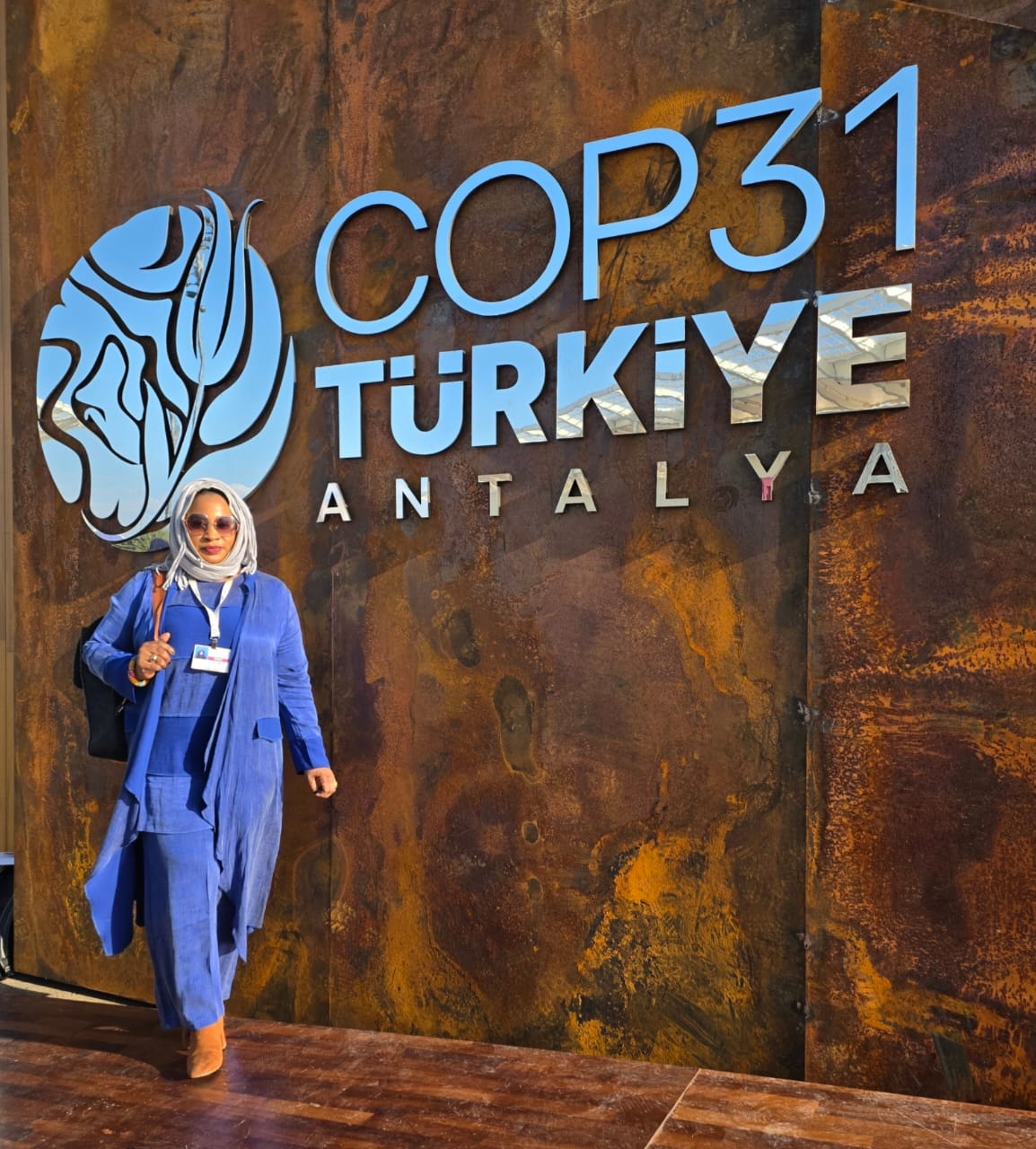
The Honourable Commissioner of Environment and Climate Change, Taraba State, Hon. Aishat A. Barde, was among the distinguished speakers at the event, where she presented Taraba State as “Nigeria’s Green Gold – Invest in Nature, Invest in the Future.”
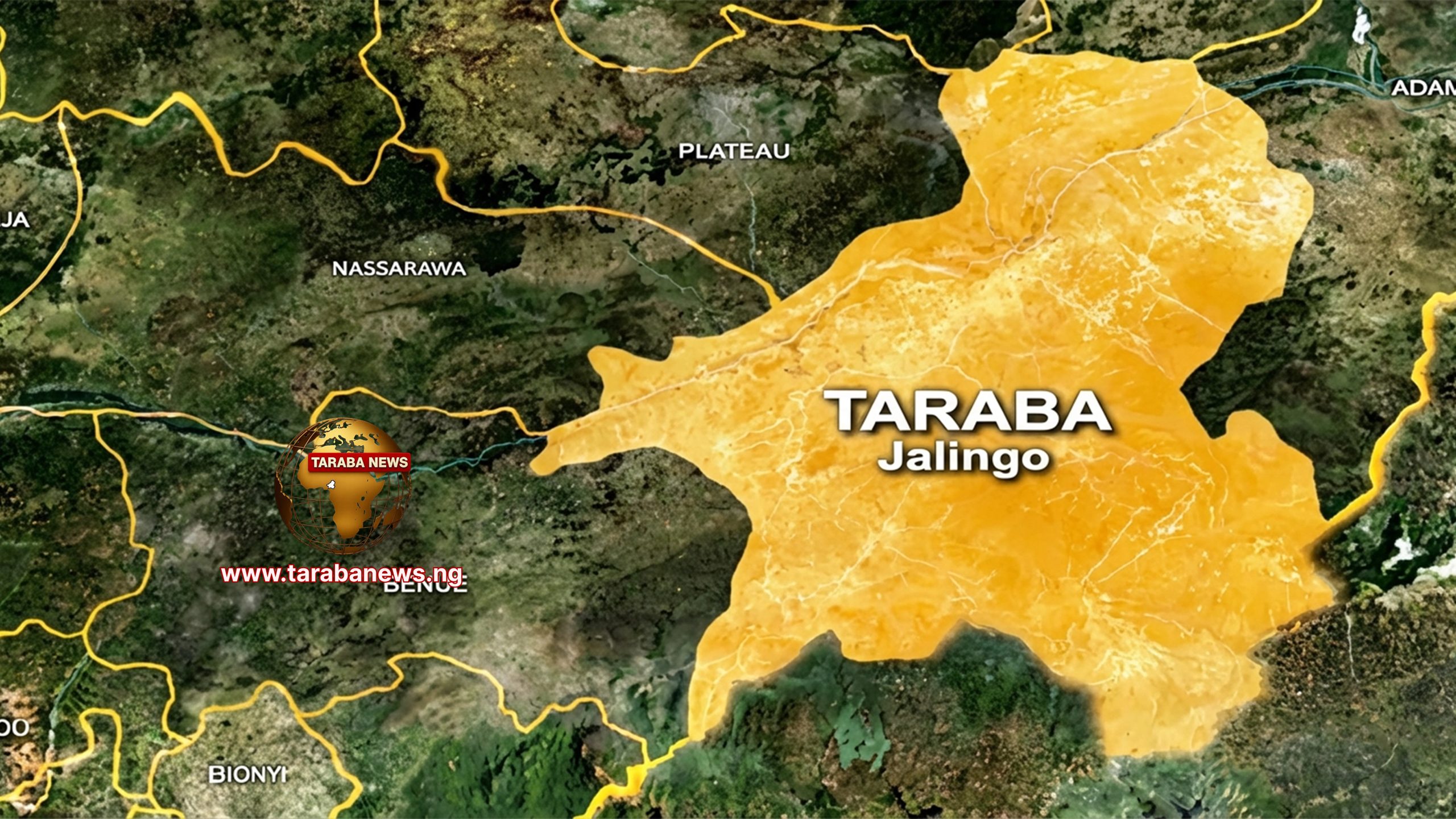
In a compelling investment pitch, Hon. Barde described Taraba as Nigeria’s Green Heart and Nature’s Gift to the Nation, drawing attention to its exceptional natural endowments and enormous potential for sustainable economic development.Covering approximately 54,473 square kilometres, with an estimated population of 3.6 million people, Taraba State is endowed with remarkable natural assets, including the Mambilla Plateau, extensive forest resources, solid minerals, rich biodiversity, fertile agricultural lands and Gashaka-Gumti National Park, Nigeria’s largest national park.
The Commissioner emphasised that these resources are not merely environmental treasures but valuable economic assets capable of attracting investment, creating employment, improving community livelihoods and contributing to global climate action.
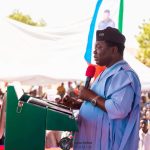
She reaffirmed the commitment of the administration of His Excellency, Dr. Agbu Kefas, the Governor of Taraba State, to environmental protection, sustainable development and the transition towards a green economy.
She further noted that the State’s approved Climate Change Policy and Action Plan (TSCCPAP 2026) provides an important policy foundation for attracting international climate finance, private-sector investment, technical assistance and strategic development partnerships.
FIVE PRIORITY INVESTMENT OPPORTUNITIES
A major focus of the presentation was Taraba’s readiness to engage investors and development partners across five priority areas:
1)Forest Conservation, Restoration and Carbon Finance: Opportunities in forest conservation, REDD+, high-integrity carbon-credit development, reforestation and landscape restoration.
2)Eco-Tourism and Biodiversity Conservation: Investment in eco-tourism infrastructure, eco-lodges, wildlife conservation and sustainable management of protected landscapes, particularly the Mambilla Plateau and Gashaka-Gumti National Park.
3)Sustainable Agroforestry and Climate-Smart Agriculture: Opportunities in commercial tree plantations, climate-smart agriculture, modern nurseries and sustainable forest-based enterprises.
4)Circular Economy and Sustainable Waste Management: Investment in waste-to-energy, recycling, resource recovery and other sustainable waste-management solutions.
5)Renewable Energy and Green Technology: Opportunities in solar energy,hydro energy, distributed renewable energy, energy efficiency and technology transfer.
AN AMBITIOUS LONG-TERM CLIMATE VISION
Beyond investment opportunities, Hon. Barde presented Taraba’s long-term climate ambitions, including a zero-deforestation future, stronger community participation in forest management, a 90 per cent renewable energy target by 2060, 30 per cent women’s leadership by 2030, a 30 per cent reduction in greenhouse gas emissions from the transport sector,50% Mass transportation and the full adoption of circular economy initiatives by 2060.
She also highlighted the projected impact of implementing the State’s climate action plans, explaining that under a business-as-usual scenario, Taraba’s emissions could reach 30.7 million tonnes by 2060. However, through the implementation of its climate commitments and strategic partnerships, the State aims to reduce projected emissions to 1.9 million tonnes.
This projection reinforces the importance of mobilising the necessary finance, technology and institutional support to translate the State’s climate ambitions into measurable outcomes.
A STRONG INVITATION TO GLOBAL INVESTORS
In her closing remarks, the Commissioner invited international investors, climate finance institutions, carbon-market operators and development partners to explore the investment opportunities available in Taraba State.
She emphasised that the State possesses the natural resources, landscapes, human capital, investment opportunities and executive political commitment required to establish meaningful and mutually beneficial partnerships.
Her message was clear: climate action must move beyond conversations and commitments to practical investments that protect nature, create prosperity and deliver measurable climate impact.
She concluded with a strong appeal:
“Come and invest Nature. Invest in Taraba. Invest in Nigeria and invest in the one and only planet.”