


TARABA AG MAIKASUWA VISITS JALINGO PRISON, DONATES 100 MATTRESSES, ORDERS REVIEW OF INMATES’ CASES
- Donates 100 mattresses and 10 bags of rice on behalf of Governor Agbu Kefas
- Meets female inmates one-on-one, directs review of their cases
- Orders compilation of deserving inmates for Prerogative of Mercy
- Directs decongestion committee to act immediately on prolonged and stalled cases
- Correctional Service seeks operational vehicles, speedy justice and greater use of non-custodial measures
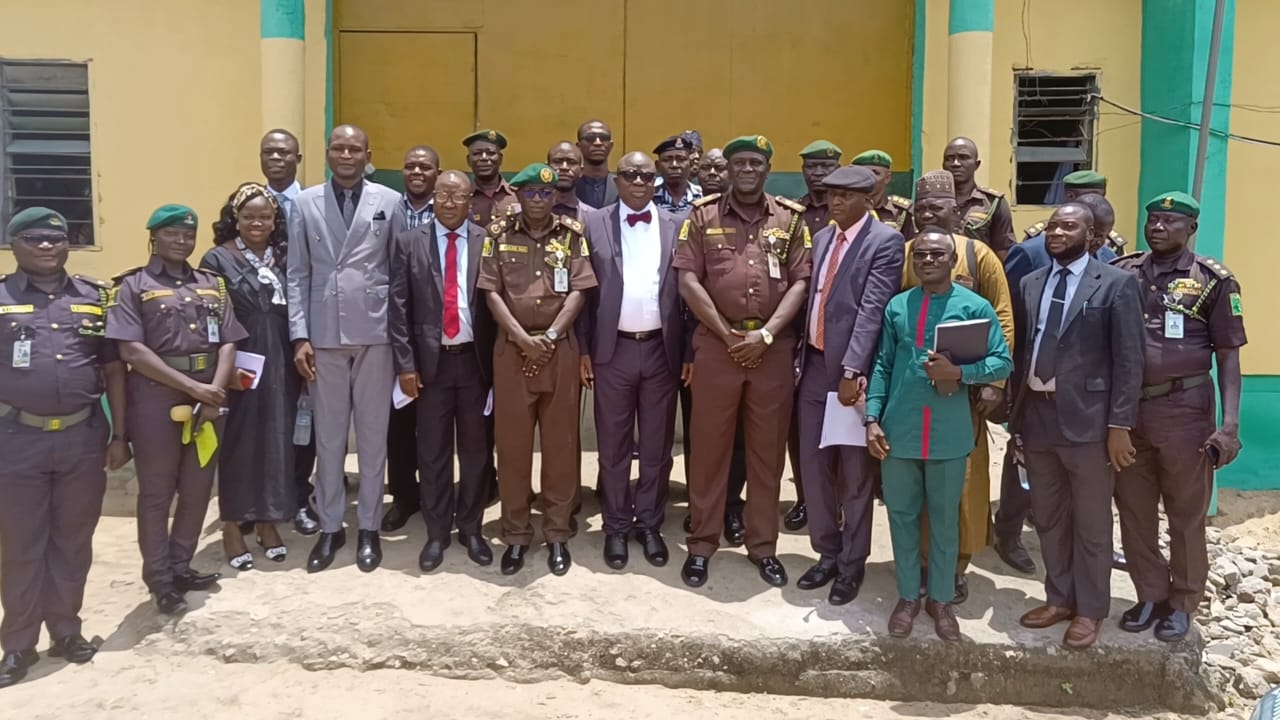
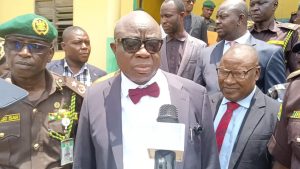
The Taraba State Attorney-General and Commissioner for Justice, Barr. Yakubu Maikasuwa, SAN, on Friday, September 11, 2026, visited the Medium Security Custodial Centre, Jalingo, as the state government intensified efforts to address congestion, prolonged detention and the welfare of inmates at the facility.
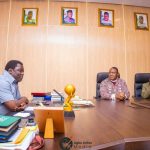
During the visit, Maikasuwa toured the custodial centre, moved around the inmates’ accommodation areas and interacted directly with inmates to gain first-hand knowledge of their conditions and the circumstances surrounding some of their cases.
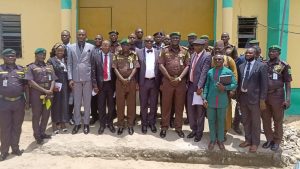
In an immediate intervention to improve conditions at the facility, the Attorney-General announced the donation of 100 mattresses and 10 bags of rice on behalf of Governor Agbu Kefas.
The mattresses are expected to provide immediate relief to inmates affected by inadequate sleeping facilities, while the rice is intended to support feeding at the centre.
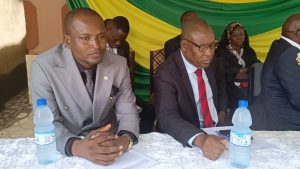
The visit followed growing concerns over congestion at the Jalingo Correctional Centre and cases of inmates who have remained in custody for prolonged periods because of delays in investigation, prosecution, court proceedings and other challenges within the criminal justice system.
Maikasuwa was accompanied by the Solicitor-General and Permanent Secretary, Taraba State Ministry of Justice; Director of Public Prosecutions; Chairman of the Nigerian Bar Association, Jalingo Branch, alongside other executive members of the Bar; representatives of the International Federation of Women Lawyers, FIDA; Legal Aid Council, and other stakeholders in the administration of criminal justice.
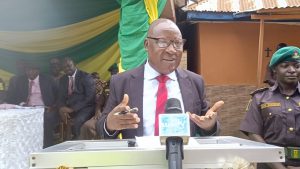
AG ORDERS IMMEDIATE ACTION ON CONGESTION
During the visit, the Attorney-General charged the multi-agency Prison Decongestion Committee constituted by his office to quickly develop practical measures that could immediately reduce the number of inmates at the facility.
The committee is expected to review different categories of cases, particularly those involving inmates who have remained in detention for extended periods without meaningful progress in their trials.

It will also examine cases where inmates require legal intervention, those who may have been convicted with an option of fine but remain in custody because they cannot afford the payment, and other cases where lawful intervention could facilitate release.
Maikasuwa made it clear that attention should be paid to cases that have remained stalled, with a view to identifying the factors responsible and determining what intervention could be made by the Ministry of Justice, courts, Legal Aid Council and other relevant institutions.
The Correctional Service had similarly identified delays in investigation, prosecution and court proceedings as factors contributing to congestion, stressing that such delays place pressure on custodial facilities, personnel, healthcare, feeding and other resources.
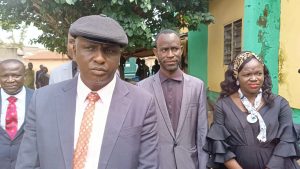
MAIKASUWA MEETS FEMALE INMATES ONE-ON-ONE
A major aspect of the Attorney-General’s visit was his interaction with the female inmates at the facility.
Maikasuwa met them individually and listened to their cases and circumstances.
Following the interaction, he directed that their cases should be reviewed to determine those requiring urgent legal or administrative intervention and what could lawfully be done to address their situations.
The Attorney-General showed particular concern over the circumstances of some of the female inmates and assured them that the government would examine deserving cases.
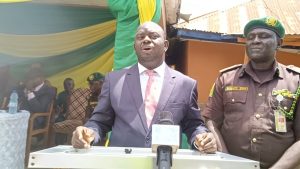
He told the inmates that Governor Agbu Kefas is compassionate, assuring them that he would take the report of his assessment and observations at the correctional centre back to the Governor.
Maikasuwa expressed confidence that appropriate attention would be given to deserving cases after the necessary legal reviews.
He nevertheless urged the inmates to remain of good behaviour, stressing that the essence of correction should go beyond punishment to encourage repentance, reformation and eventual reintegration into society.
GOOD-CONDUCT INMATES FOR POSSIBLE MERCY
The Attorney-General also directed that a list of inmates who have demonstrated good conduct and evidence of reformation should be compiled for possible consideration under the state’s Prerogative of Mercy process.
The directive followed an appeal by the Correctional Service for deserving inmates to be considered for the Prerogative of Mercy in accordance with the Constitution and other relevant laws.
In his address, the Controller of Corrections, Taraba State Command, John Francis, specifically appealed for favourable consideration of inmates who have demonstrated genuine remorse, undergone positive behavioural transformation, acquired skills or education and shown evidence of rehabilitation and readiness for reintegration into society.
The Controller stressed that imprisonment should not merely serve the purpose of punishment but should ultimately promote reformation, rehabilitation and successful reintegration.
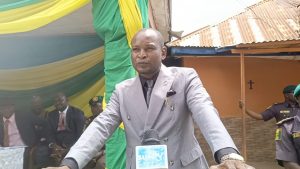
CONTROLLER RAISES CONCERN OVER CONGESTION
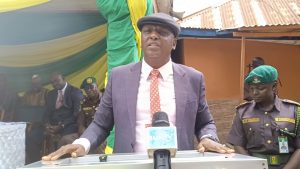
Earlier, while welcoming the Attorney-General and his entourage, Controller John Francis described the visit as significant to the administration of criminal justice, protection of human rights and welfare of persons in lawful custody.
He noted that effective criminal justice administration requires collaboration among the Judiciary, Ministry of Justice, Police, other law-enforcement agencies and the Nigerian Correctional Service.
The Controller identified congestion as one of the pressing challenges facing custodial centres, pointing to the considerable periods some persons spend in detention because of delays in investigation, prosecution and court proceedings.
He consequently called for regular review of cases, speedy prosecution and effective implementation of the Nigerian Correctional Service Act 2019 and the Administration of Criminal Justice Law of Taraba State.
He also advocated increased use of non-custodial measures and plea bargaining where appropriate, saying these could reduce unnecessary delays and prevent custodial facilities from becoming overstretched.
CORRECTIONAL SERVICE SEEKS OPERATIONAL VEHICLES
The Controller also used the visit to draw the attention of the state government to another challenge confronting the Correctional Service — inadequate logistics and operational vehicles for transporting inmates to and from courts.
He explained that officers are required to convey inmates to different courts for arraignments, trials, hearings, judgments and other judicial proceedings.
According to him, inadequate operational vehicles could create difficulties in producing inmates before the courts as scheduled and consequently affect the timely administration of justice.
He appealed to the Taraba State Government, through the Attorney-General, to consider providing operational vehicles and other logistical support to facilitate the safe and timely transportation of inmates to courts.
VISIT FOLLOWS TARABA NEWS ADVOCACY
The Attorney-General’s visit comes amid sustained advocacy by Taraba News over congestion and prolonged detention at the Jalingo Correctional Centre.
TSEMA, NIMC PARTNER TO STRENGTHEN DISASTER RESPONSE THROUGH VERIFIED IDENTITY
Taraba News had raised the alarm that the facility, designed to accommodate about 250 inmates, was holding more than 500, resulting in more than 250 inmates reportedly sleeping on mats on the floor.
The newspaper also drew public attention to the large number of awaiting-trial inmates and cases of persons who have spent several years in custody without the conclusion of their trials.
It called for collaboration among the Ministry of Justice, Judiciary, Correctional Service, Police, NBA, Legal Aid Council and other stakeholders to identify and resolve cases in which people may be spending unnecessary years behind bars because of avoidable delays.
Friday’s visit therefore represents a significant progression from identifying the problem to taking concrete steps to address it.
Beyond the immediate humanitarian intervention of 100 mattresses and 10 bags of rice, attention will now be on the work of the decongestion committee, the review of prolonged and stalled cases, and the number of deserving inmates who could ultimately benefit from legal intervention or the Prerogative of Mercy.
The Correctional Service expressed hope that the visit would deepen collaboration with the state government in the areas of criminal justice administration, decongestion, access to justice, inmates’ welfare, rehabilitation and implementation of non-custodial measures.
For the inmates of the Jalingo Correctional Centre, the Attorney-General’s visit has brought not only immediate relief in sleeping and feeding support, but also renewed hope that cases that have remained unresolved for years may finally receive the attention they require.